
Photography News
Photography Magazine Covers: What Makes an Image Iconic
The covers you remember share a few working traits — and none of them is luck.
The news file for analog photography: emulsions discontinued or reissued, price changes, lab openings and closures, camera manufacturers restarting production, and supply problems affecting chemistry. Short, dated entries with sourcing. For shooters who need to know before a favorite stock disappears from shelves.
The news file for analog photography: emulsions discontinued or reissued, price changes, lab openings and closures, camera manufacturers restarting production, and supply problems affecting chemistry. Short, dated entries with sourcing. For shooters who need to know before a favorite stock disappears from shelves.
The covers you remember share a few working traits — and none of them is luck.
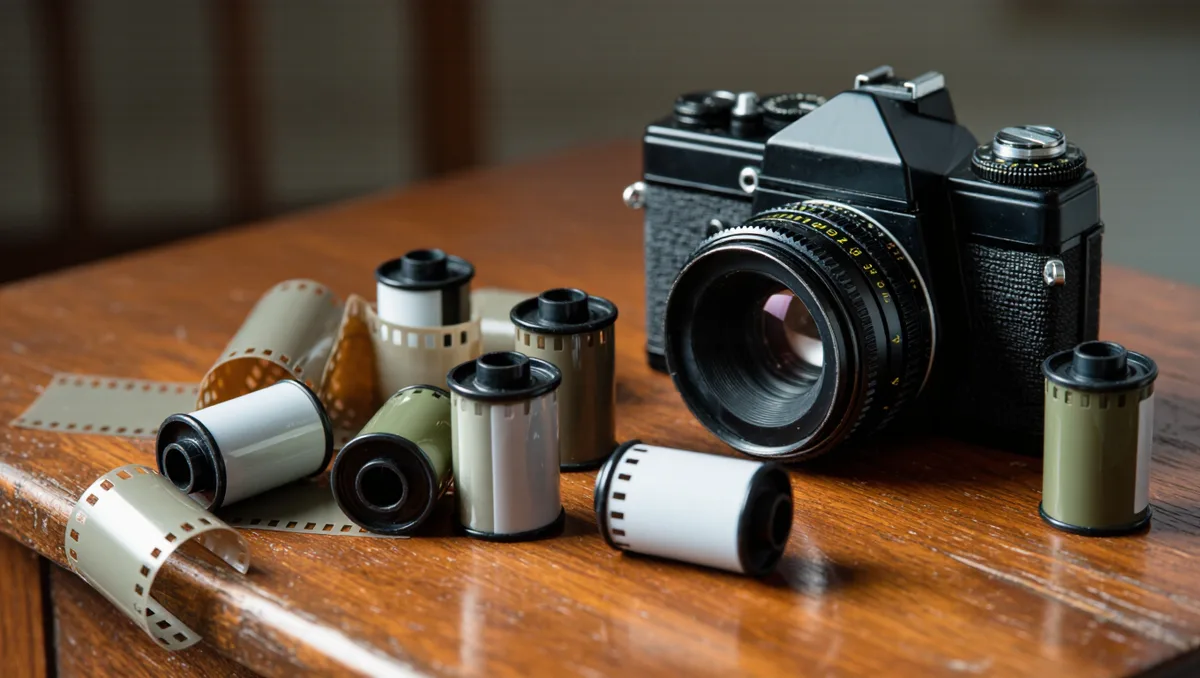
What an editorial shoot on medium format actually looks like, hour by hour, when the camera takes one roll at a time.
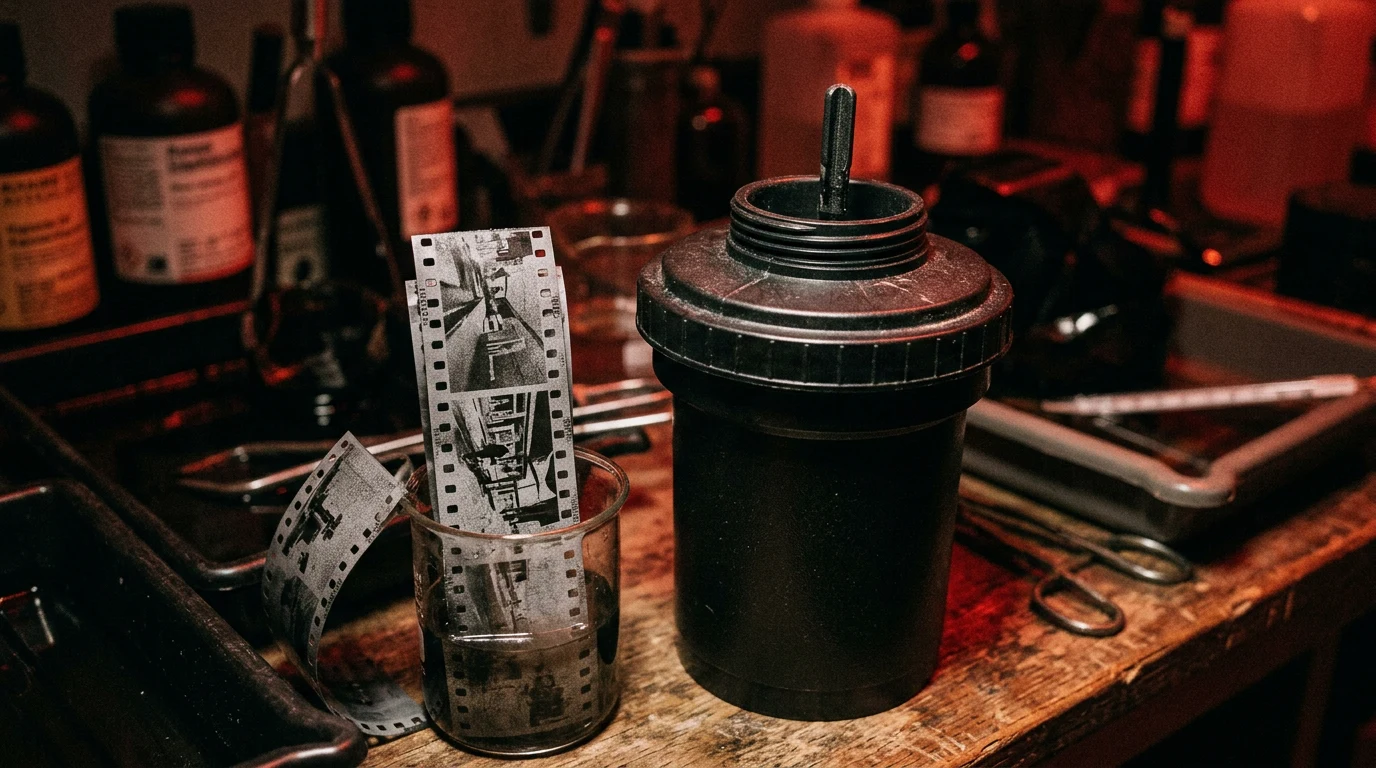
Kodak's own numbers for shooting Tri-X 400 at EI 1600, what changes in the tank, and where a two-stop push turns into a mistake.
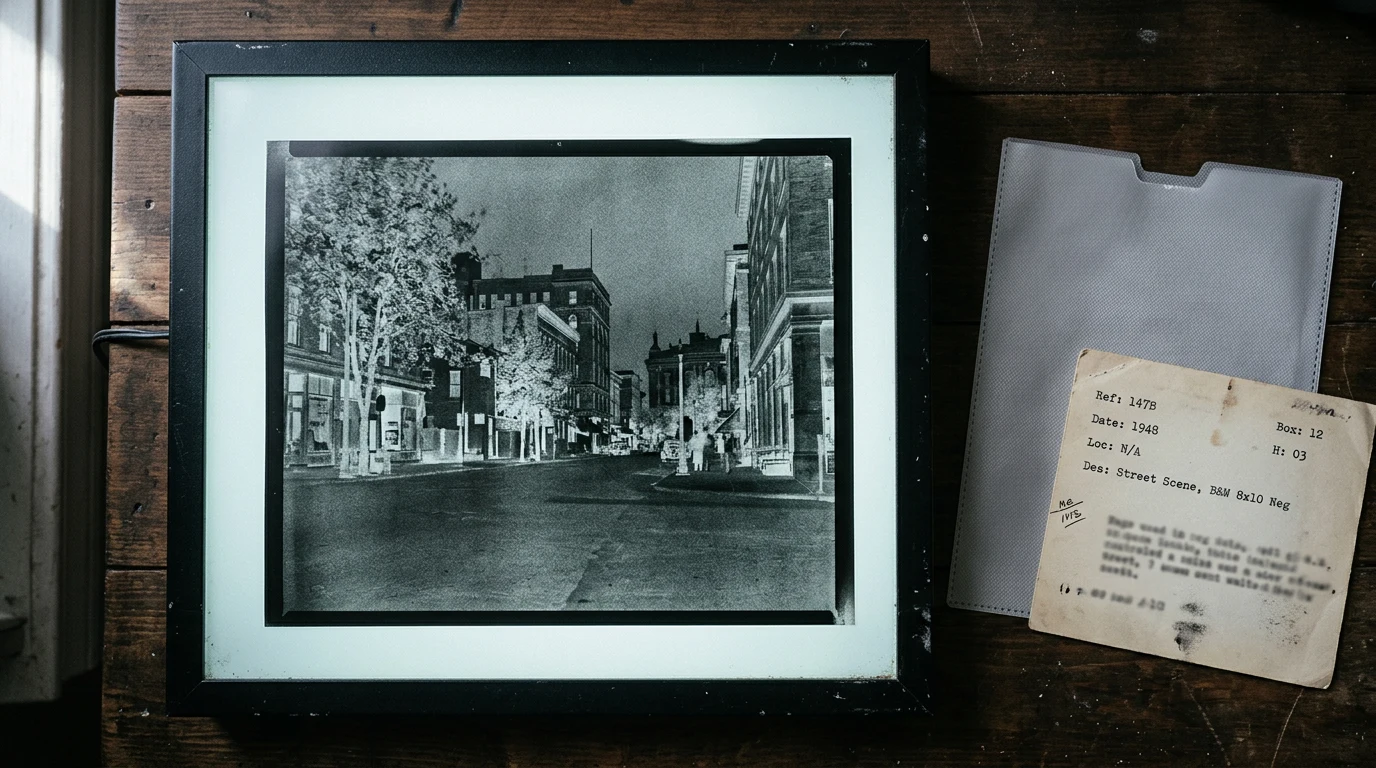
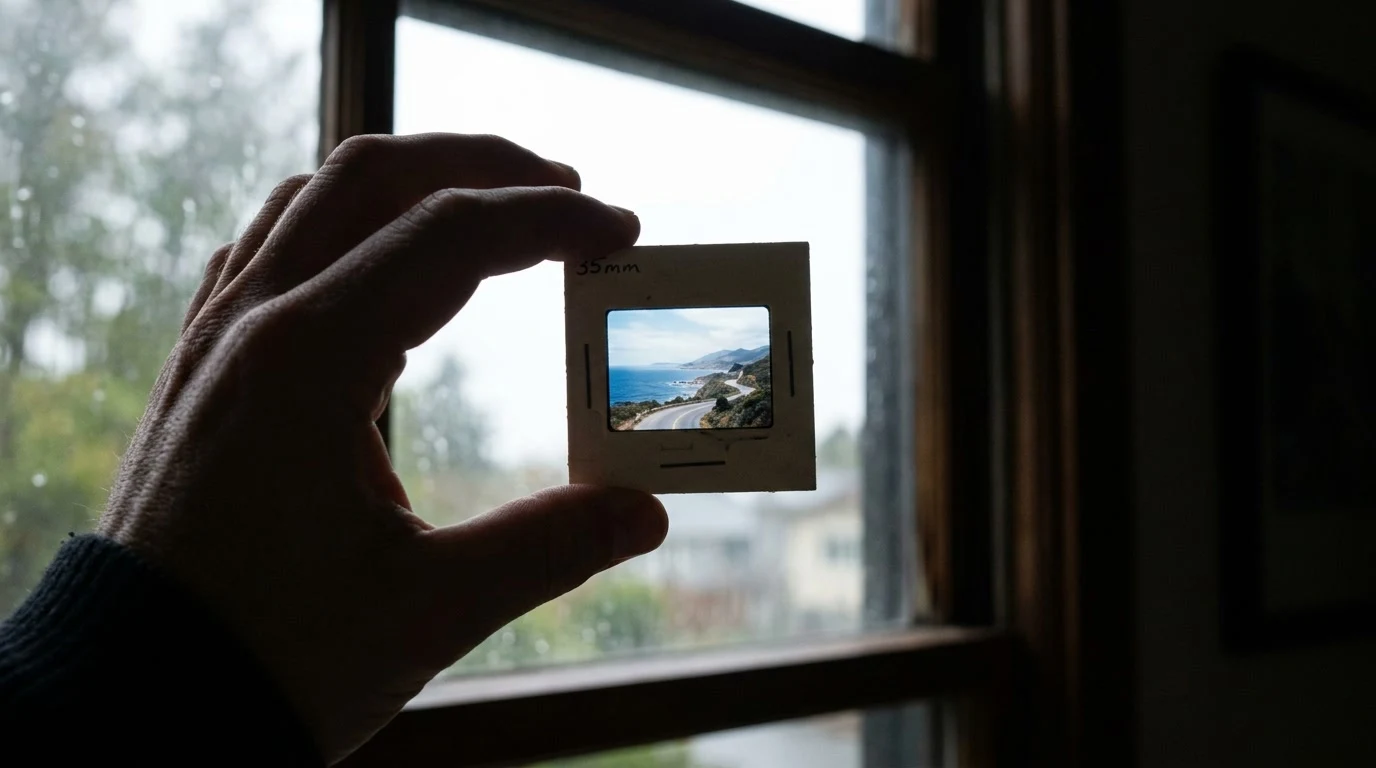
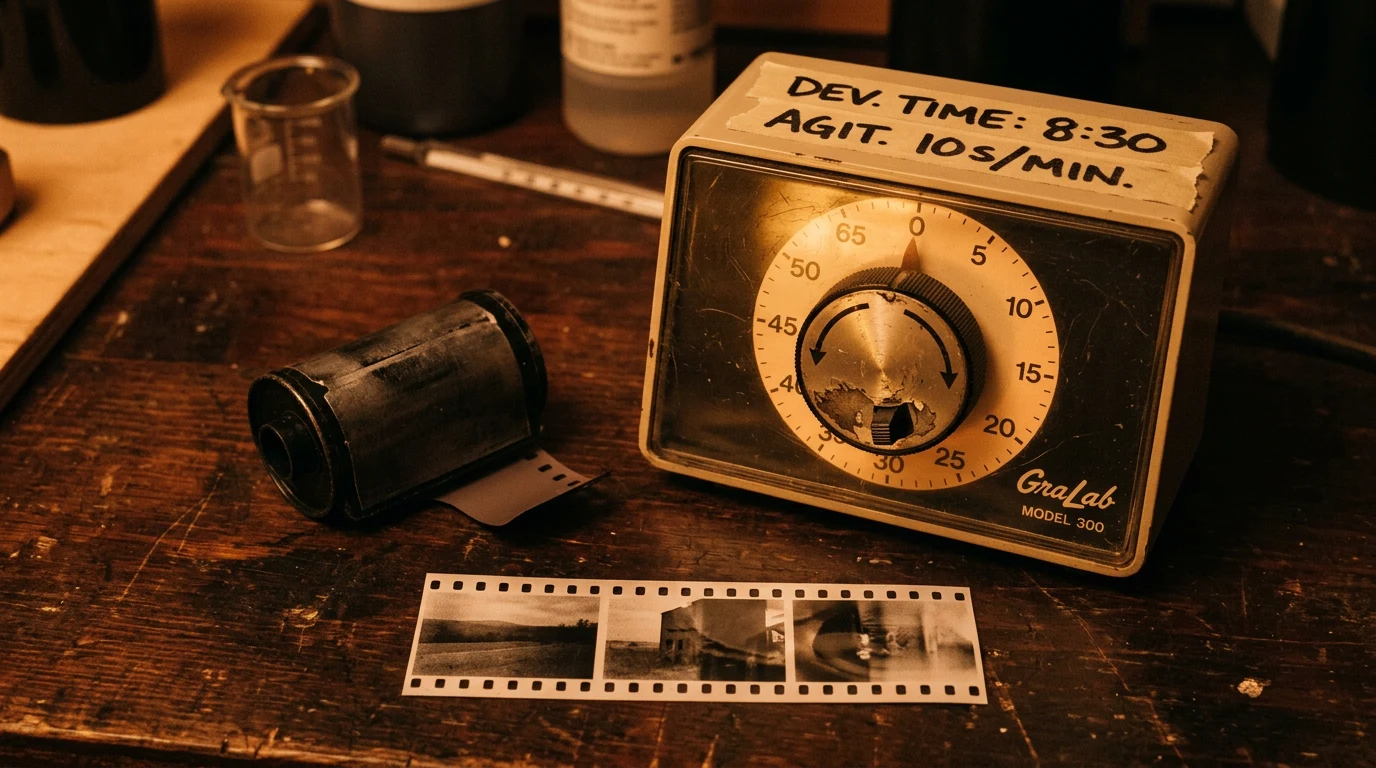
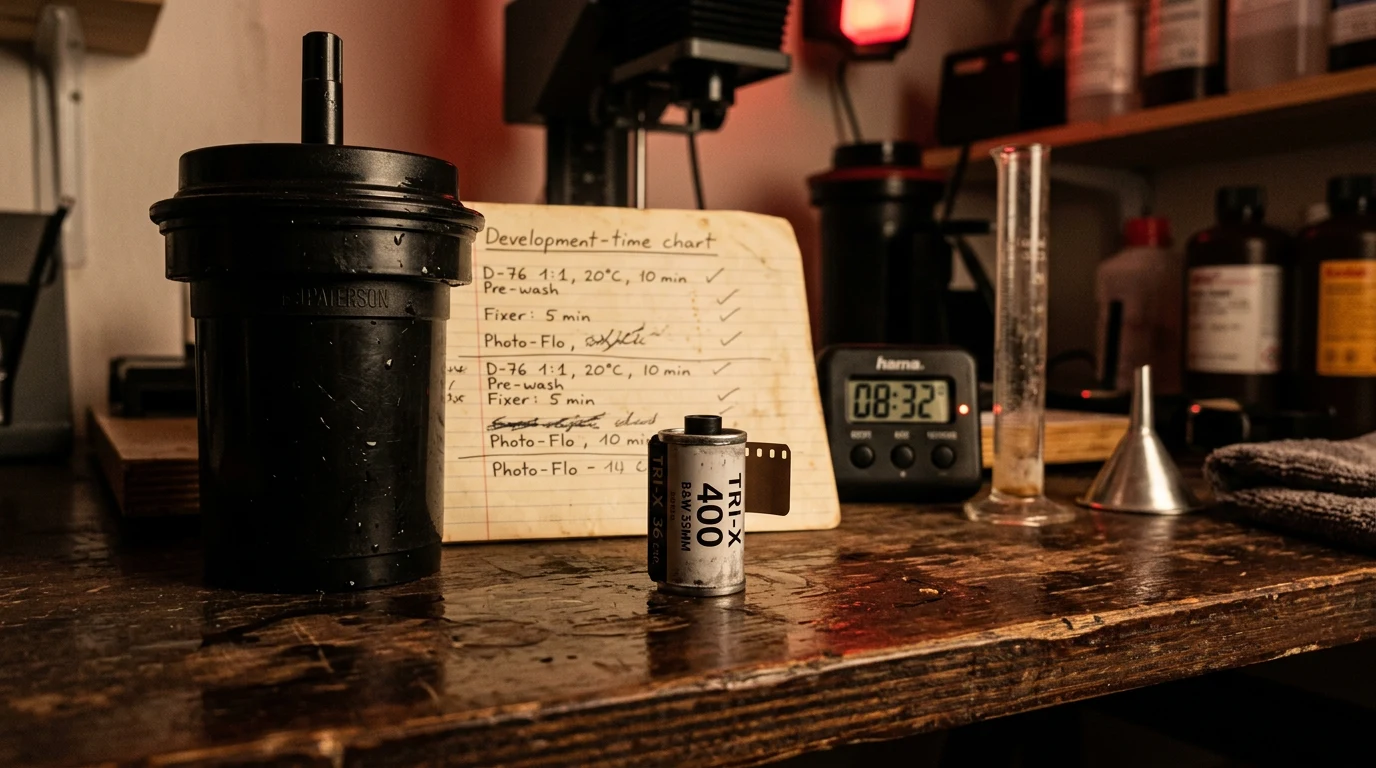
Another round of increases across the Fujifilm lineup landed in 2025, the latest in a three-year run of rises — here is what it means for the film budget.
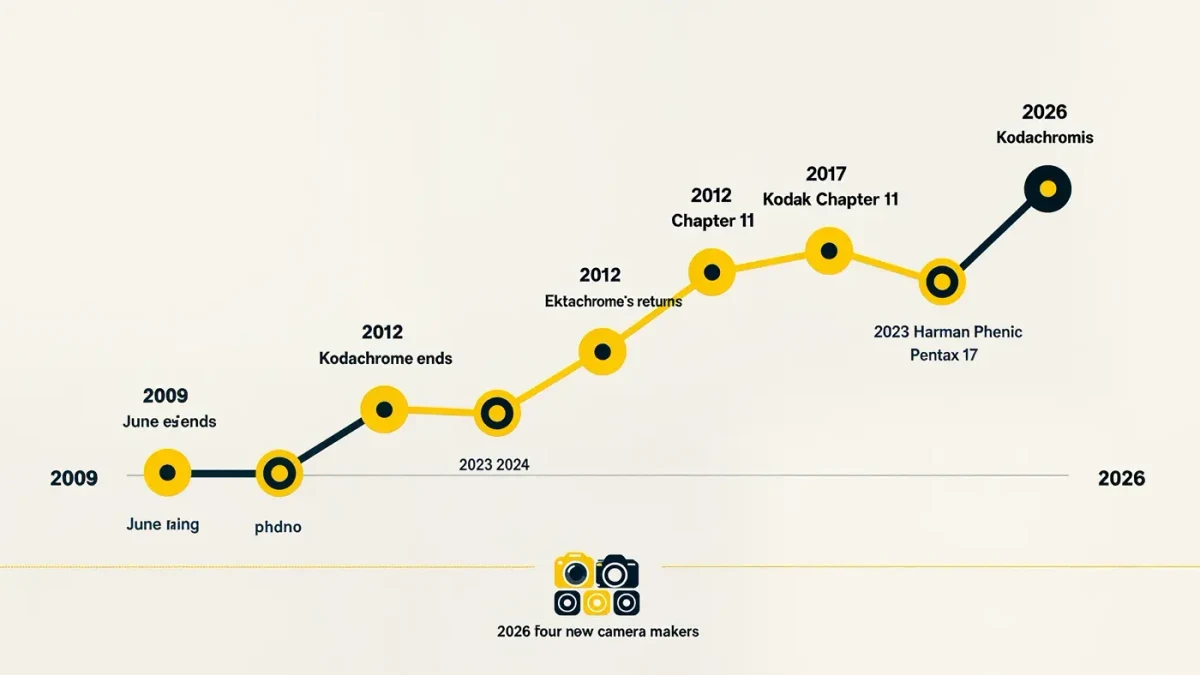
From Kodachrome's announced end in June 2009 to new cameras and new emulsions shipping in 2026, the film revival was not a mood — it was a sequence of datable bets by companies everyone assumed had given up.
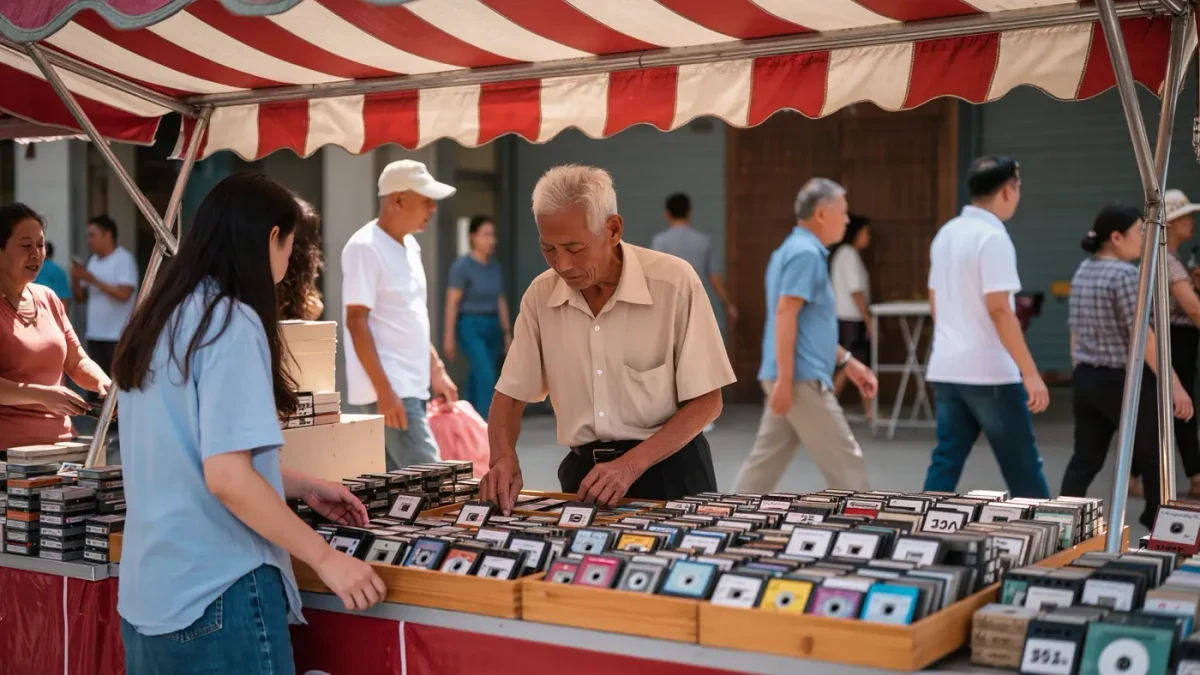
The expired film trade runs on three variables — storage, emulsion chemistry and whether anyone can still process the roll — and most asking prices quietly ignore all three.