Cameras
10 Film Cameras Beginners Should Consider Before Overspending
The best first film camera is usually the cheap, boring, dependable one — here is how to pick it and where the money should go instead.
Film camera coverage for people buying, fixing or living with one: shutter accuracy, meter drift, light seals, viewfinder brightness and realistic service costs. Ranges across 35mm compacts, rangefinders, SLRs and medium format bodies. Written to help a shooter pick a camera that survives regular use.
The best first film camera is usually the cheap, boring, dependable one — here is how to pick it and where the money should go instead.
Replicas, franken-cameras and mislabeled classics are everywhere at markets and online. Here is how to read the tell-tale signs before money changes hands.
Match the body to how you actually shoot, set a budget that leaves room for film, and buy the simplest camera that will do the job.
Ricoh's half-frame comeback camera skips autofocus by design, doubles your roll, and still costs the same $499.95 it launched at two years ago.
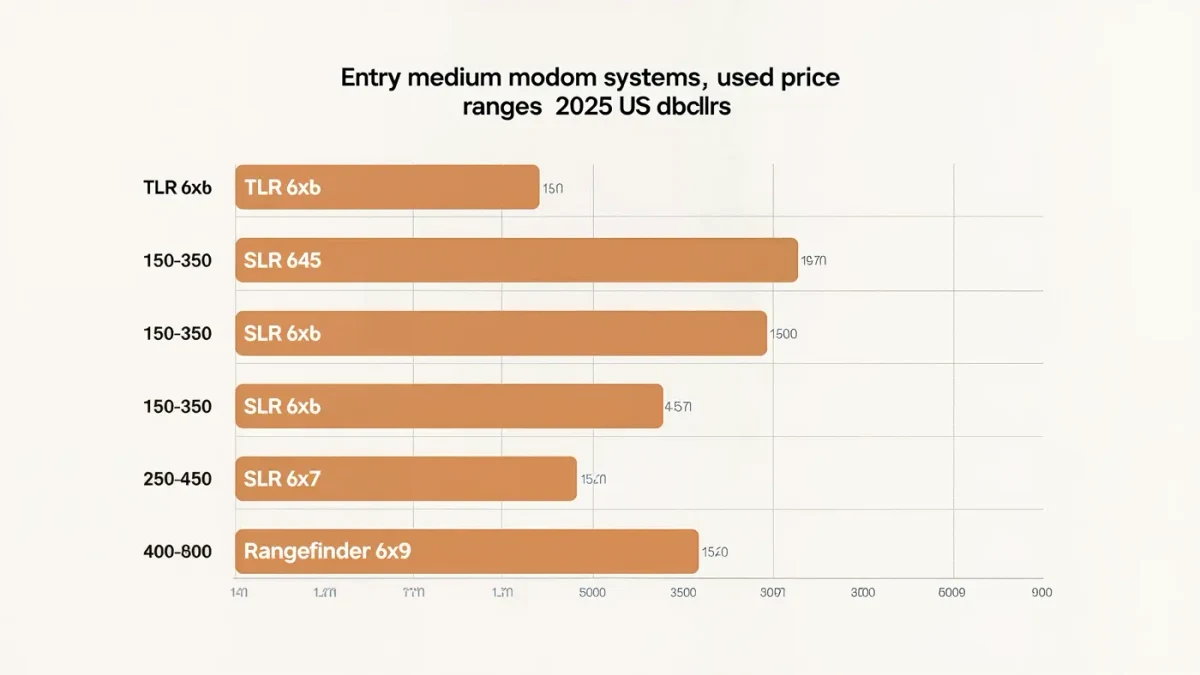
Your first medium format camera should match how you shoot, not just your budget, because format choice decides weight, cost per frame and pace.
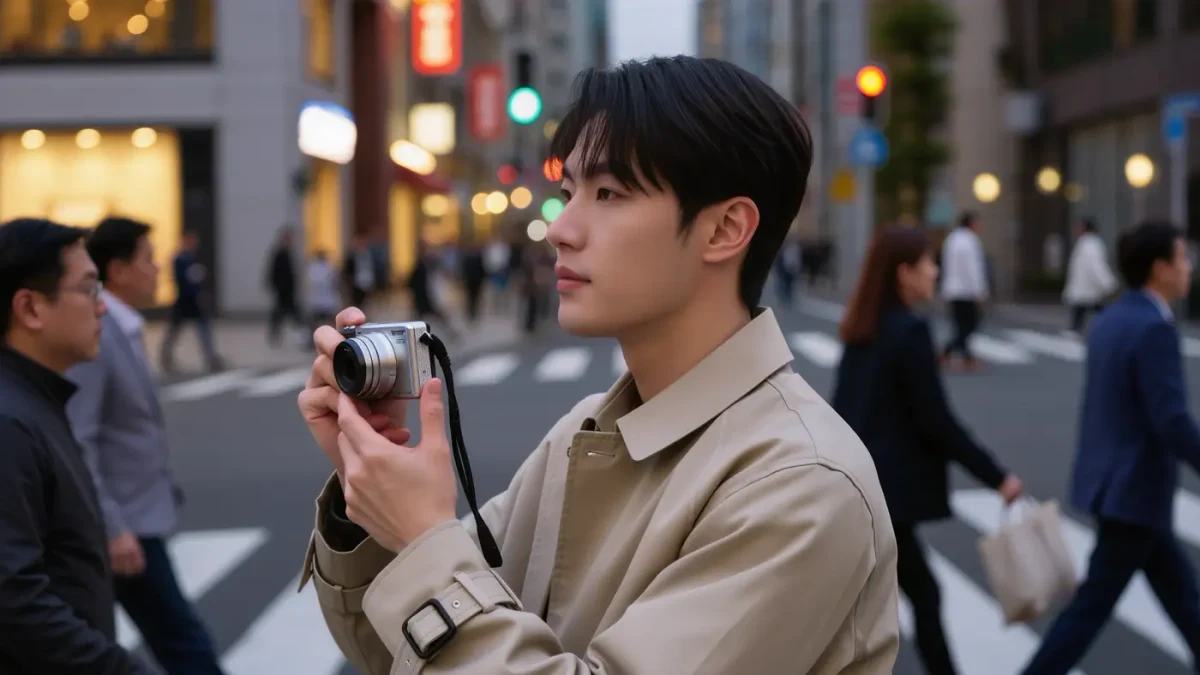
The Contax T2 pairs a Zeiss 38mm lens with true pocket size, and two decades of hype have done interesting things to its price.
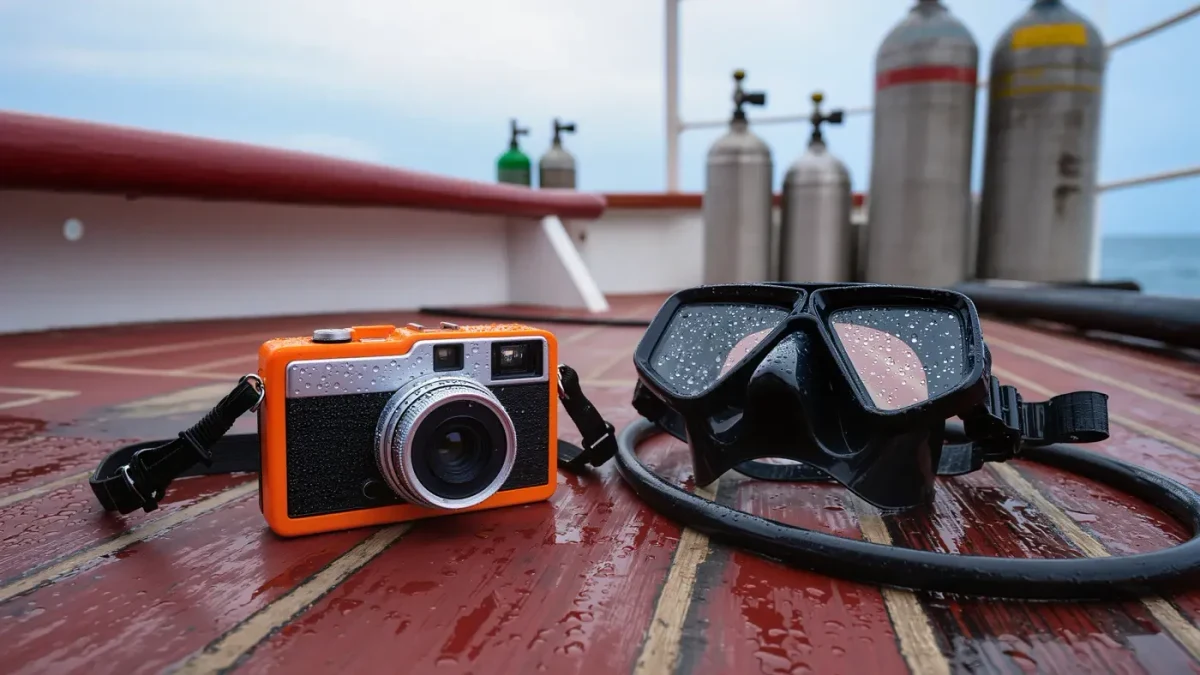
The Nikonos V is the amphibious 35mm camera divers still trust at depth, as long as its seals have been serviced rather than assumed.
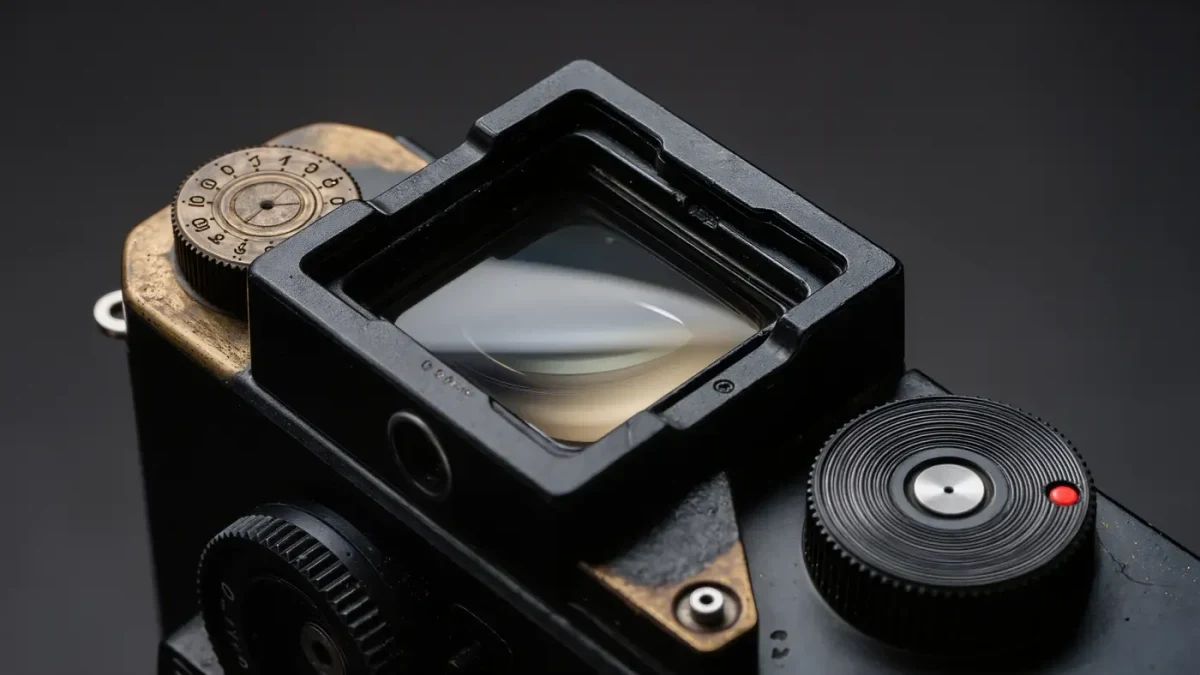
The Leica M6 is the one film body whose price never really fell, so a careful buying checklist matters more here than anywhere else.
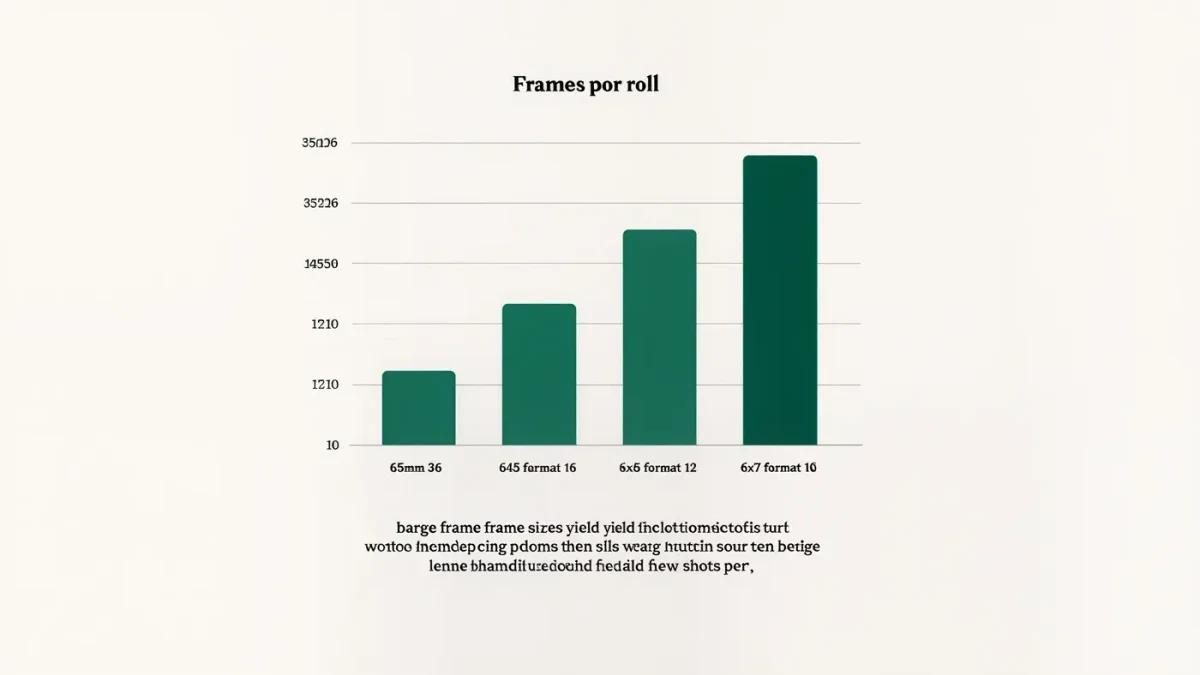
The Mamiya RZ67 makes 6x7 negatives with studio manners, and its used prices undercut anything digital that comes close in tonal depth.

The Yashica Mat 124G remains the cheapest credible route into square 6x6 film, provided you check the shutter and film spacing before buying.