
Darkroom
Stop Bath vs Water: What Each Rinse Actually Does
Stop bath and a plain water rinse are not the same step. One halts the developer with acid, the other dilutes and slows it. Here is what each one does.
The chemistry desk. Developer choice and dilution, stop bath and fixer capacity, agitation rhythm, temperature control, enlarger alignment, dodging and burning, and washing fiber prints properly. Covers both bathroom setups and dedicated rooms. Intended for anyone processing negatives or making prints without a commercial lab.
Stop bath and a plain water rinse are not the same step. One halts the developer with acid, the other dilutes and slows it. Here is what each one does.
A walk through the chemistry, the enlargers, and the people whose hands touch every negative.
A ranking is only as honest as its criteria. Here is what actually separates a good mail-in lab from a careless one, and how to judge price, scans, and packaging without trusting a star rating.
Pushing the classic black-and-white stock to 1600 is documented territory — Kodak's own datasheet and the development charts carry the numbers you need.
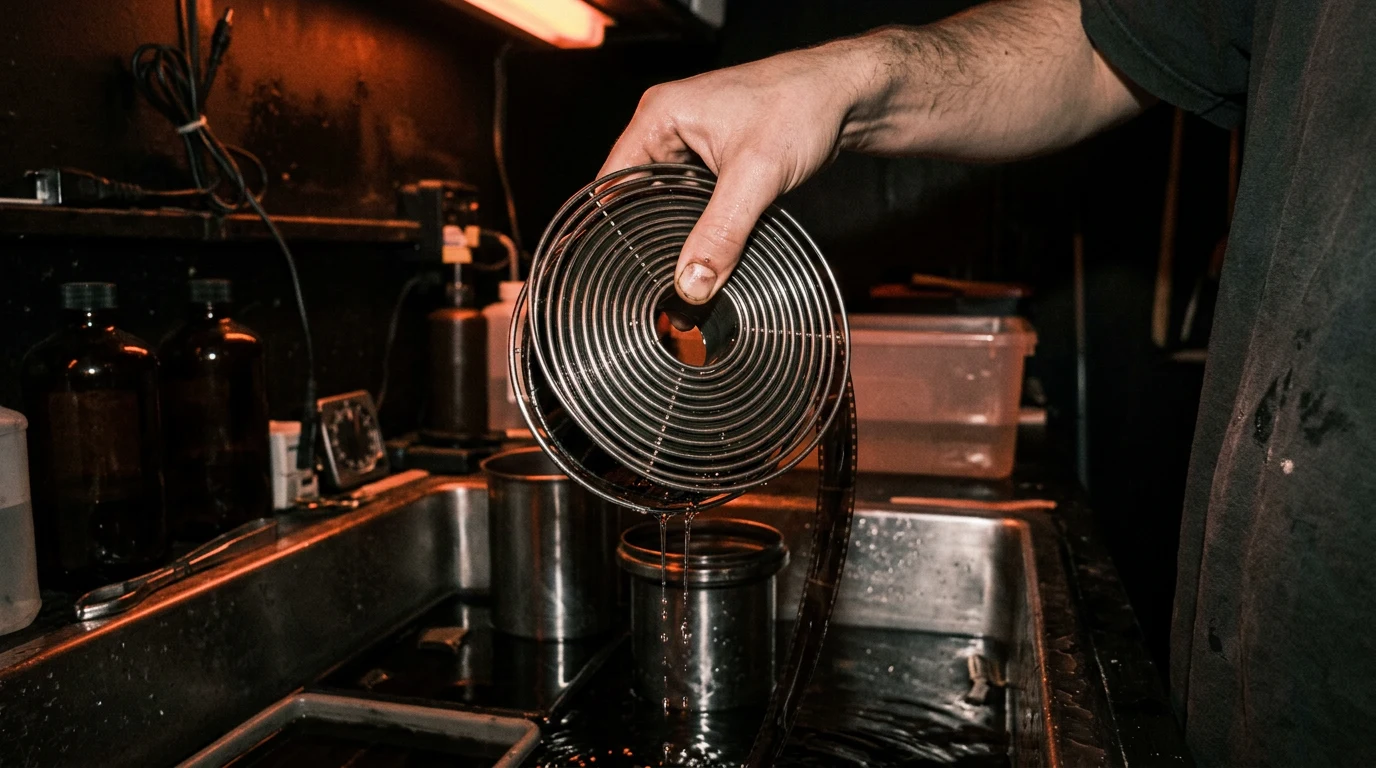
A short rinse feels done long before the fixer is actually gone. Here's how the wash step actually works, and how to tell when a roll is clean enough to last.
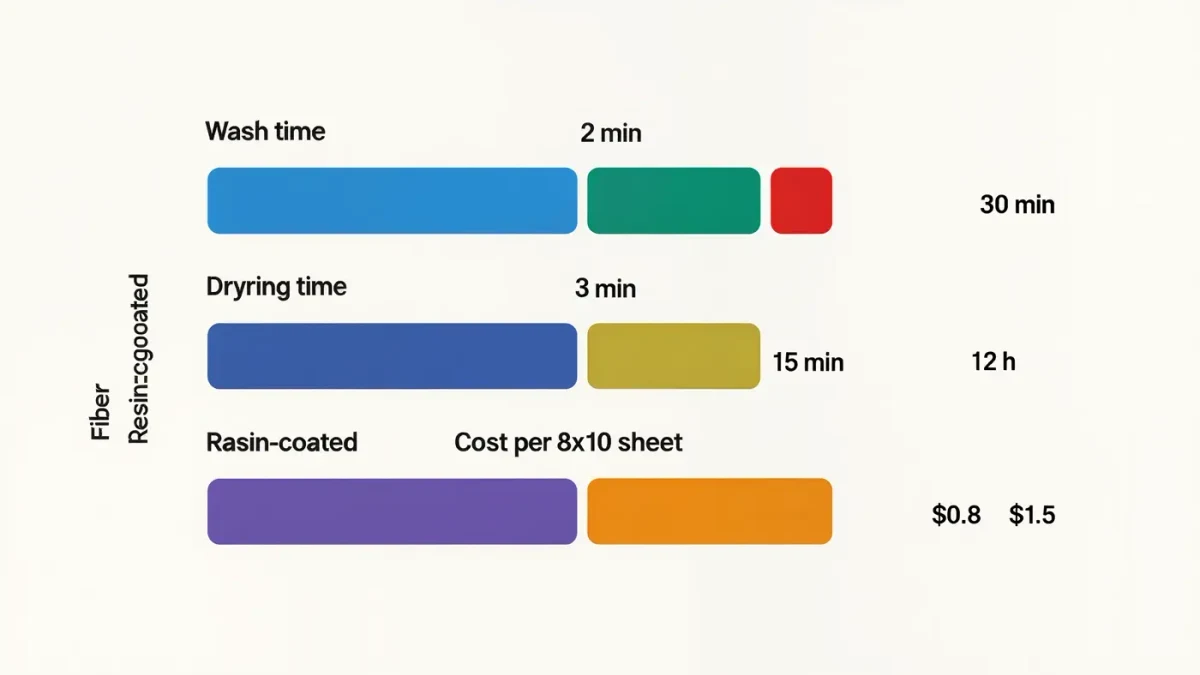
Fiber vs resin printing paper is one decision with consequences across the whole print run: washing, drying, toning, and how long prints live.
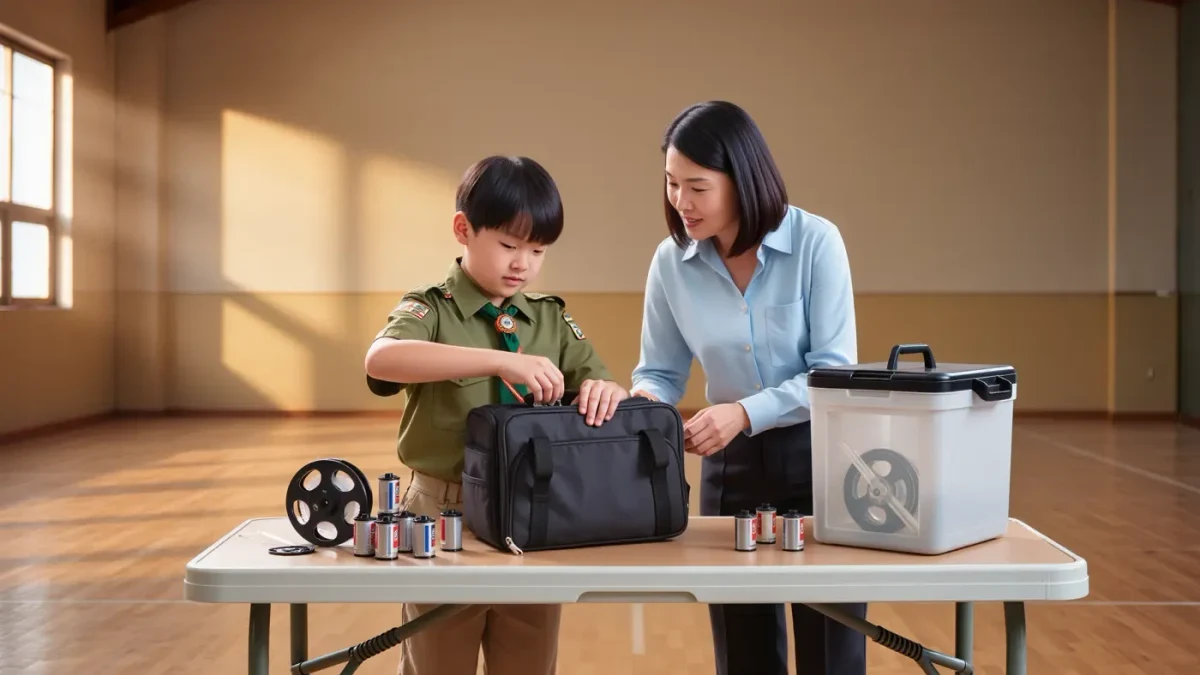
Loading film in a changing bag is a blind skill anyone can learn: fixed layout, practiced fingers, and one junk roll before the first real one.
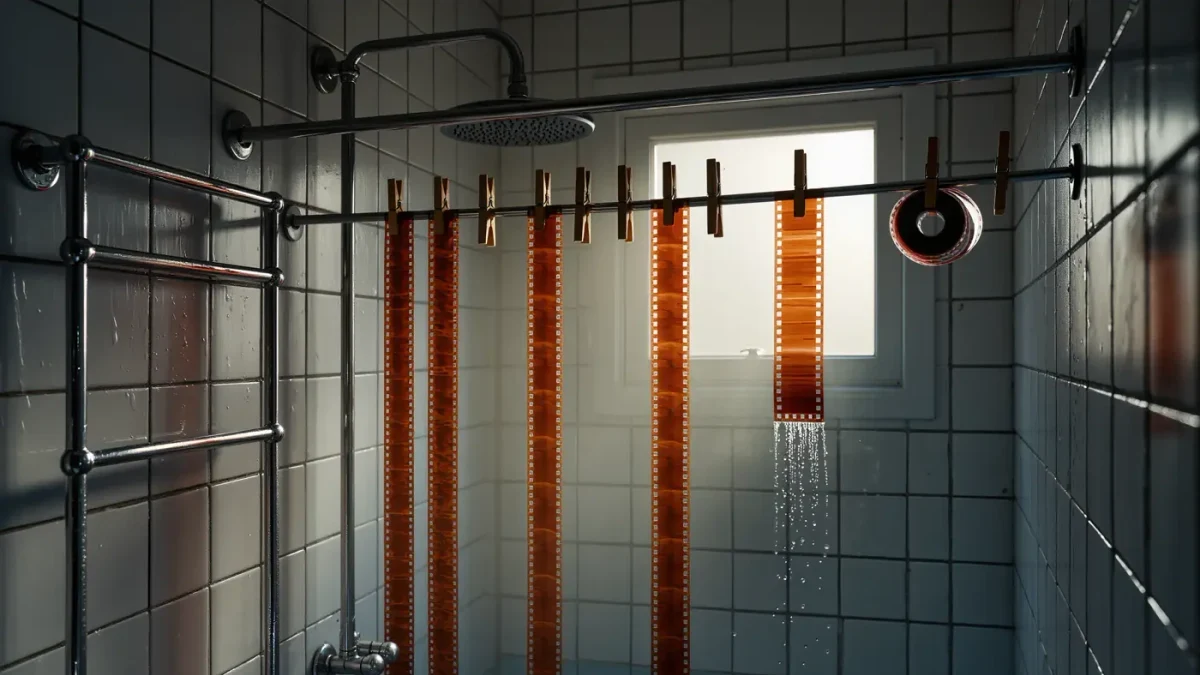
Film drying decides whether negatives stay clean: one wetting-agent dip, one still room, and absolutely no touching until dry.
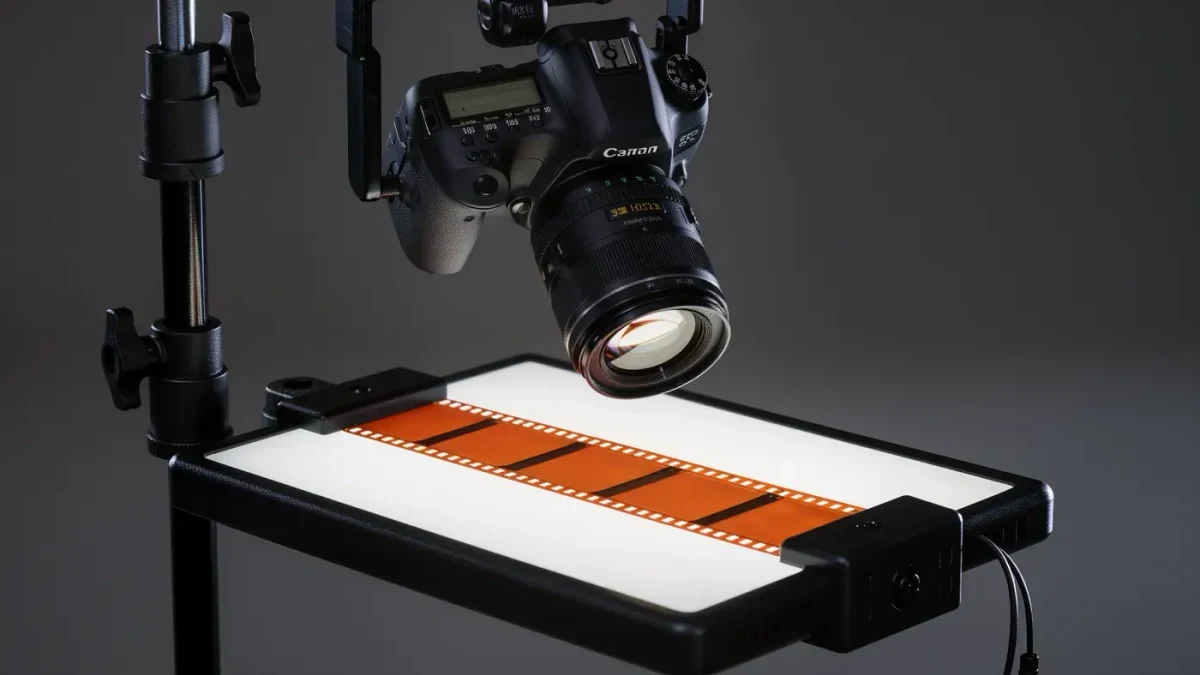
DSLR scanning turns a camera, a macro lens, and a light pad into a film scanner that out-resolves most flatbeds.
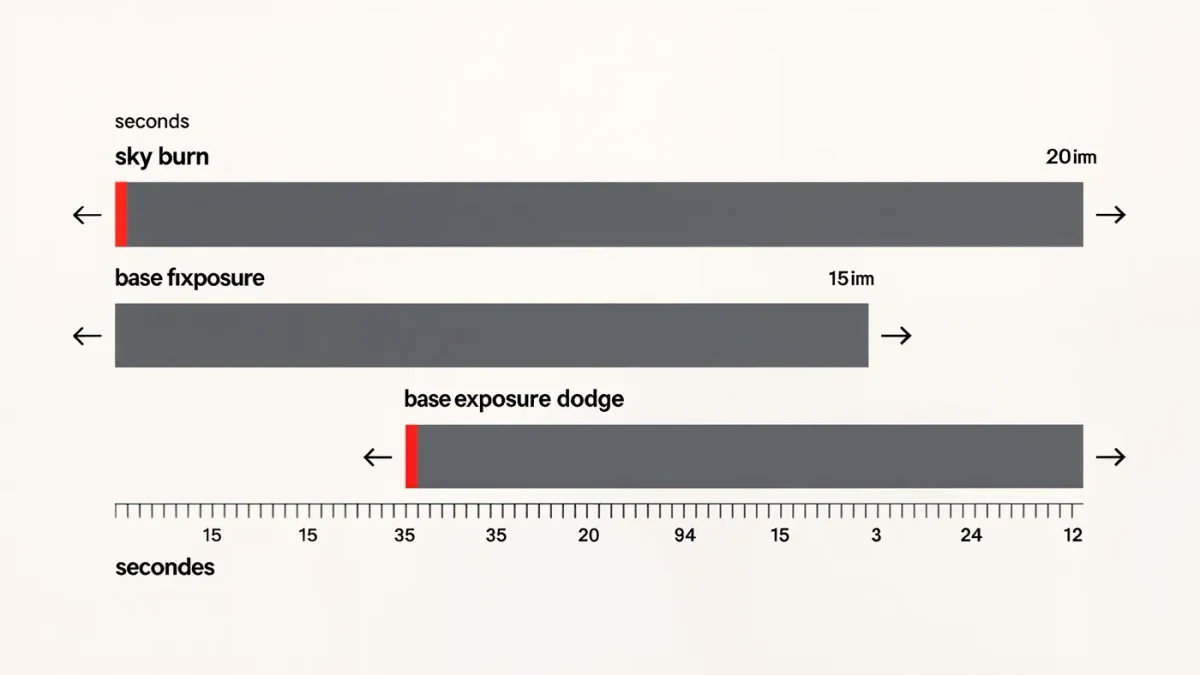
Dodging and burning basics come down to one skill: reshaping a base exposure in counted seconds while the paper sits under the light.