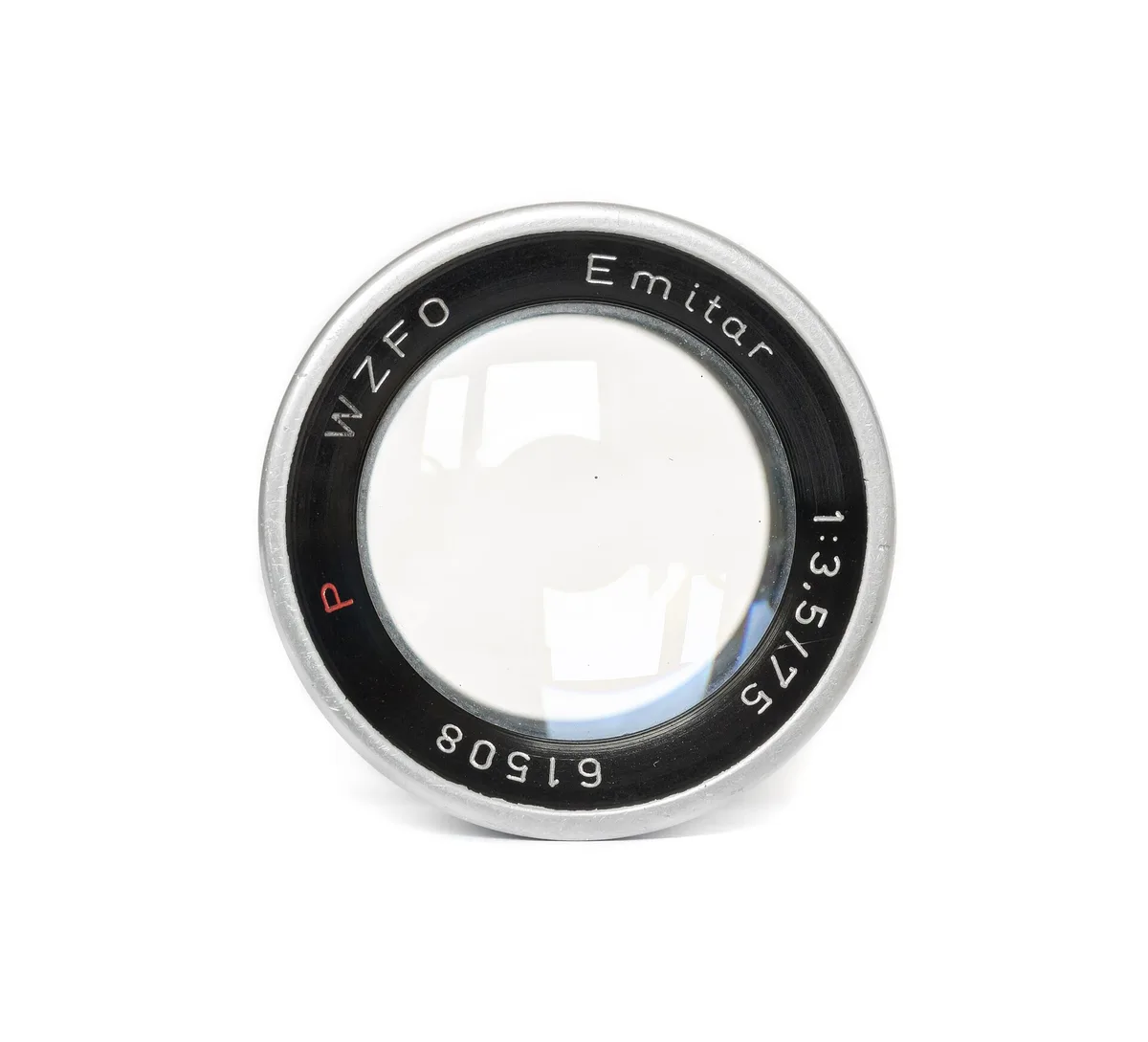
Twin Lens Reflex Cameras: Shooting Waist-Level Like a Pro
A twin lens reflex camera pairs two matched lenses with a waist-level finder, a design that has run since the Rolleiflex of 1929.
A twin lens reflex camera pairs two matched lenses with a waist-level finder, a design that has run since the Rolleiflex of 1929.
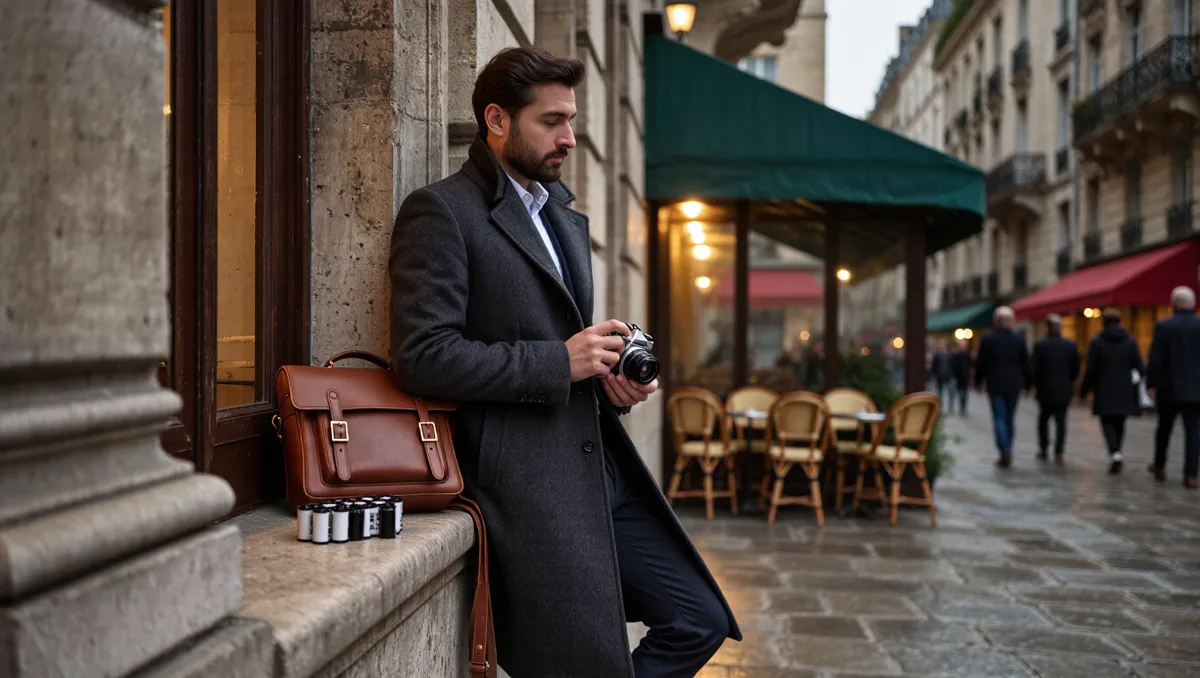
Film street photography is legal across most public places, a genre reaching back to Daguerre in 1838, where the real work is conduct: knowing the law, honoring strangers, and keeping the nerve to press once.
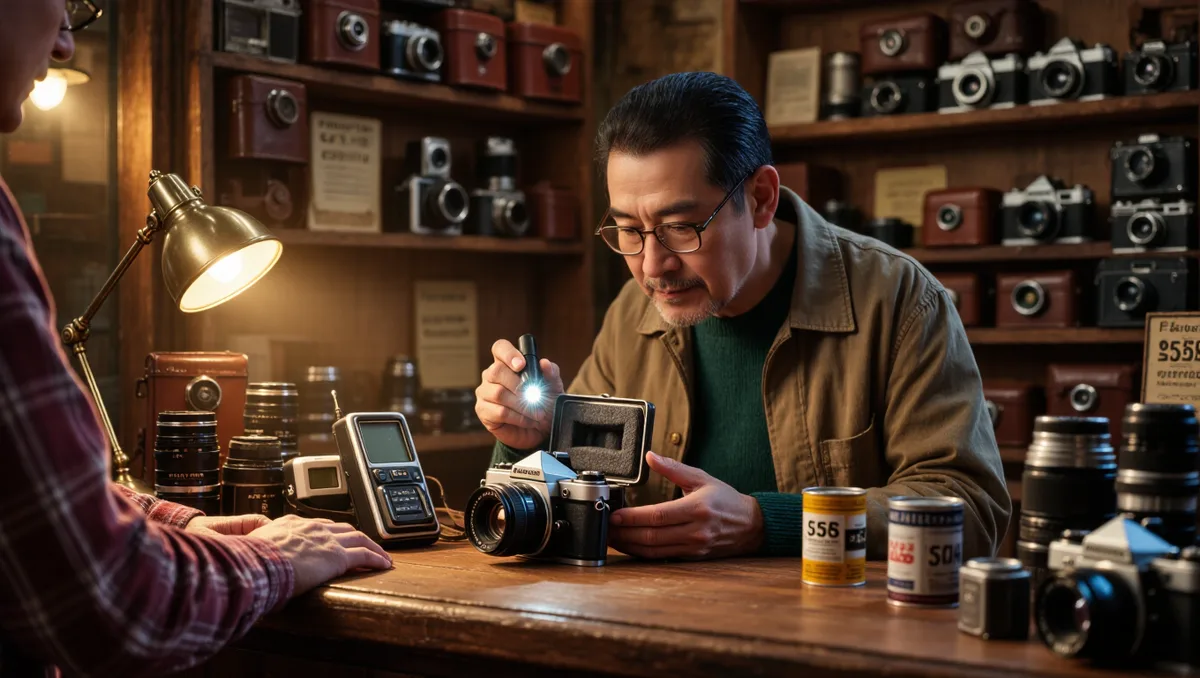
A patient inspection checklist for light seals, shutters, meters, and price — so the bargain stays a bargain.
Margins are thin, chemistry is unforgiving, and the customers who keep a lab open are not who you think.
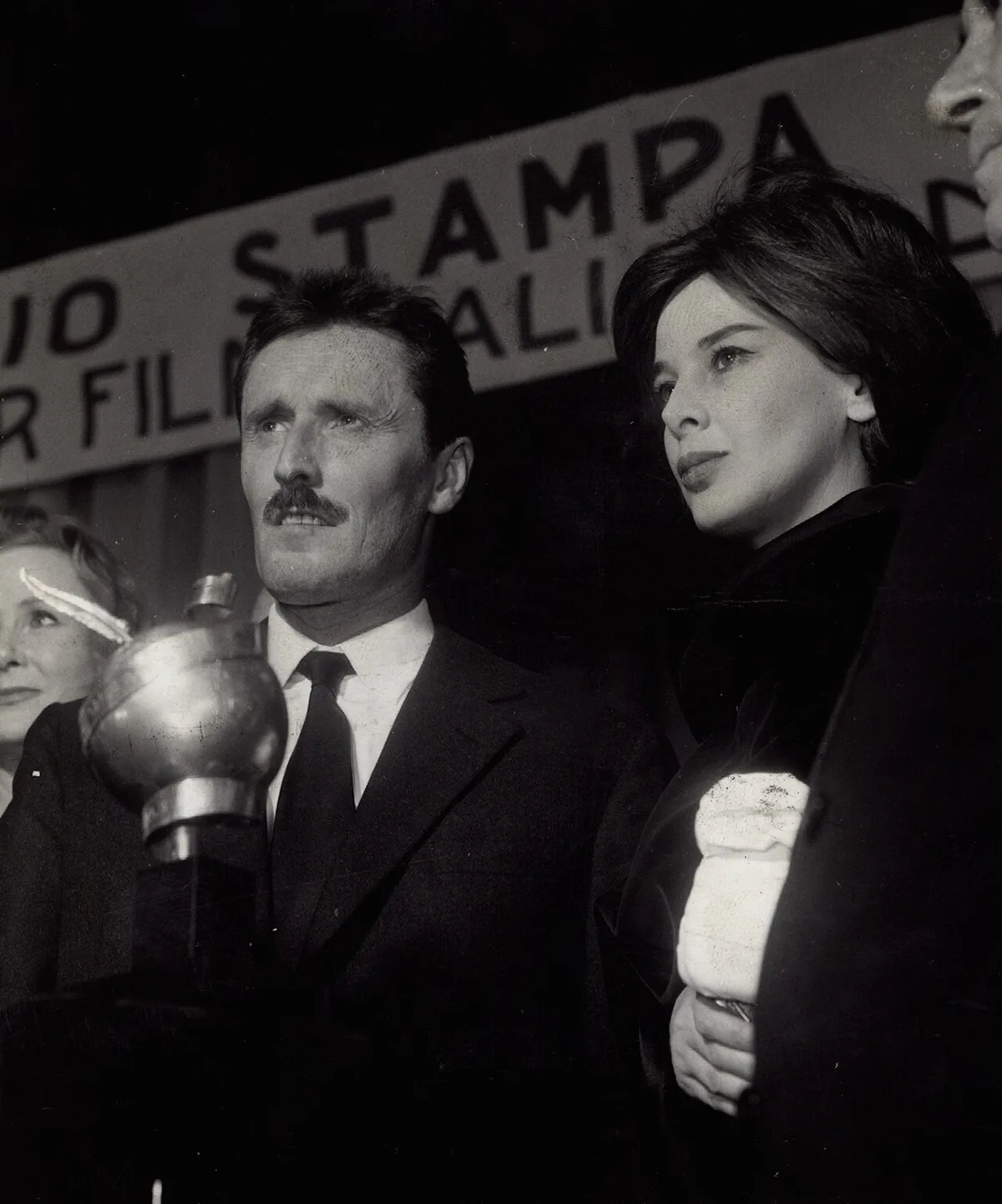
Portraits sort into three documented stocks: Kodak Portra 400 for color work it was built for in 1998, Kodak Tri-X at ISO 400 for grain with a temper, and Ilford HP5 Plus on a line dating to 1931.
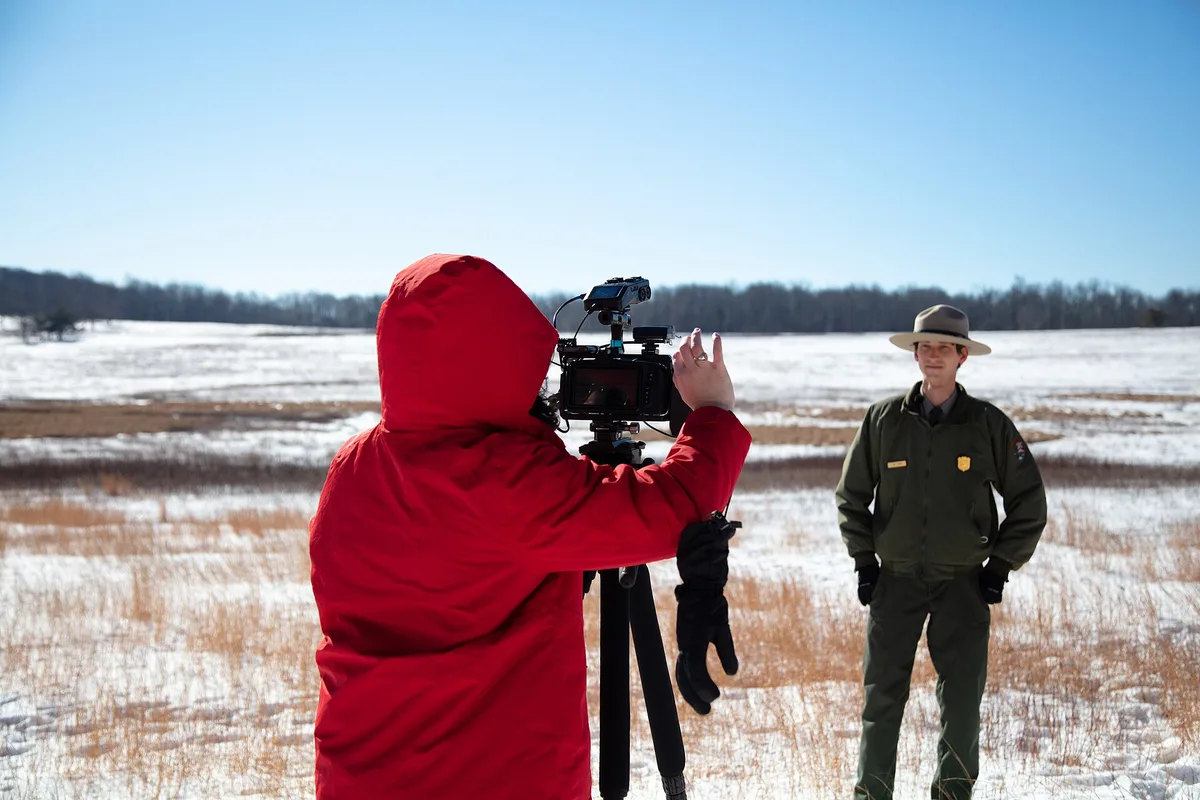
Winter film photography leans on fast rolls, honest metering over bright snow, warm batteries, and the long-exposure chart after early dusk.
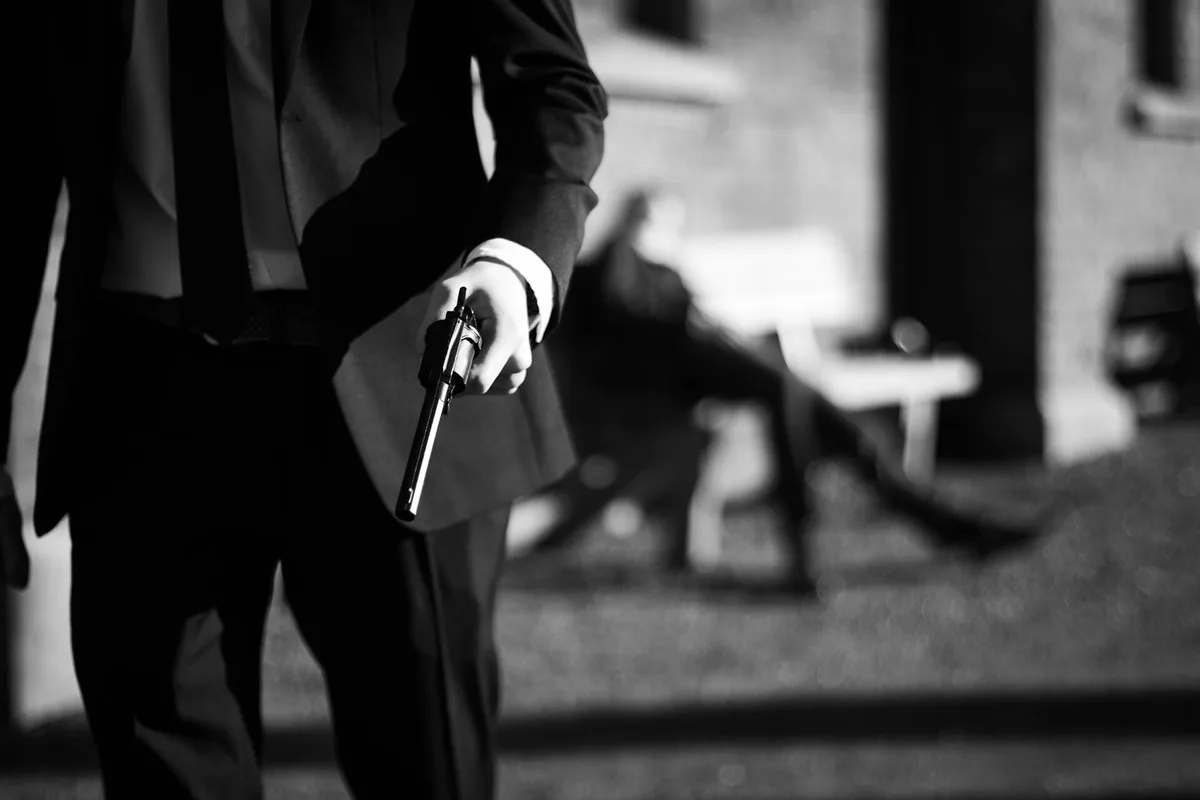
Film noir's classic period ran from the 1940s into the 1950s, built on low-key black-and-white lighting, a faster Kodak stock released in 1935, and cities that photograph like traps.
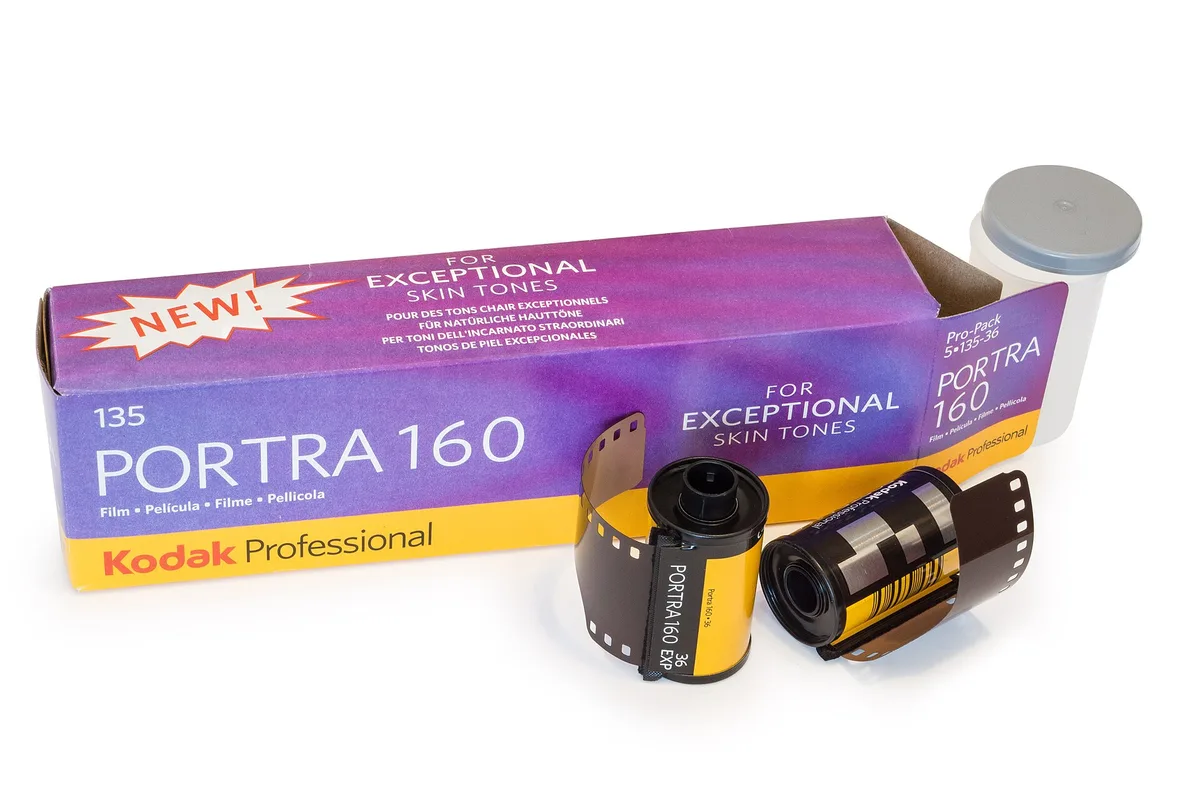
Portra 160 and Portra 400 differ mainly in speed, and speed drives grain, light needs, and subject choice. Here is when the slower film wins.
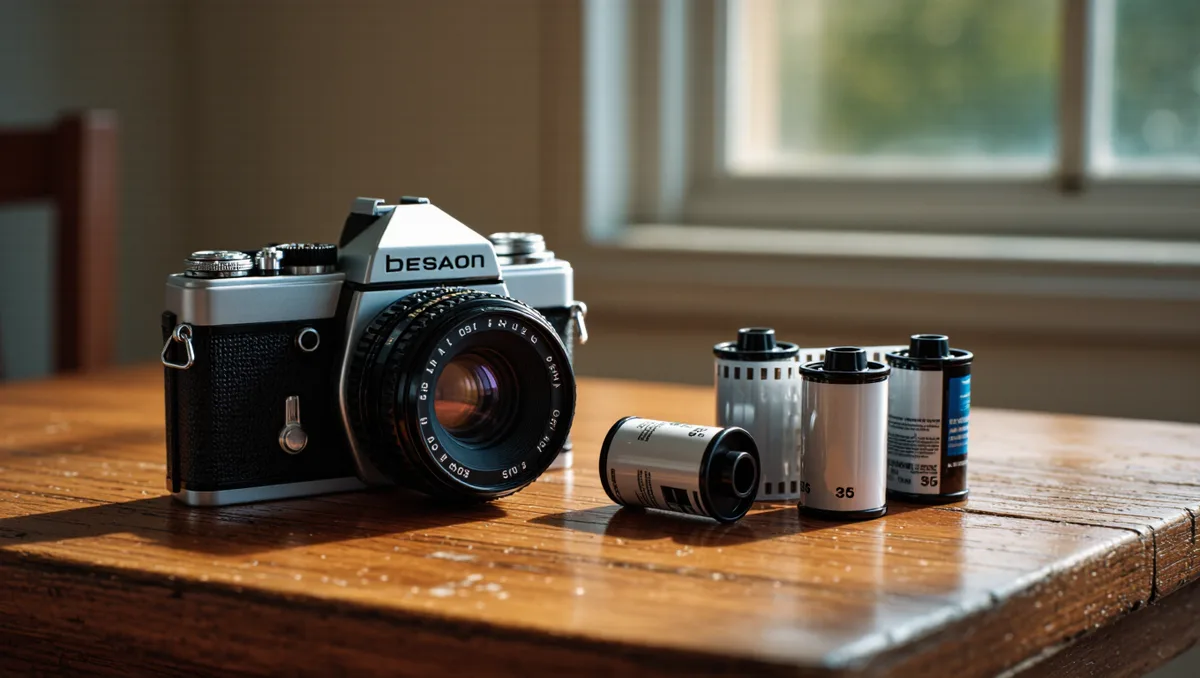
The best first film camera is usually the cheap, boring, dependable one — here is how to pick it and where the money should go instead.
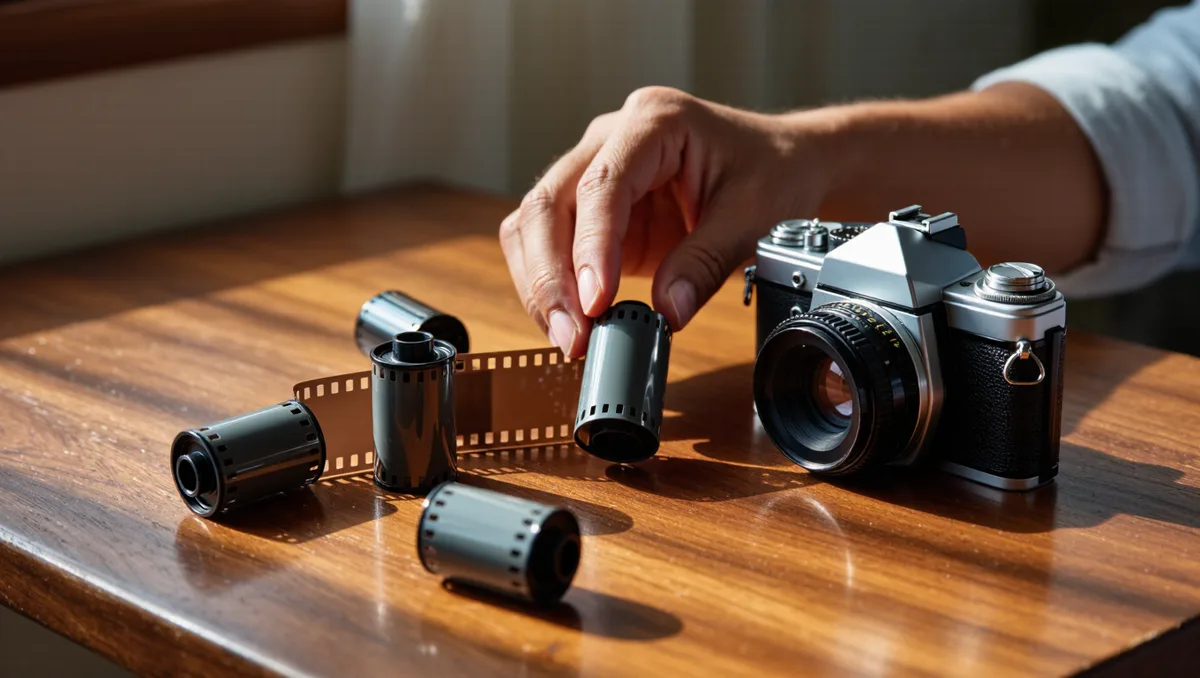
Replicas, franken-cameras and mislabeled classics are everywhere at markets and online. Here is how to read the tell-tale signs before money changes hands.
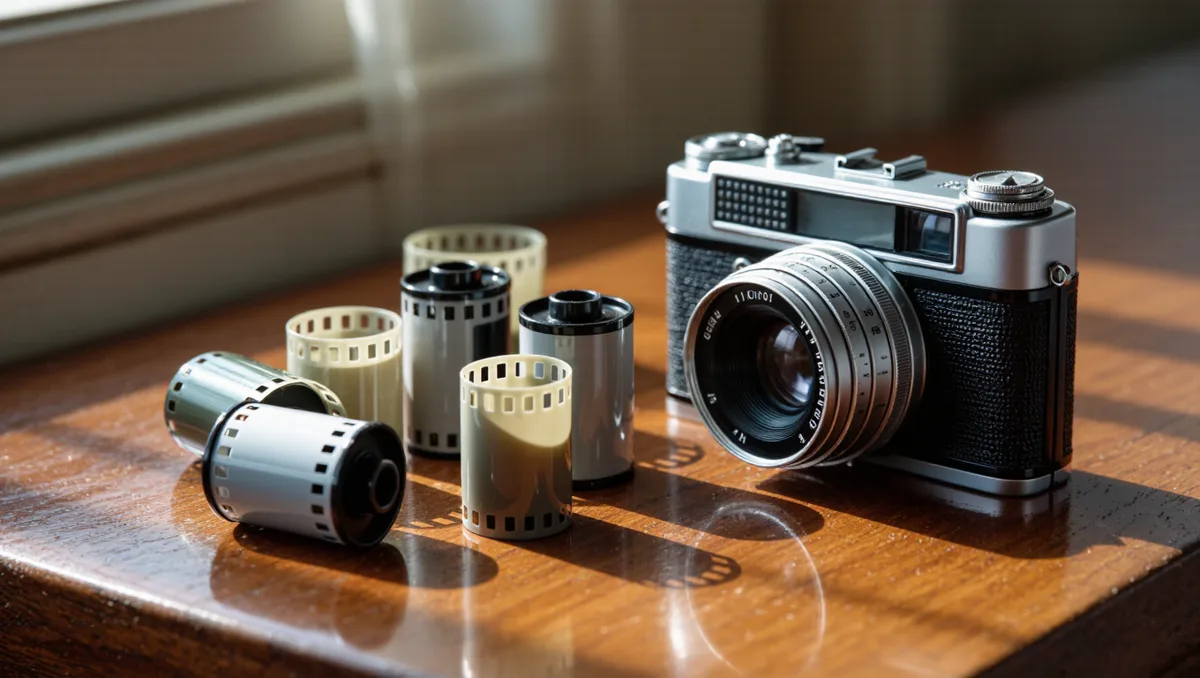
Match the body to how you actually shoot, set a budget that leaves room for film, and buy the simplest camera that will do the job.
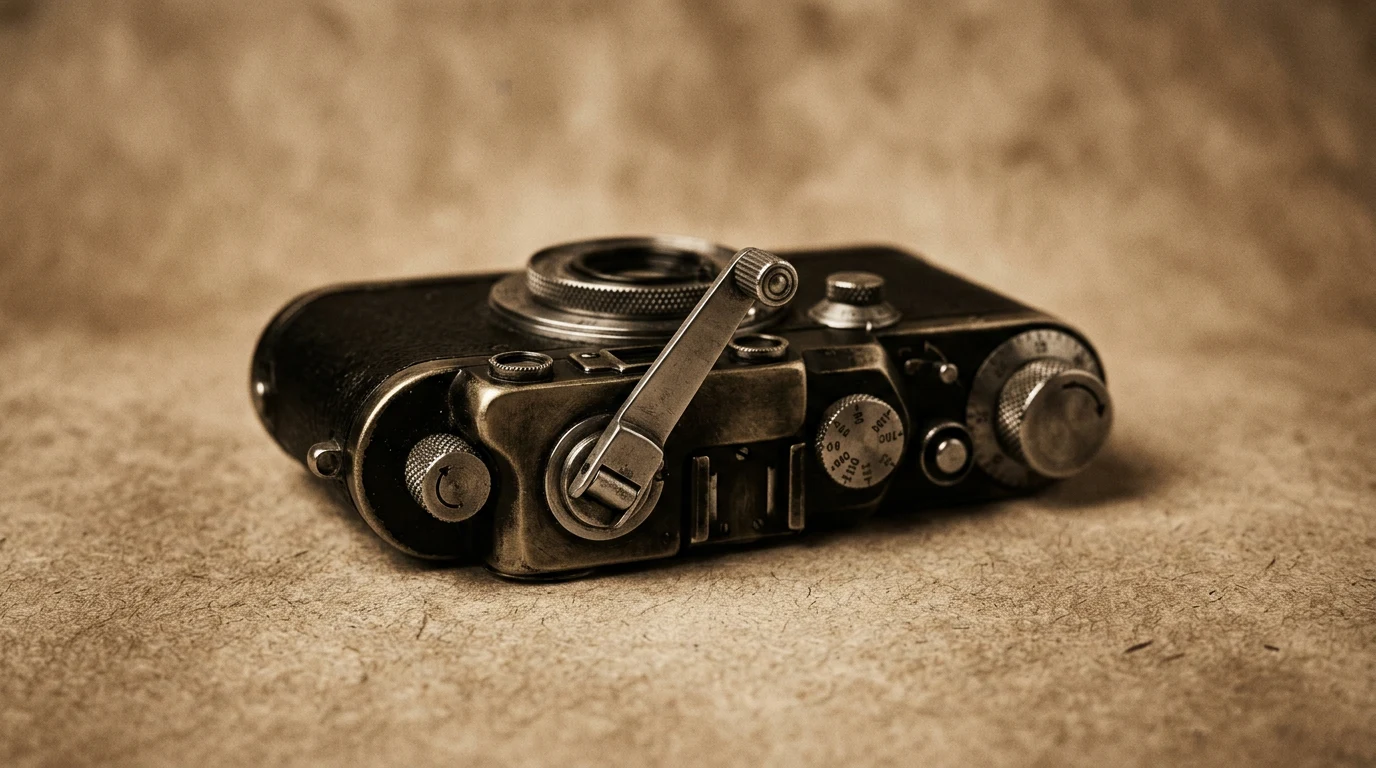
Ricoh's half-frame comeback camera skips autofocus by design, doubles your roll, and still costs the same $499.95 it launched at two years ago.
What separates a storage room with cameras from a collection worth flying for.
Stop bath and a plain water rinse are not the same step. One halts the developer with acid, the other dilutes and slows it. Here is what each one does.
A walk through the chemistry, the enlargers, and the people whose hands touch every negative.
A ranking is only as honest as its criteria. Here is what actually separates a good mail-in lab from a careless one, and how to judge price, scans, and packaging without trusting a star rating.
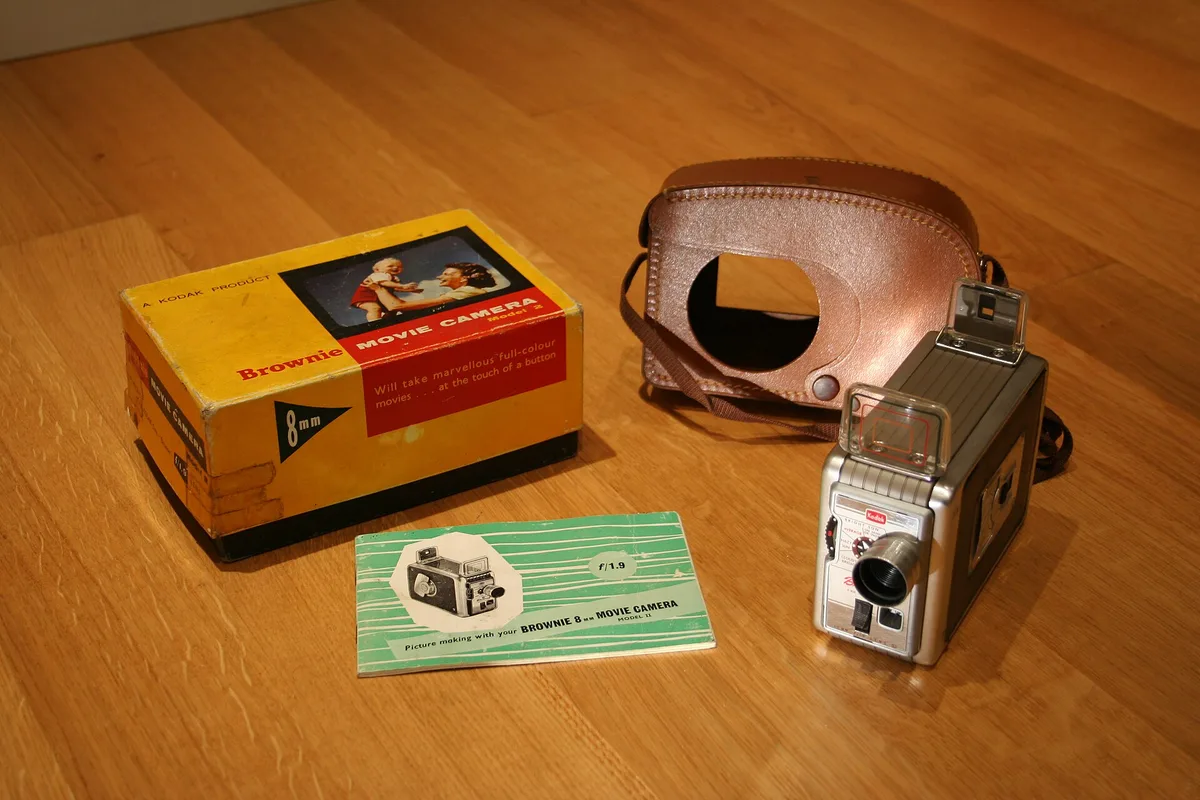
A trustworthy local film lab runs real chemistry on site, C-41 color in as little as 20 minutes, careful hand-processed black and white, and clean scans of every frame.
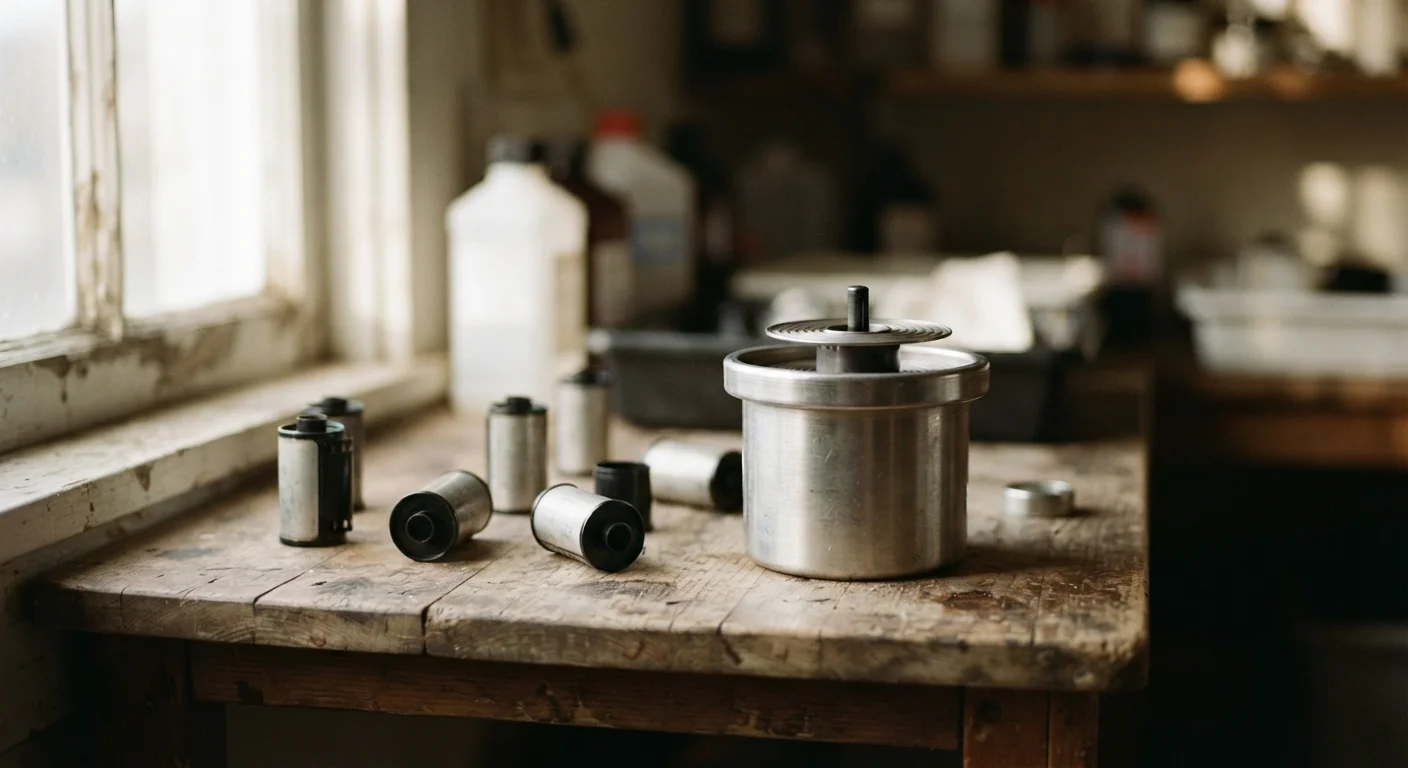
Pushing the classic black-and-white stock to 1600 is documented territory — Kodak's own datasheet and the development charts carry the numbers you need.
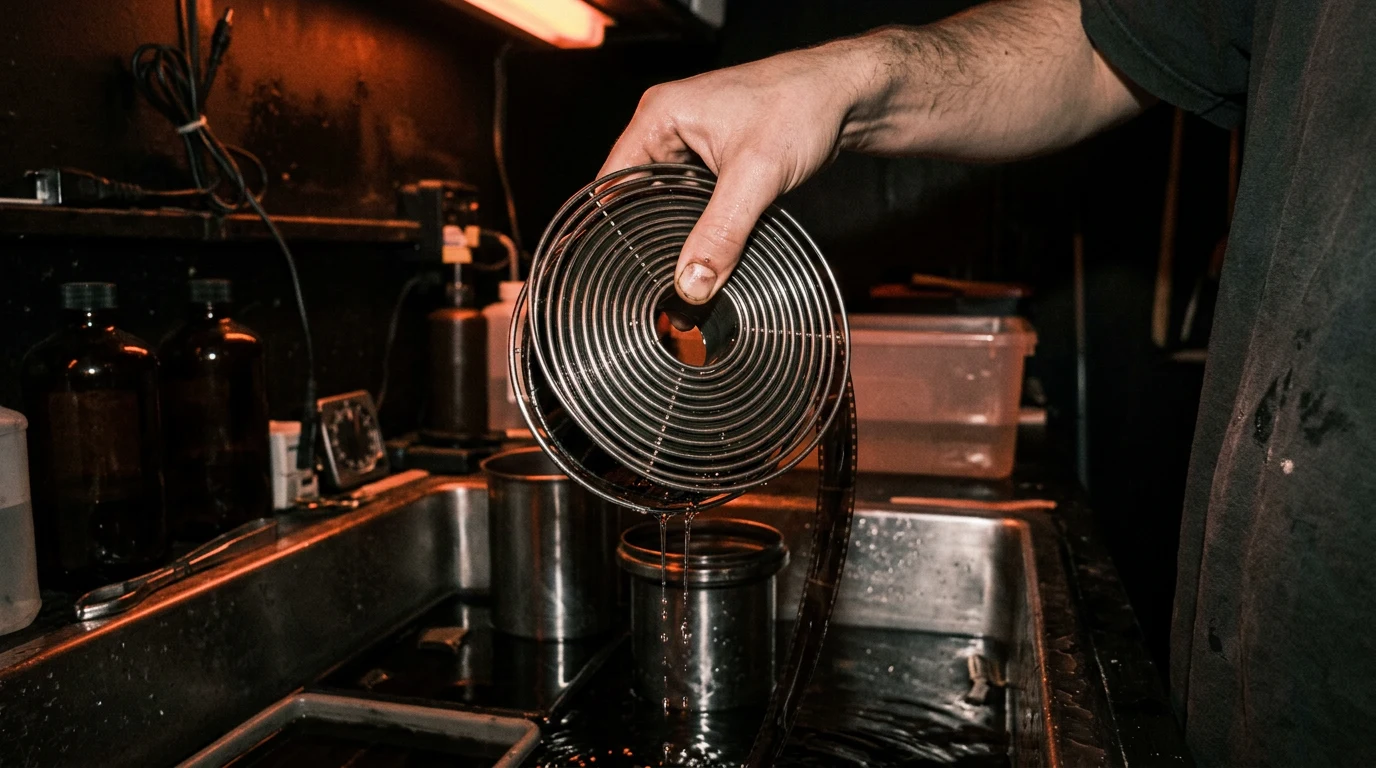
A short rinse feels done long before the fixer is actually gone. Here's how the wash step actually works, and how to tell when a roll is clean enough to last.
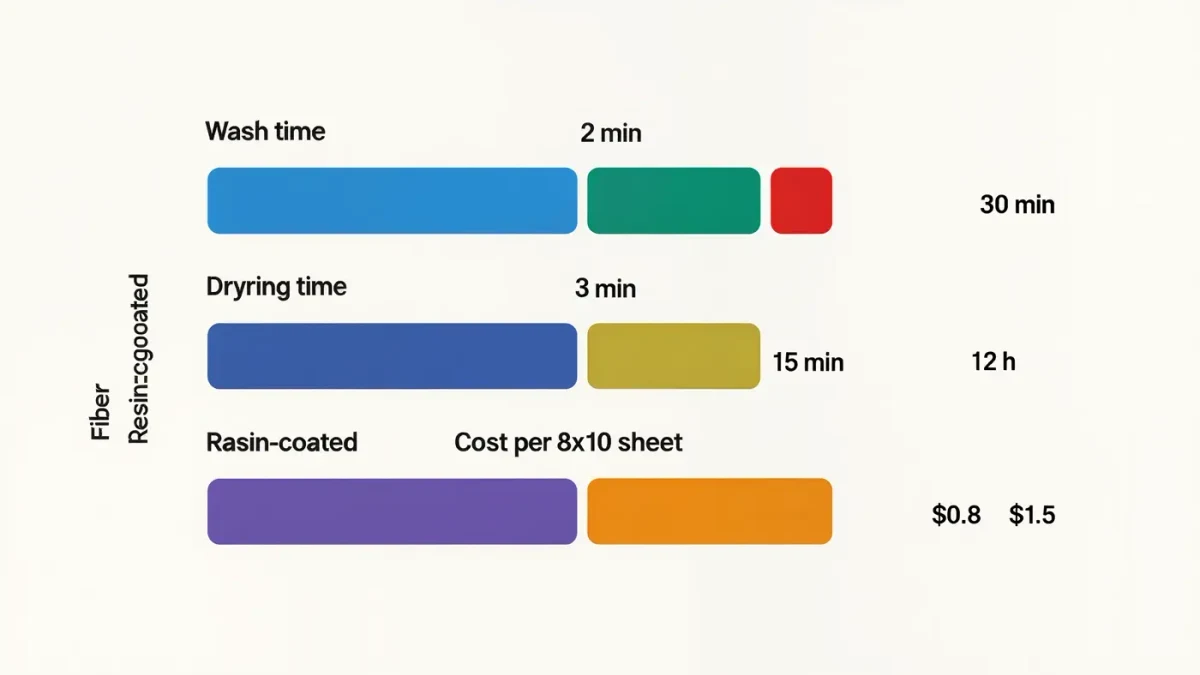
Fiber vs resin printing paper is one decision with consequences across the whole print run: washing, drying, toning, and how long prints live.
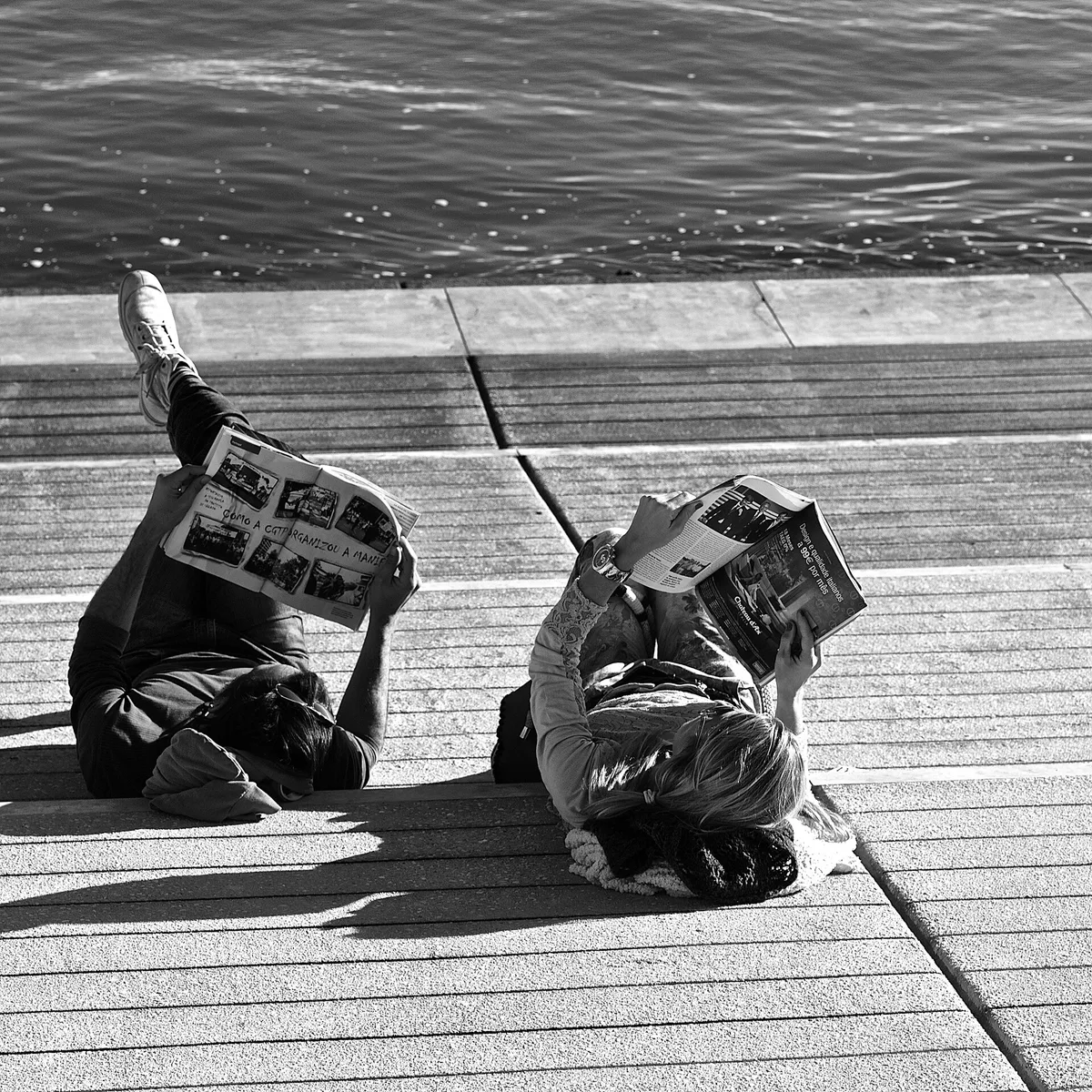
The covers you remember share a few working traits — and none of them is luck.
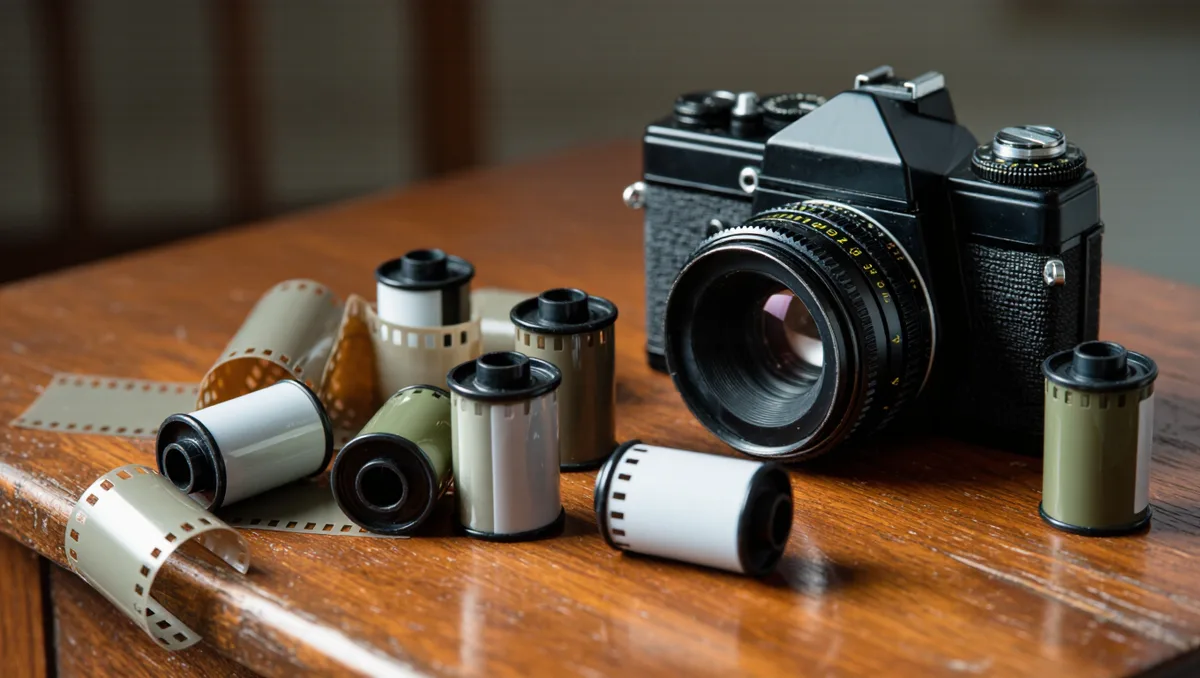
What an editorial shoot on medium format actually looks like, hour by hour, when the camera takes one roll at a time.
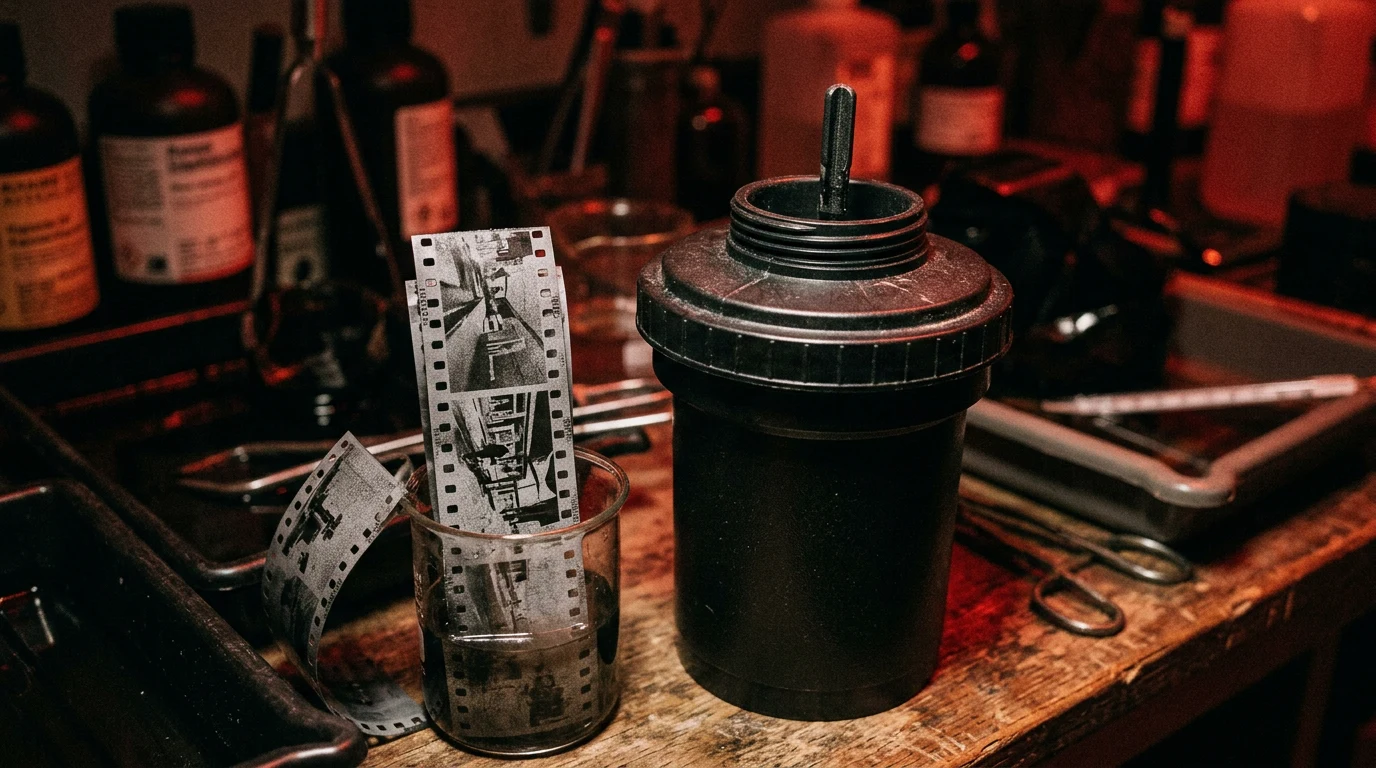
Kodak's own numbers for shooting Tri-X 400 at EI 1600, what changes in the tank, and where a two-stop push turns into a mistake.
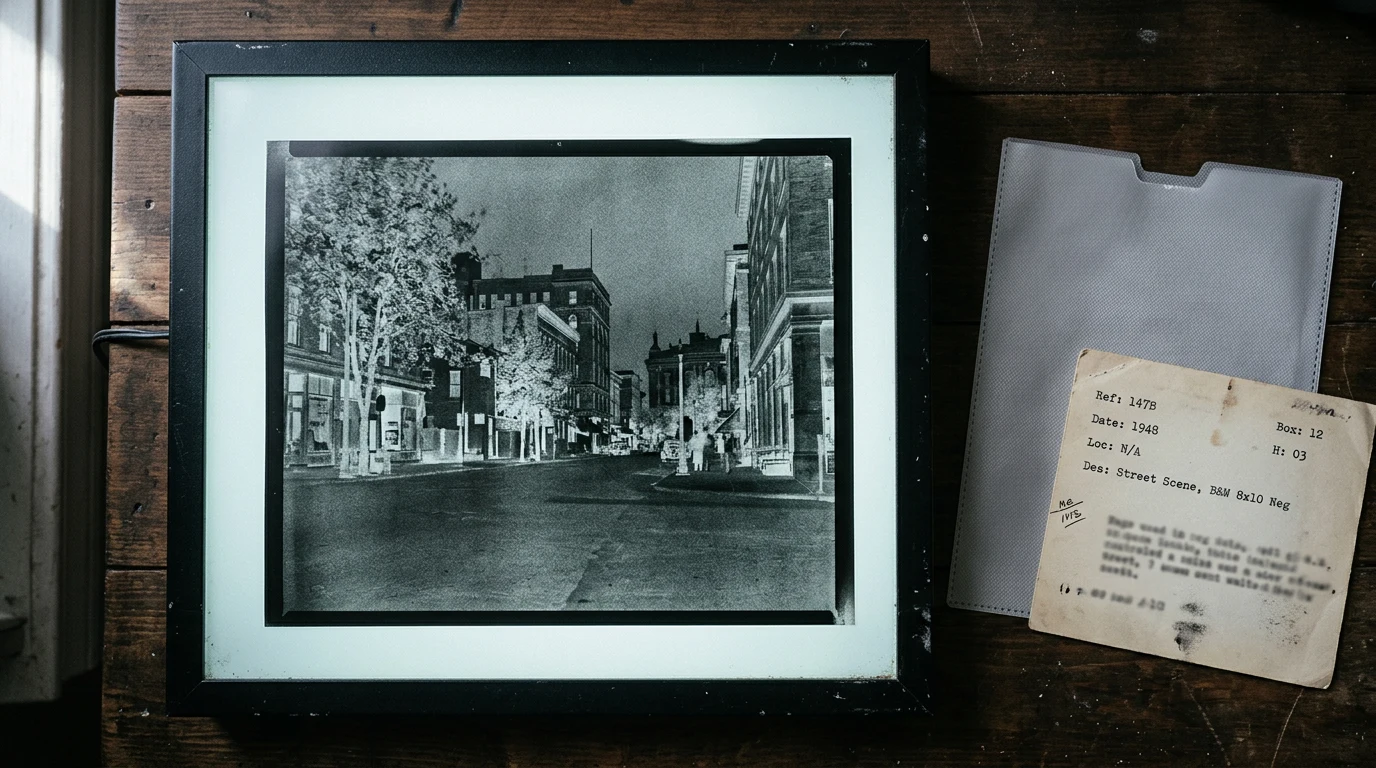
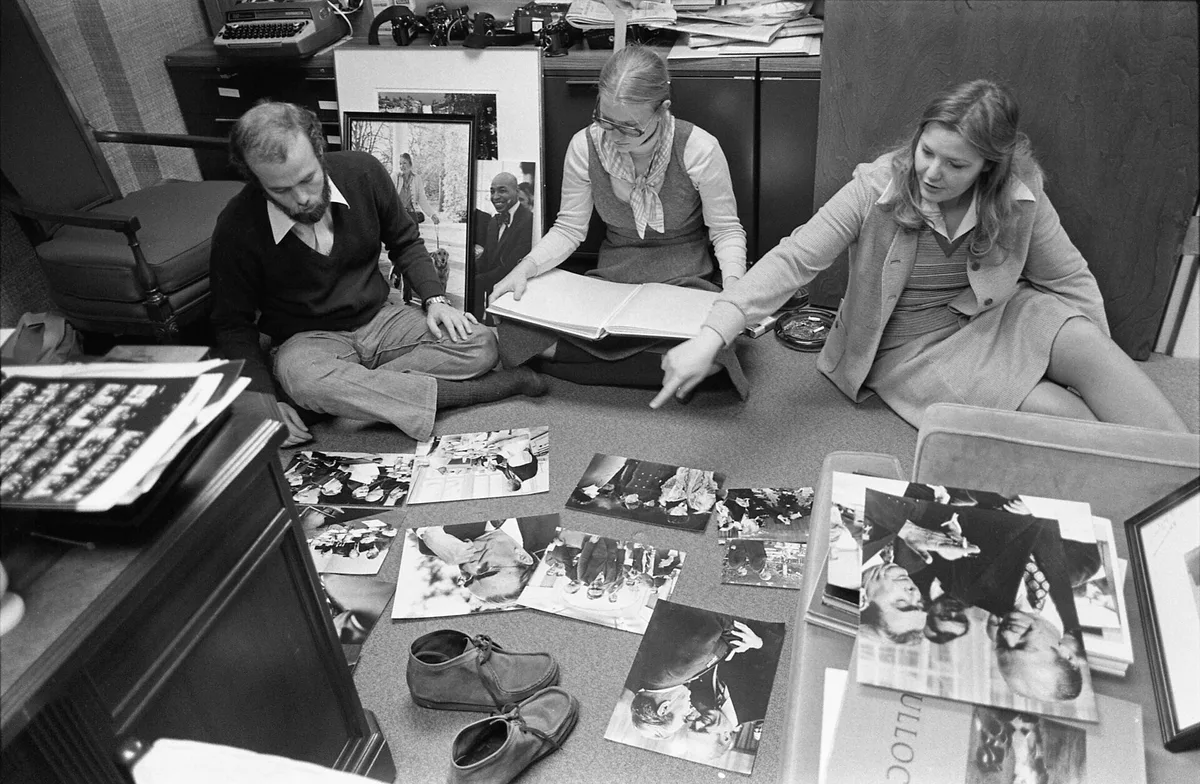
Light, color fidelity and patience: what painters, printmakers and galleries need to document work that sells and survives.
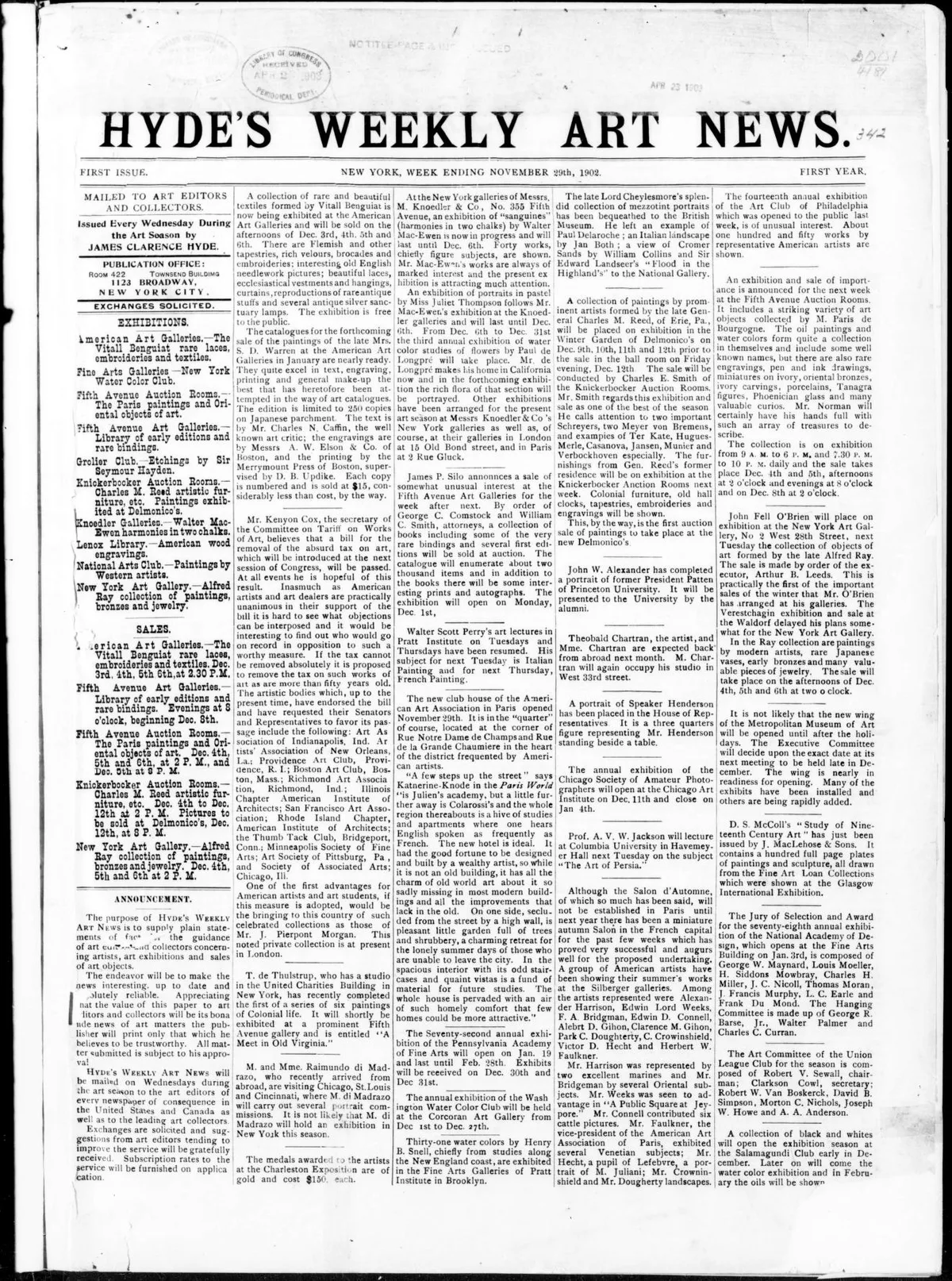
A one-hour-a-week filter system for exhibitions, auctions and artist news — built for people who shoot film, not people who trade it.
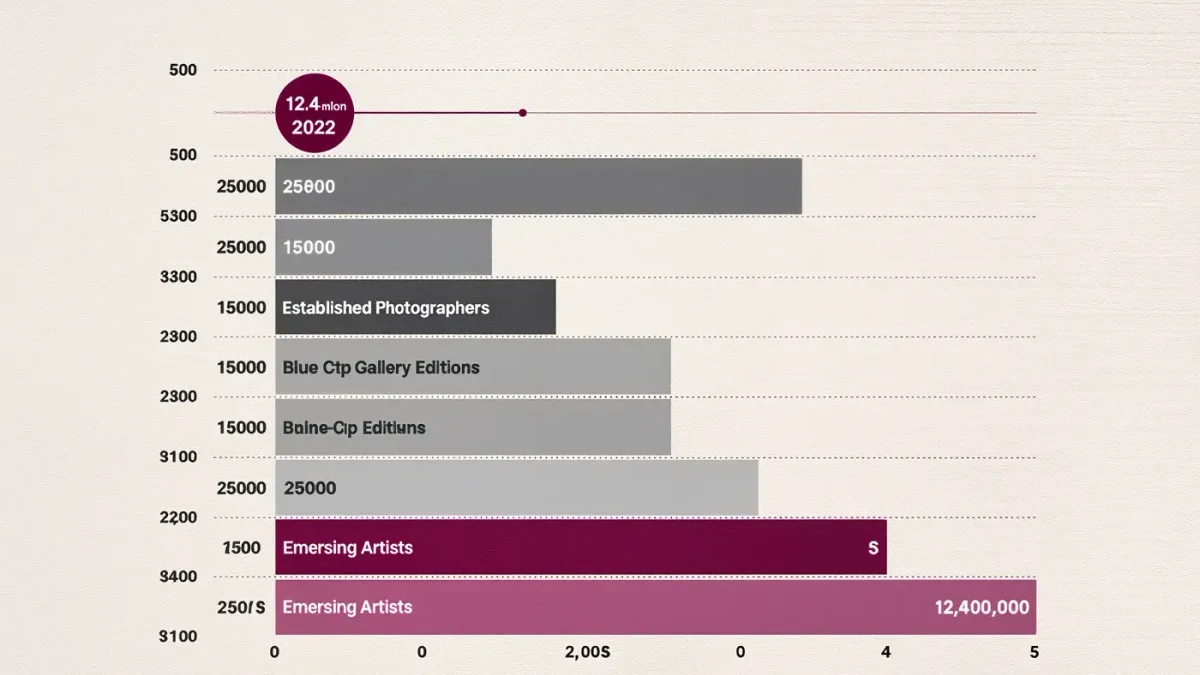
Editions, print dates and provenance — not the picture alone — decide whether a photographic print sells for five hundred dollars or twelve million.
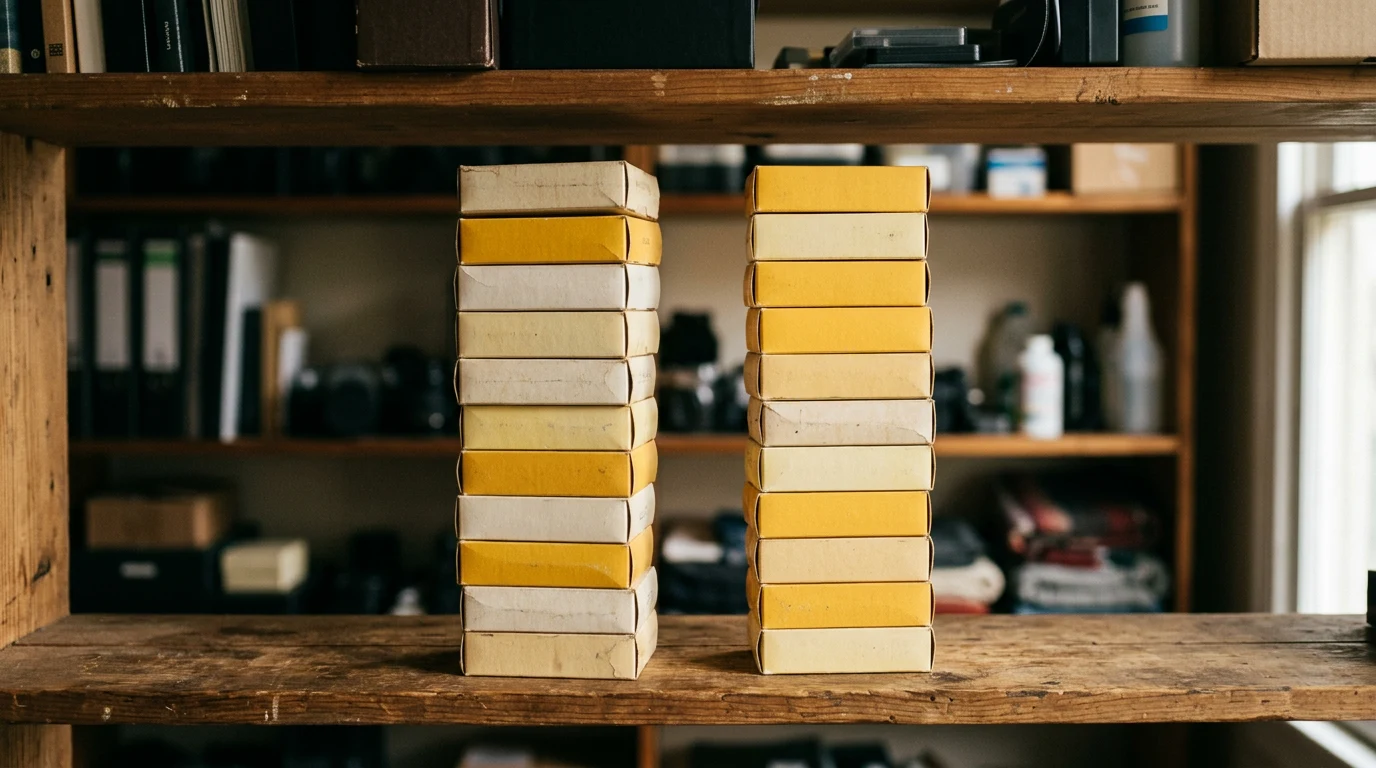
A new survey of Japanese film shooters puts Kodak ahead of Fujifilm for the first time on record, as steep Fujifilm price increases push photographers toward cheaper, fewer stocks.