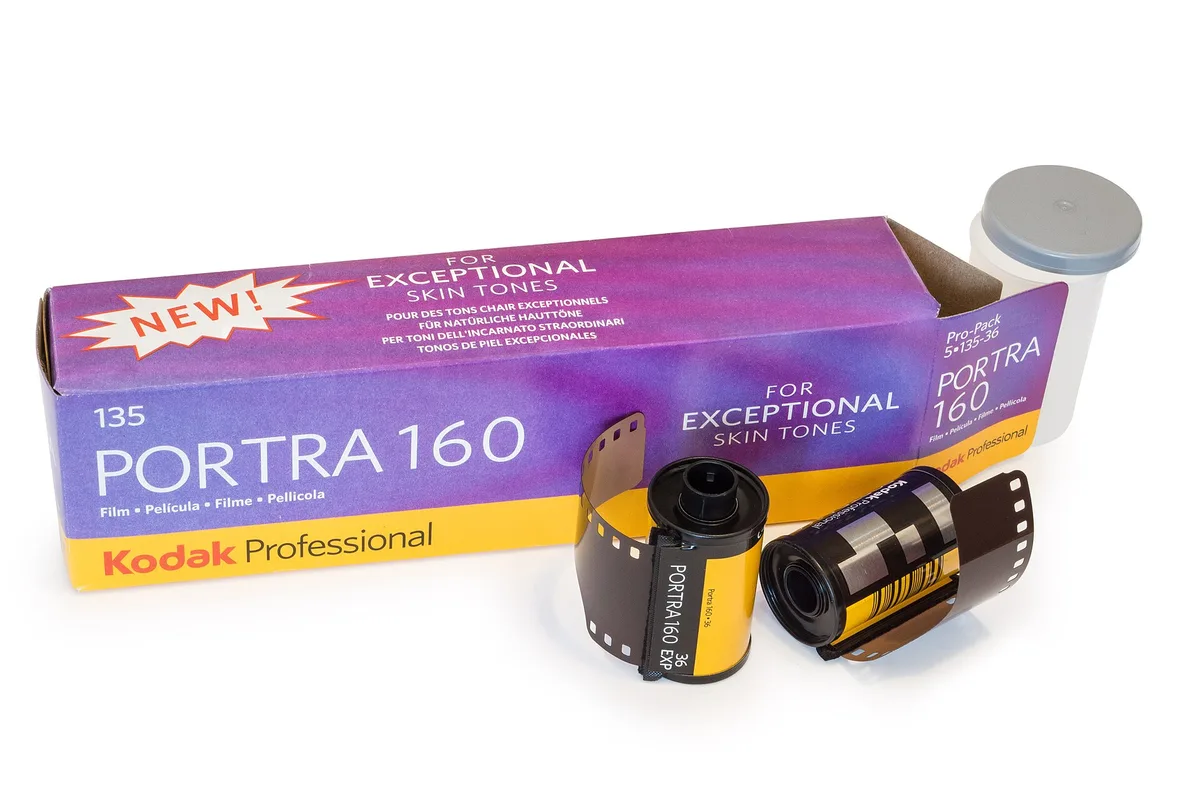
Film
Kodak Portra 160 vs 400: When the Slower Film Wins
Portra 160 and Portra 400 differ mainly in speed, and speed drives grain, light needs, and subject choice. Here is when the slower film wins.
Film stock coverage based on rolls actually exposed and developed here: grain structure, latitude, color rendering and how each emulsion holds skin tones. Includes discontinued stocks, expired batches and budget alternatives. For photographers choosing what to load before a shoot rather than reading a datasheet afterward.
Portra 160 and Portra 400 differ mainly in speed, and speed drives grain, light needs, and subject choice. Here is when the slower film wins.
Kodak's datasheet promises latitude that lets you overexpose two stops and keep shooting into the shade — here is what the documentation says, and when cheaper film beats it.
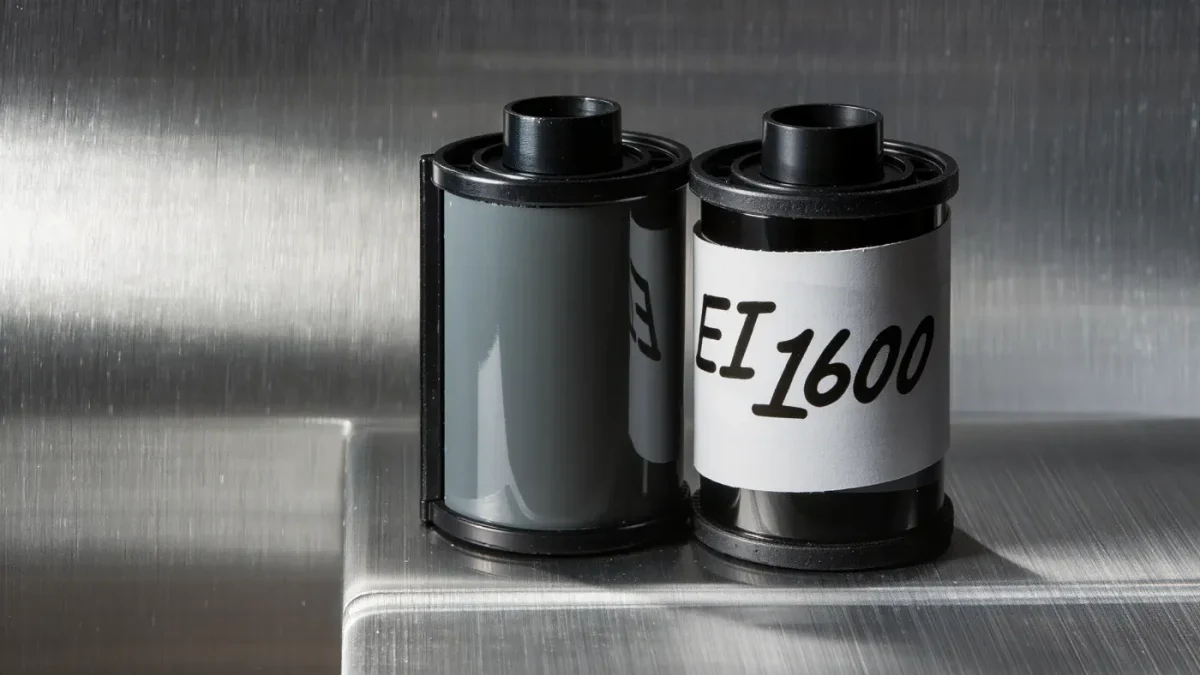
Kodak's own datasheet has a development time for EI 1600 built in. Here's the recipe, the metering logic, and the mistakes that turn a push into a wasted roll.
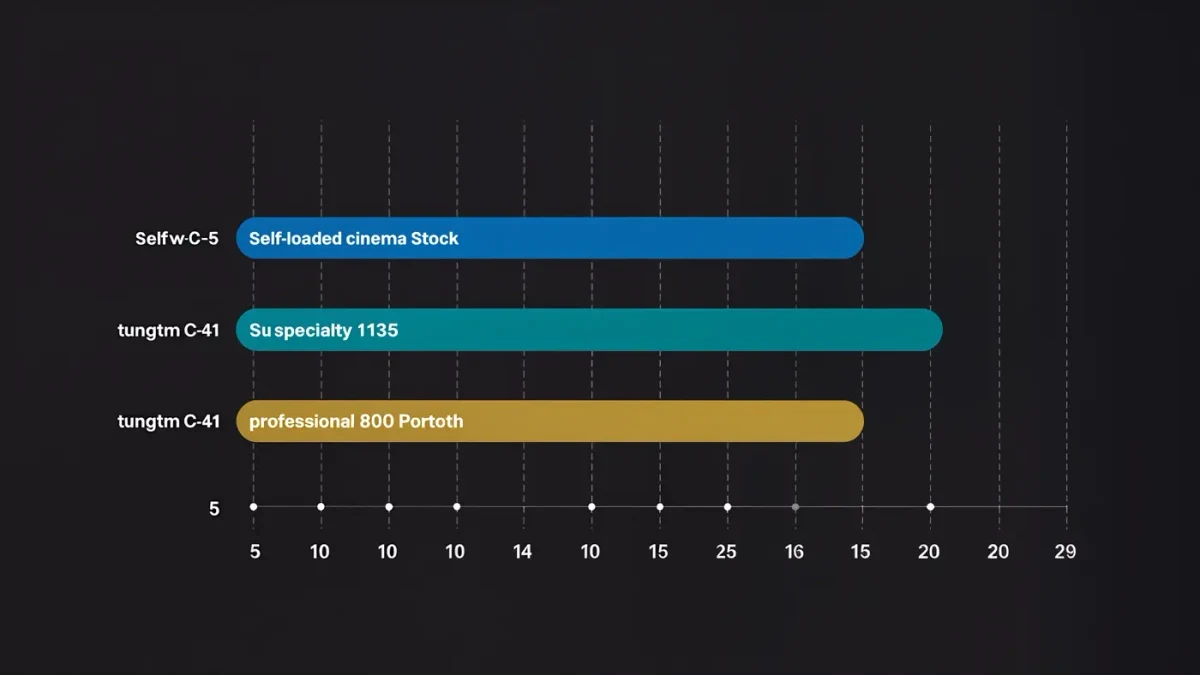
Kodak Vision3 500T lets stills shooters buy cinema stock by the foot — if they can handle rem-jet, ECN-2, and a tungsten worldview.

Fujifilm Superia 400 returned from the dead in 2024 as a newly designed consumer color film — and it still reads like summer.

Fomapan 100 is old-world emulsion chemistry at the friendliest price in the film fridge — if you meter for the film it is, not the box it ships in.
Kentmere 400 proves that cheap black and white film can still be serious film — you give up polish, not capability.
Kodak Ektar 100 delivers slide-film saturation with negative-film convenience — up to the exact point where skin tones enter the frame.

Fuji Velvia 50 rewards disciplined metering with the boldest color a transparency film has ever shipped — and punishes sloppiness without mercy.

Kodak Portra 800 is what you reach for when the light is leaving, the tripod is in the car, and skin tones still have to survive.