Art News
How to Photograph Artwork for Catalogs and Portfolios
Light, color fidelity and patience: what painters, printmakers and galleries need to document work that sells and survives.
Business coverage of the analog trade: manufacturing capacity, chemistry supply chains, lab pricing, secondhand camera valuations and the margins in selling film. Explains why a roll costs what it costs. Written for lab owners, dealers and shooters budgeting a year of photography honestly.
Light, color fidelity and patience: what painters, printmakers and galleries need to document work that sells and survives.
A one-hour-a-week filter system for exhibitions, auctions and artist news — built for people who shoot film, not people who trade it.
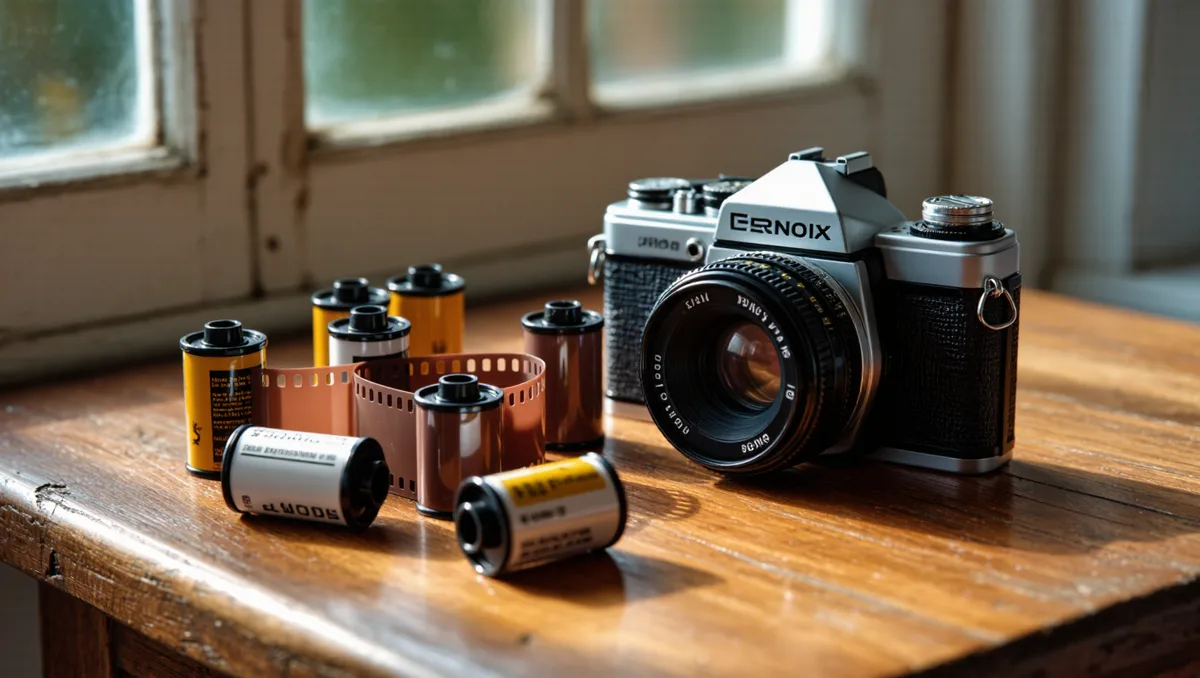
What separates a storage room with cameras from a collection worth flying for.
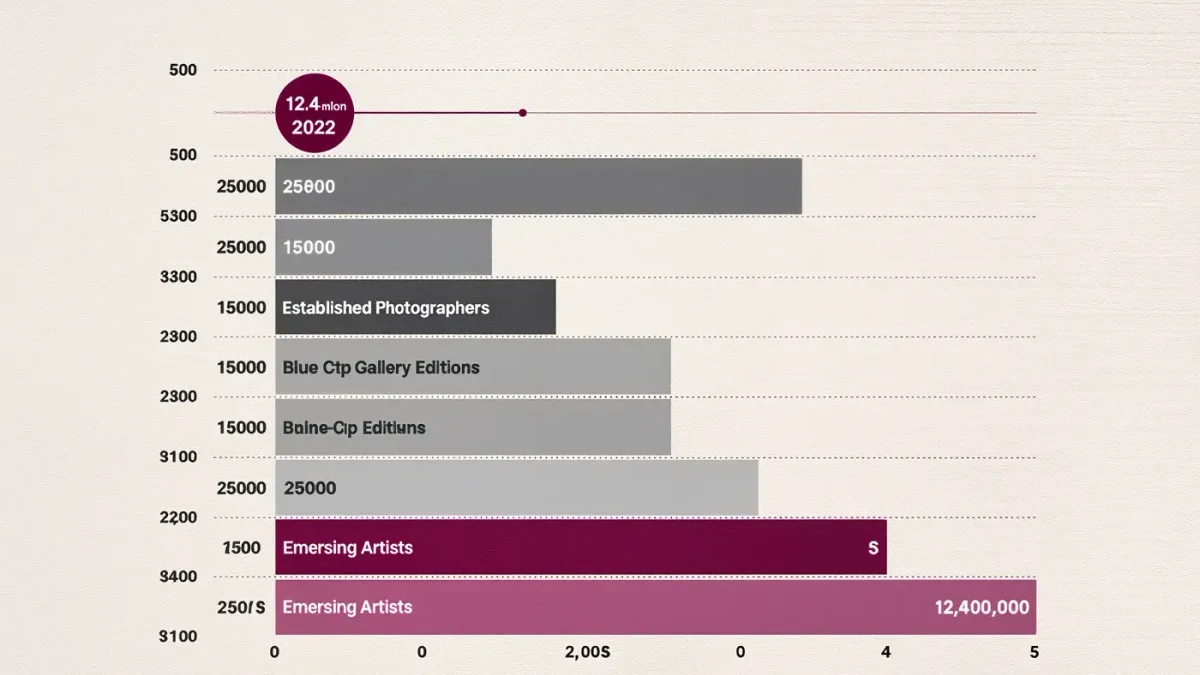
Editions, print dates and provenance — not the picture alone — decide whether a photographic print sells for five hundred dollars or twelve million.
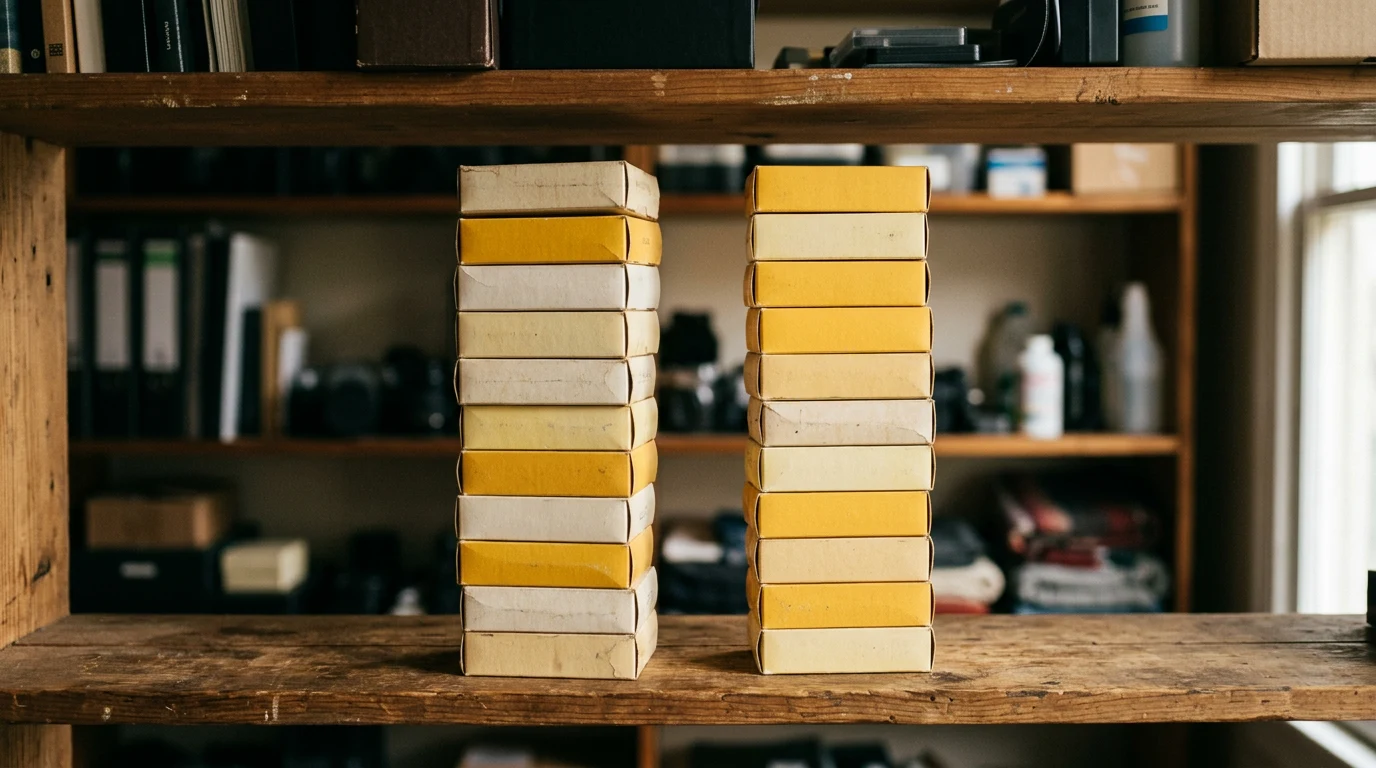
A new survey of Japanese film shooters puts Kodak ahead of Fujifilm for the first time on record, as steep Fujifilm price increases push photographers toward cheaper, fewer stocks.
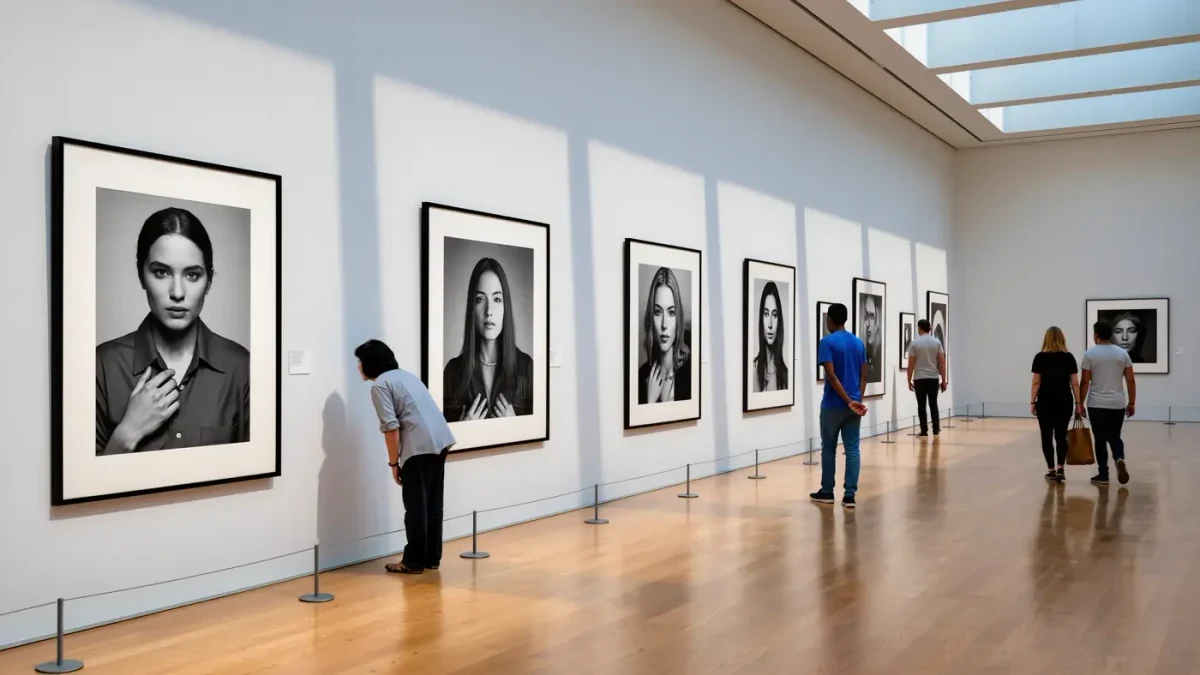
The George Eastman Museum's 900-work announcement anchors a season in which institutions kept collecting silver-era photographers, from Diane Arbus to Wayne Miller.
April 2026's New York photograph sales raised about $12.7 million across three houses, with Phillips' Salgado session out front and a Helmut Newton trophy passing at Sotheby's.
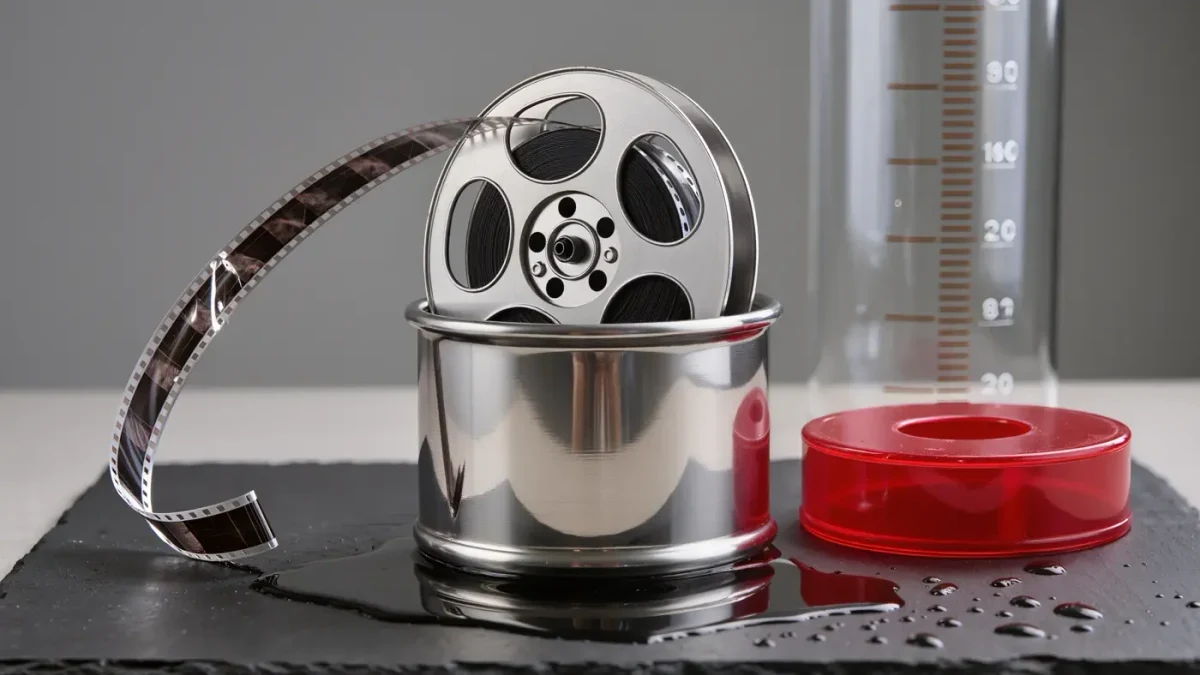
Two to four dollars a roll in chemistry versus twelve to eighteen at the lab: the honest break-even math for developing black-and-white, color negative and slide film at home, as of 2025.
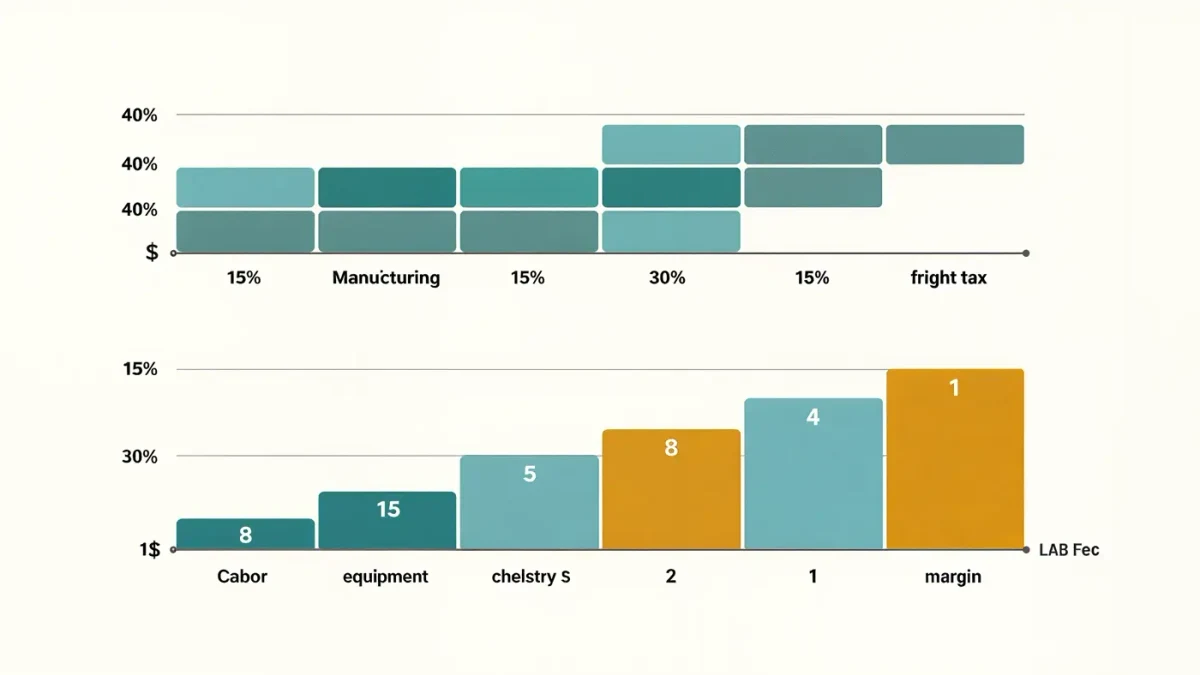
Thin manufacturing margins, healthier retail and lab service economics, and a secondhand market that bypasses makers entirely — where the film revival's money actually lands.
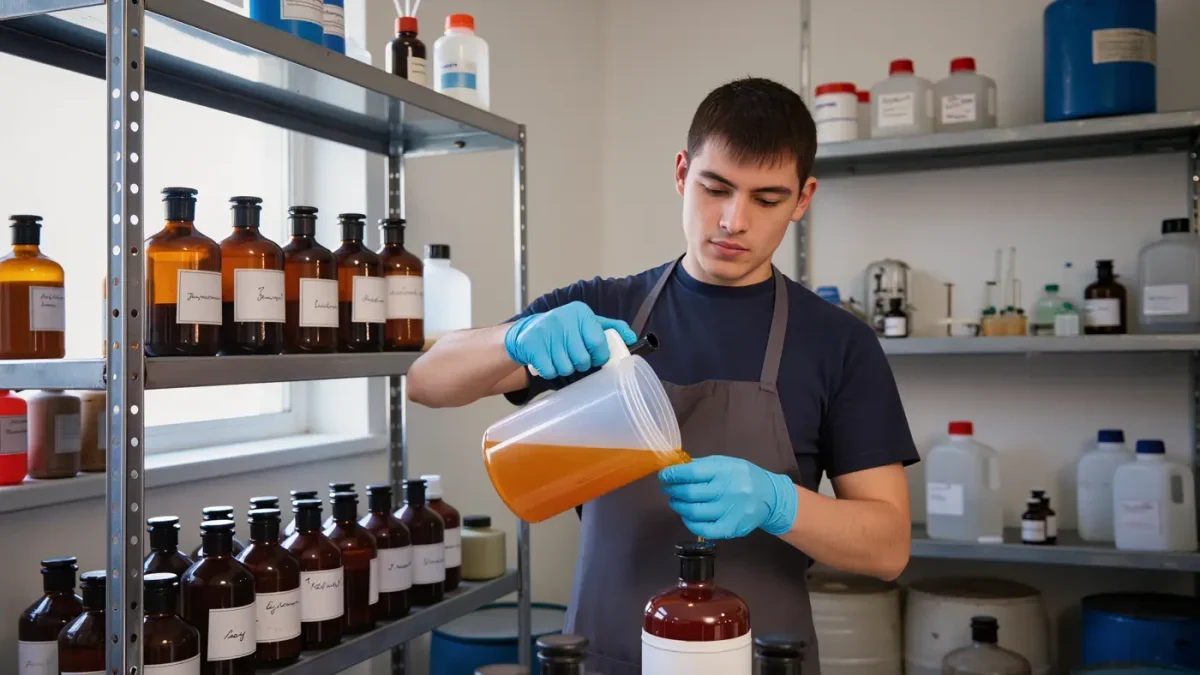
Photo chemistry is a rounding error in the global chemical industry, which is exactly why developer and fixer keep vanishing from shelves.