Labs close when their fixed costs outrun their volume, and the 2020s have been one long stress test of that equation. When Fujifilm Japan suspended domestic orders for its color films in March 2023, citing raw-material shortages, labs everywhere felt the tremor. The deeper pattern is older: the walk-in, one-hour minilab quietly stopped paying its rent years ago.
What kind of lab closes first?
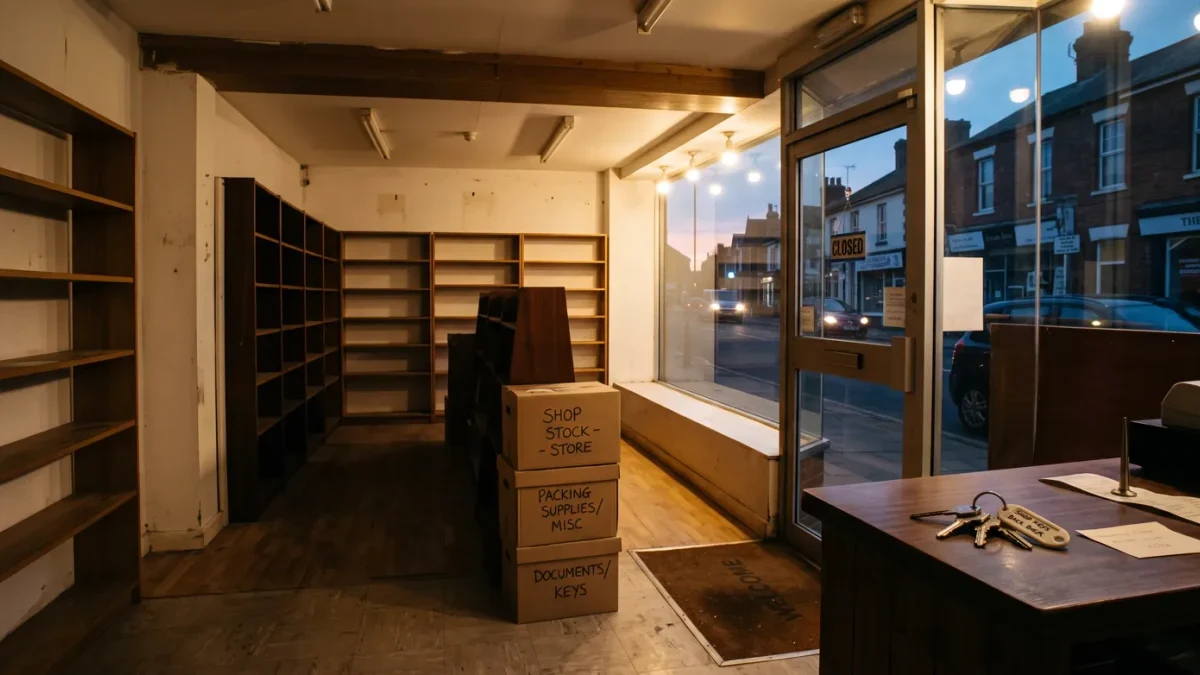
The first to go is the single-machine operation with no niche: one minilab, one counter, a price list that starts and ends with develop-and-prints. A minilab is not a friendly machine for low volume. Color chemistry has a working life once mixed, so a lab that runs a handful of rolls a day either discards partly used chemistry or pushes expired baths — both of which cost money or quality, and usually both.
Volume is everything in that business. The classic minilab economics only worked when cameras were everyday objects and the machine ran all day, every day, amortizing itself across thousands of rolls a year. Once weekly volume fell below the machine's appetite, every idle day was pure loss: rent, power, maintenance contracts, and chemistry that aged whether film came through the door or not.
Why didn't the film revival save every lab?
Because the revival did not distribute itself evenly. Demand for developing did rise through the 2020s, but much of it pooled at a small number of high-volume mail-order labs that could offer consistent scans, fair turnaround and online ordering. The Census Bureau's Service Annual Survey, which tracks receipts across service industries including photography services, captures the consolidation pattern common to retail services generally: fewer, larger operators absorbing demand.
The product also changed. Shooters who came to film through the revival wanted scans, not prints — a service that fits a specialist with a good scanner far better than a corner minilab designed to end every roll in envelopes of 4x6 prints. Labs that kept pricing around prints, and treated scanning as an afterthought, watched their new customers mail their film elsewhere.
What actually kills a lab?
Three forces usually arrive together. First, equipment age: the Fujifilm Frontier and Noritsu minilabs that anchor most labs were built in an era when new machines sold in volume, and parts, electronics and qualified technicians have all grown scarce. A single major failure can end a lab that has been profitable for years.
Second, supply shocks. The March 2023 Fujifilm suspension showed how quickly a lab's assumptions can break: when the maker of film and chemistry pauses orders in its own country, labs elsewhere stockpile, substitute and absorb price increases. Chemistry and paper costs moved repeatedly after 2021, and every increase had to be passed to customers who were already surprised by film prices.
Third, the human cliff. Many labs are owner-operated businesses with one person holding the knowledge — the person who can fix the processor at midnight and still open at nine. When that person retires, the business often retires with them, because a minilab without its mechanic is scrap and a customer list without the shop is just a spreadsheet.
What keeps the survivors busy?
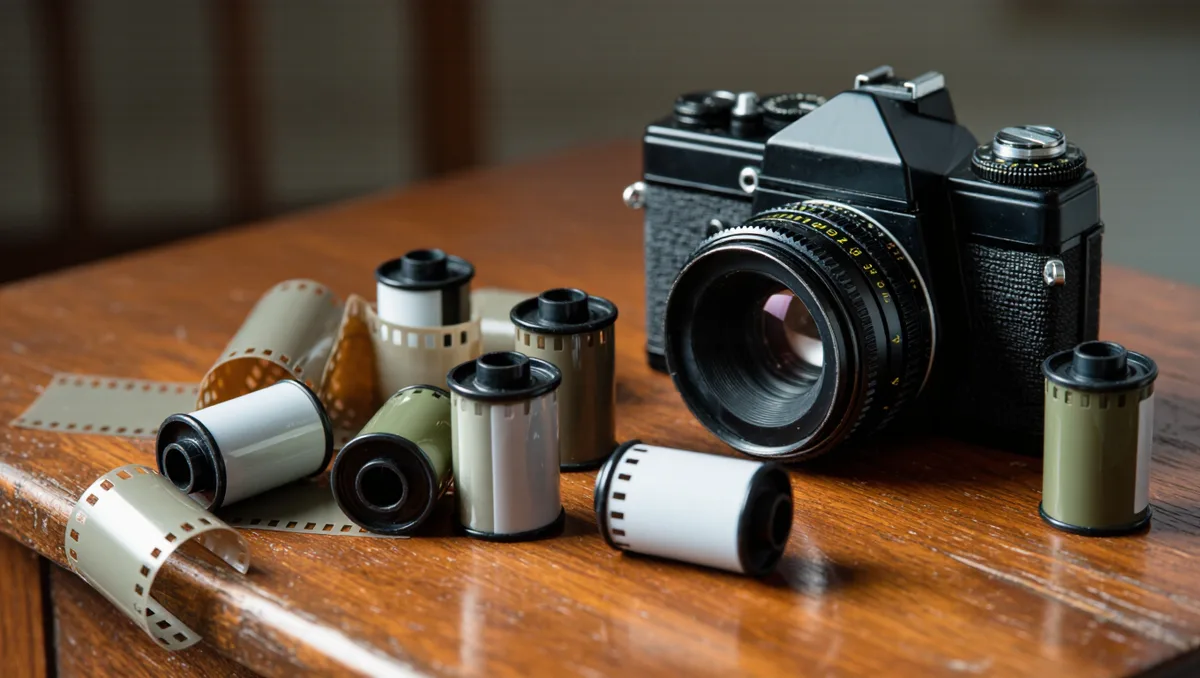
The healthy labs of the mid-2020s look nothing like the one-hour counters of the 1990s. They run broad service menus: develop-and-scan as the default product, explicit push and pull options, ECN-2 development for the movie stocks shooters love, medium and large format handling, and often a retail shelf that turns film stock over fast enough to keep prices honest.
The other survivor asset is community. Labs that host events, teach beginners, or simply remember that a first roll is a nervous purchase have converted the revival's newcomers into regulars. That regular base — shooting monthly, dropping film in person, buying film at the counter — is the demand that pays for the machine's idle Tuesdays. Pricing transparency converts strangers too: labs that publish turnaround times and scan resolutions online book orders from shooters who never visit in person, while a price list hidden behind a counter does the opposite. The surviving lab is, in practice, a small logistics business with chemistry attached, run by people who answer email.
How do you keep your local lab alive?
- Develop there, even if scans are slightly slower than a mail-order giant; turnaround is the trade you make for keeping the machine running.
- Buy film at the counter when the price is within reason — retail margin is what subsidizes the processing side.
- Pay for the scan tier you actually want instead of bargaining dev down to nothing; scans are the product that pays the staff.
- Bring your odd jobs home: pushed rolls, off-format film, that half-frame camera nobody else will touch. Odd work is what specialists are for.
The honest read on closures is that they are not a verdict on film's health. Demand for developing is real and durable; it simply no longer supports a minilab on every high street. What it supports is fewer, better labs with broader skills — and, increasingly, a darkroom habit of your own for the nights the counter is closed.