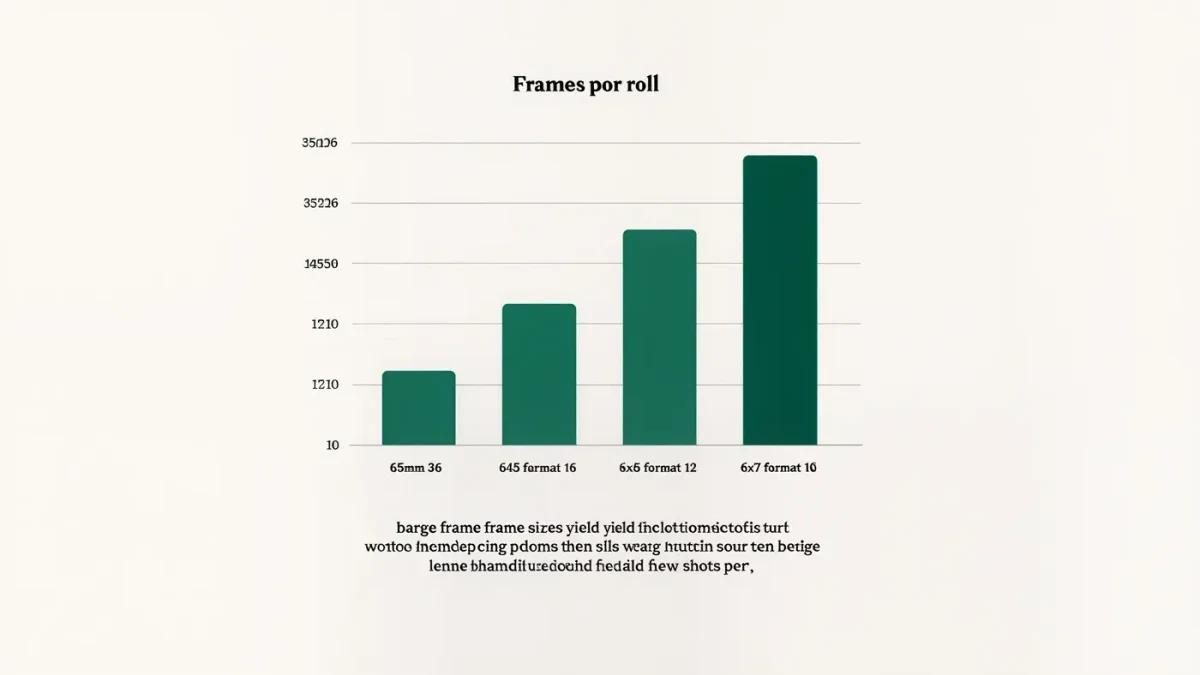
Buy one if image quality outranks convenience, because nothing else this cheap makes 6x7 negatives so pleasantly. This Mamiya RZ67 medium format guide walks the purchase decision honestly. Per Mamiya's specifications, the 6x7 frame yields ten exposures per 120 roll, and the rotating back that defined the system arrived with the 1982 original.
What is the Mamiya RZ67, and why does it still command respect?
The RZ67 is a 6x7cm single-lens reflex built around three ideas: a bellows built into the body, so every lens focuses close without tubes or extension rings; a film back that rotates ninety degrees between portrait and orientation changes without unlatching; and leaf shutters built into every Sekor lens, which synchronize with flash at every speed up to 1/400. The electromagnetic shutter release requires battery power, one 6V silver-oxide cell in the grip of the body, per the manufacturer's specification sheet.
The system logic is what still earns devotion. Finders interchange, from the standard waist-level hood to metering prisms; film backs interchange mid-roll; and the rack-and-pinion focusing with a large knob feels like operating a machine tool. A 1993 revision sold as the RZ67 Professional II refined the focusing rack and added a fine-focus knob, and later Pro IID versions prepared the system for digital backs, though film is this camera's natural language. Weight is the honest number: body, 110mm f/2.8 lens, and waist-level finder together run well over two kilograms per Mamiya's published figures.
Medium format earned its reputation partly in orbit, where Apollo missions carried Hasselblad bodies shooting 70mm film; the scans in NASA's public image library still show what larger negatives deliver. The RZ67 brings that negative scale down to studio prices.
What should you inspect on a used RZ67?
Because the system is modular, you are really buying three items, body, back, and lens, each with its own failure modes. Check them separately and price them separately.
- Body: test the bellows for pinholes by shining a torch inside in a darkened room and looking for light through the folds; run the focusing rack end to end feeling for tight spots; confirm the mirror cycles firmly.
- Film back: inspect the light seals around the dark-slide slot and shell, fire the back empty with the slide out, and ask about frame spacing on the seller's last roll, since backs are the system's most common overlap culprit.
- Lens: fire every shutter detent from long speeds to 1/400, checking that each engages; watch the aperture blades snap clean; inspect elements front and rear for fungus and separation at the edges.
- Electrics: fit a fresh 6V cell and confirm the release and the metering finder, if included, respond; ask whether the body drains cells quickly, a known aging quirk.
Backs are cheap relative to bodies and lenses, so a tired back is a mild problem; a body with damaged rack or a lens with shutter faults is the expensive kind. The 110mm f/2.8 Sekor Z is the standard lens for good reason and the one to buy first.
Where does the RZ67 honestly hurt?
Weight first, always. This is a tripod camera with a handle, not a carry-all-day body, and the mirror returns with a resonant clunk that announces every frame. Battery dependence means a dead cell stops everything, though spare cells are small enough to live in the film bag. Each 120 roll delivers ten frames, and at as-of-2025 pricing, film plus developing and scans commonly lands the whole roll around $20-30, so each press of the release costs roughly two to three dollars. That arithmetic changes how you photograph, which is either the point or the problem.
The waist-level finder presents a laterally reversed image until you add a prism, and prism finders add weight and cost. Repairs remain feasible, with technicians who know the system well, but parts availability is gradually thinning as Mamiya's medium-format era recedes.
A note on storage and care: the RZ rewards a dry cabinet or at least a sealed box with silica gel, because bellows and shutter mechanisms object to humidity over the years. Cycle the shutter and rotate the dark slide every few months in storage. Cameras this age are happiest when used; an RZ that sits unused for a decade is the one that arrives stiff, and stiff is expensive.
Who should actually buy one?
Studio portraitists, product shooters, and deliberate outdoor workers who work from a tripod and want maximum negative for minimum digital spend. Students of printing benefit most: a 6x7 negative contacts and enlarges with a richness 35mm cannot match, and the rotating back means composition decisions stop being contortions. Choose the RZ67 over lighter 645 and 6x6 options when print size and tonal depth are the mission rather than the bonus.
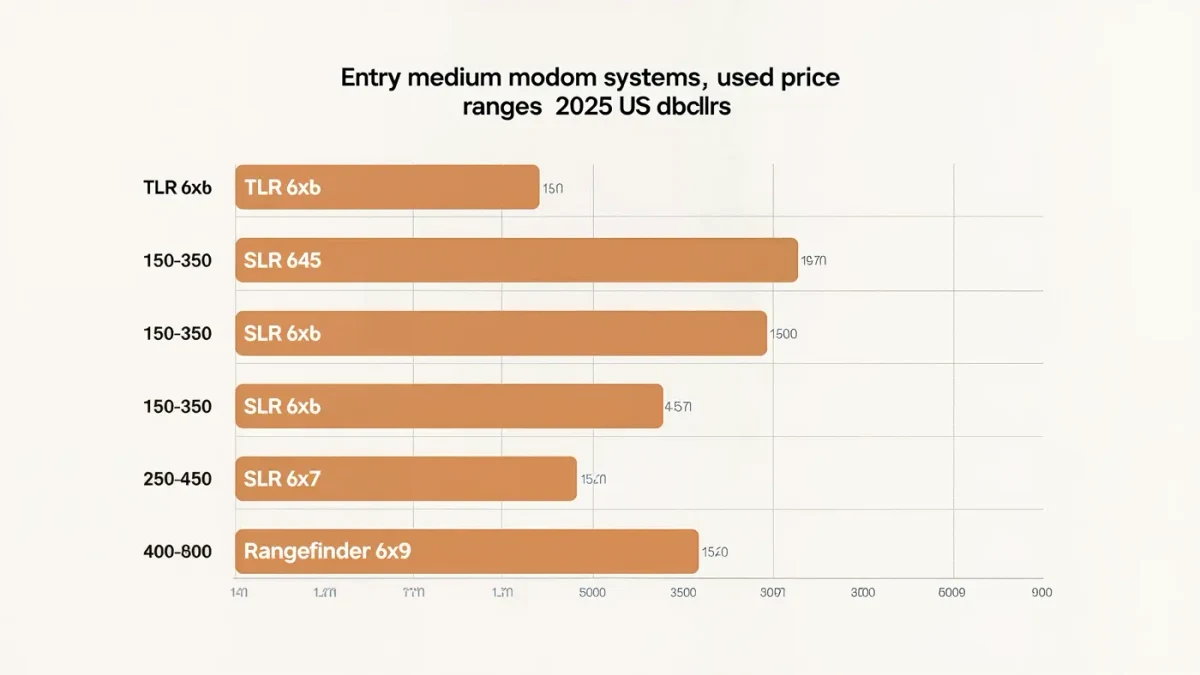
As of 2025, complete RZ67 kits with body, 110mm lens, waist-level finder, and one back commonly run $400-800 on the used market, with extra backs and finders inexpensive once you own the core. Against a Mamiya 7 you trade portability and a sharper-on-paper lens for system flexibility and half the price; against a Bronica SQ-A you trade lightness for negative size.
How does the RZ67 compare with its real rivals?
Against the Mamiya 7, the rangefinder legend of the format, the RZ67 trades portability and edge-to-edge sharpness for through-the-lens composing, close focus without accessories, and a price that as of 2025 runs roughly half of a comparable Mamiya 7 kit. Photographers who walk far buy the 7; photographers who set up and stay buy the RZ. Against the Bronica SQ-A the argument is negative size versus weight, 6x7 against 6x6, with the Bronica meaningfully lighter and cheaper but a step short on frame area, which matters exactly as much as your intended print sizes say it does.
Inside the system, buy the 110mm f/2.8 first, a second film back second, and a spare dark slide third. Every back needs its slide inserted to come off, and slides get lost, bent, and left in place, producing the classic blank-frame lesson every RZ owner learns exactly once; buying the spare in advance writes that lesson off cheaply. The 65mm for interiors and the 180mm for compressed portraits are sensible later steps, each still affordable because the professional market that bought them new has largely moved on to digital.
Is the Mamiya RZ67 worth it for a first medium-format camera?
It is if your work stands still: portraits, products, patient scenery work from a tripod. It is not if you like walking far or shooting quickly. Inspect body, back, and lens as separate purchases, respect the two-kilogram reality, and the RZ67 repays you with ten frames per roll that behave like small paintings. Few camera purchases this cheap still deliver that.