Film street photography sits on a simple legal base: in most public places it is allowed, and the hard limits are ethical, not technical. Wikipedia defines the genre as pictures of chance encounters and random incidents in public places, and traces the first street figure to 1838, when Daguerre captured a Paris boulevard from his studio window.
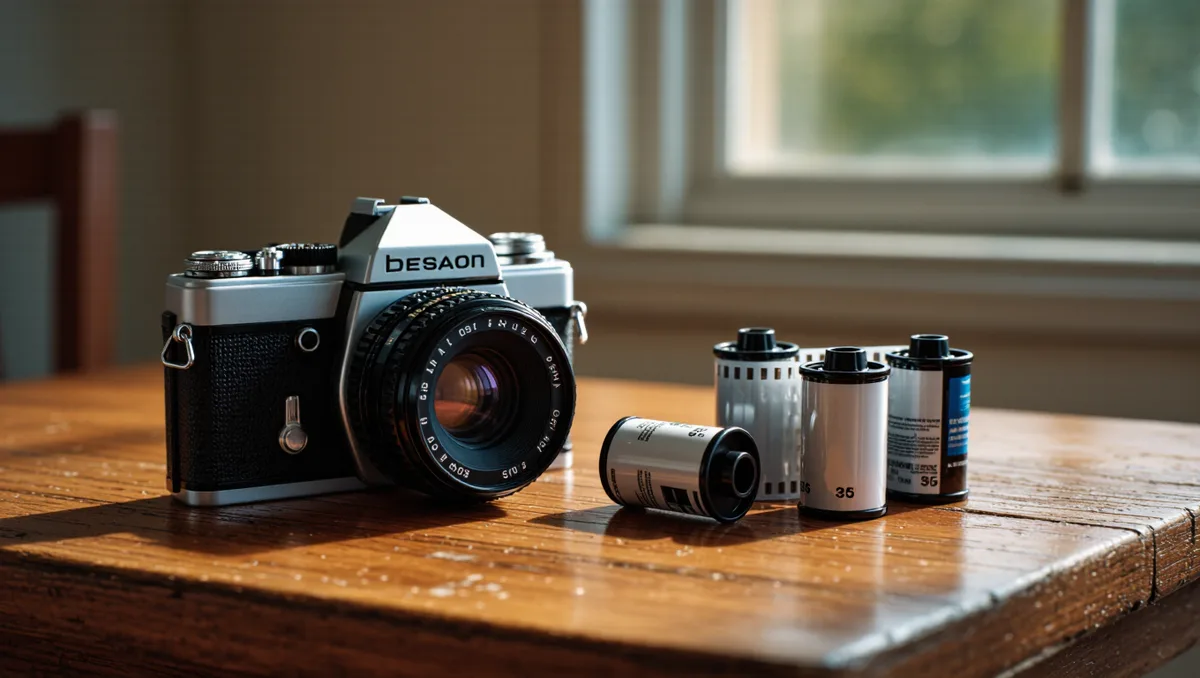
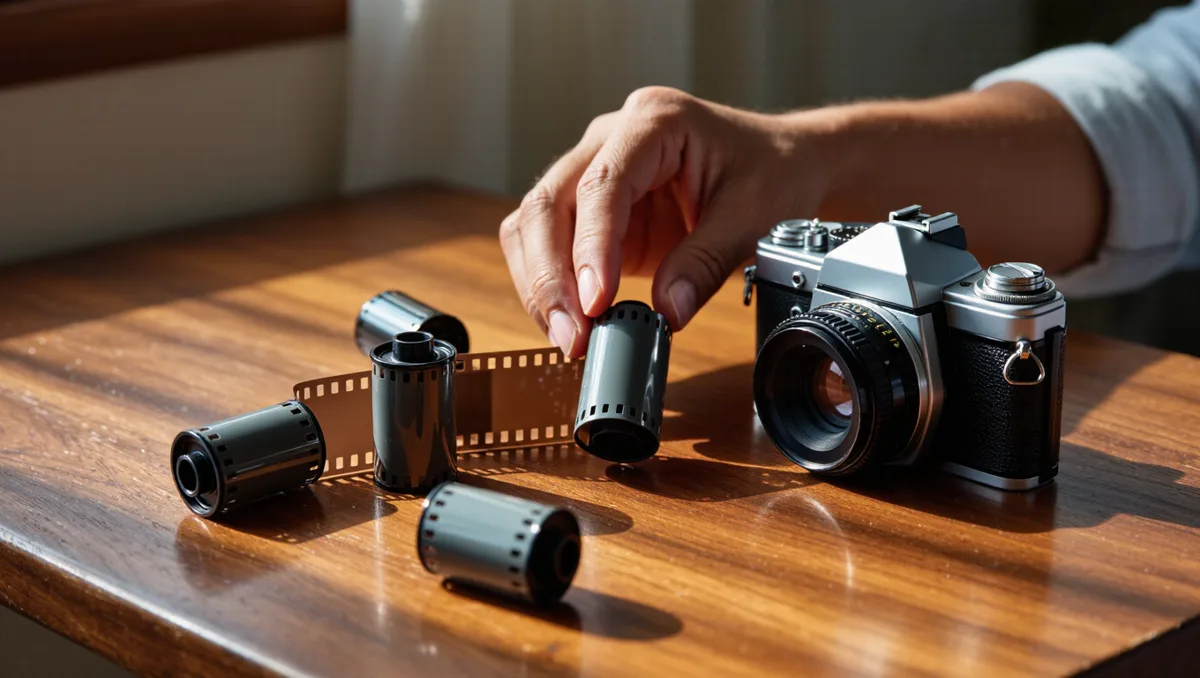
The genre also grew up on film for a plain mechanical reason. The Leica, first sold in 1925, was the first commercially successful camera to use 35 mm film, per Wikipedia's history, and its compact size made candid work practical. A small metal body and one loaded roll still discipline an eye better than any burst of frames. That small size is still the whole trick. Readers following this should also see How to Choose Your First Film Camera: A Beginner's Guide.
What the Law Actually Says
The short version comes from Wikipedia's country-by-country legal overview: in the United Kingdom there are no laws forbidding photography of private property from a public place, and in Australia anything or anyone in a public place can generally be photographed without permission. The Metropolitan Police state their own advice plainly: members of the public and the media do not need a permit to film or photograph in public places. Police have no power to stop them. Where a photographer stands matters more than what falls inside the frame. Public place is the phrase doing the work here.
Where Ethics Takes Over
Legal is not the same as kind. The same overview records that privacy laws protect people where they can expect privacy, and that reactions to photography range from complaints to violence even where the act is not illegal. A stranger with a face carries a story the photographer did not live, and deciding when that story is fair to publish is the genre's daily judgment. No statute makes that call for anyone. Courtesy is the part a camera cannot supply. Even squares carry fine print: Trafalgar Square and Parliament Square in London hold a specific provision against commercial photography without written permission, the overview notes.
Why Film Still Suits the Street
Much of what counts as definitive street photography was made between the end of the 19th century and the late 1970s, a period Wikipedia's history of the genre ties directly to the rise of portable cameras. Film keeps that inheritance alive. One roll holds a fixed count of frames, so each press counts. The camera rides a shoulder quietly. And the wait before the scan or the print builds patience, the exact habit street work rewards.
Courage, Practiced Like a Craft
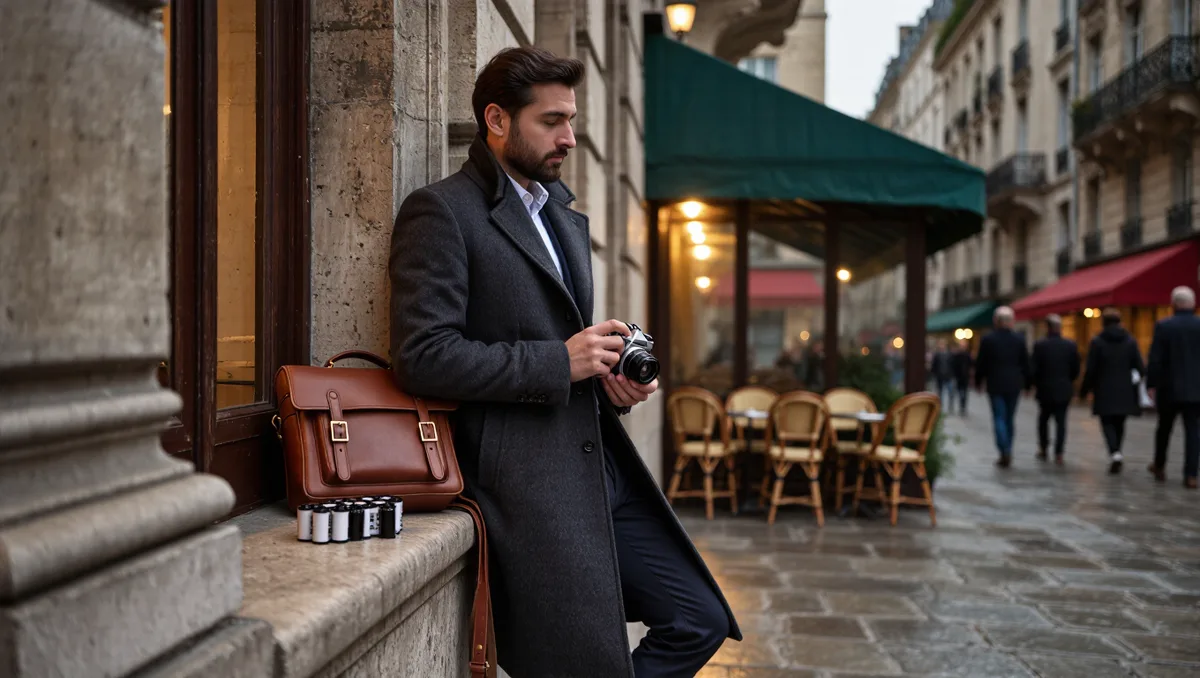
Courage here is mostly preparation with a calm face. Walk at an even pace in places where cameras already appear. Keep the body small and the lens ordinary. Make the frame, and if a subject objects, lower the camera and talk. Nerves settle with routine. In Australia, per the same overview, a photographer generally cannot be forced to show or delete images unless the practice broke the law, yet a short honest conversation settles more than any argument about rights. This connects to our earlier piece, First Medium Format Camera: Start Here.
The Roll as a Teacher
Film adds one more discipline that endless storage removes. A roll holds a fixed count of frames, so the shutter becomes a decision instead of a reflex. Street work runs on exactly such decisions: watch the light, read the crowd, choose the moment, press once. The finished roll holds a small set of frames, and the contact sheet shows where attention actually went.
Conclusion: The Frame Belongs to the Patient
Street photography on film asks for three things at once: know the law of the place, honor the person inside the frame, and keep the nerve to press the shutter anyway. The equipment is the easy part, a compact body and a roll. The rest is conduct, and conduct is what separates a street photographer from a bystander with a camera.