Point and shoot film cameras are cheap fun until the name gets fashionable. A humble autofocus compact makes easy, happy rolls, while a titanium Contax T2, introduced in 1991, has become the trophy of the genre, as Wikipedia's Contax T entry records. The trap is buying the trophy first.
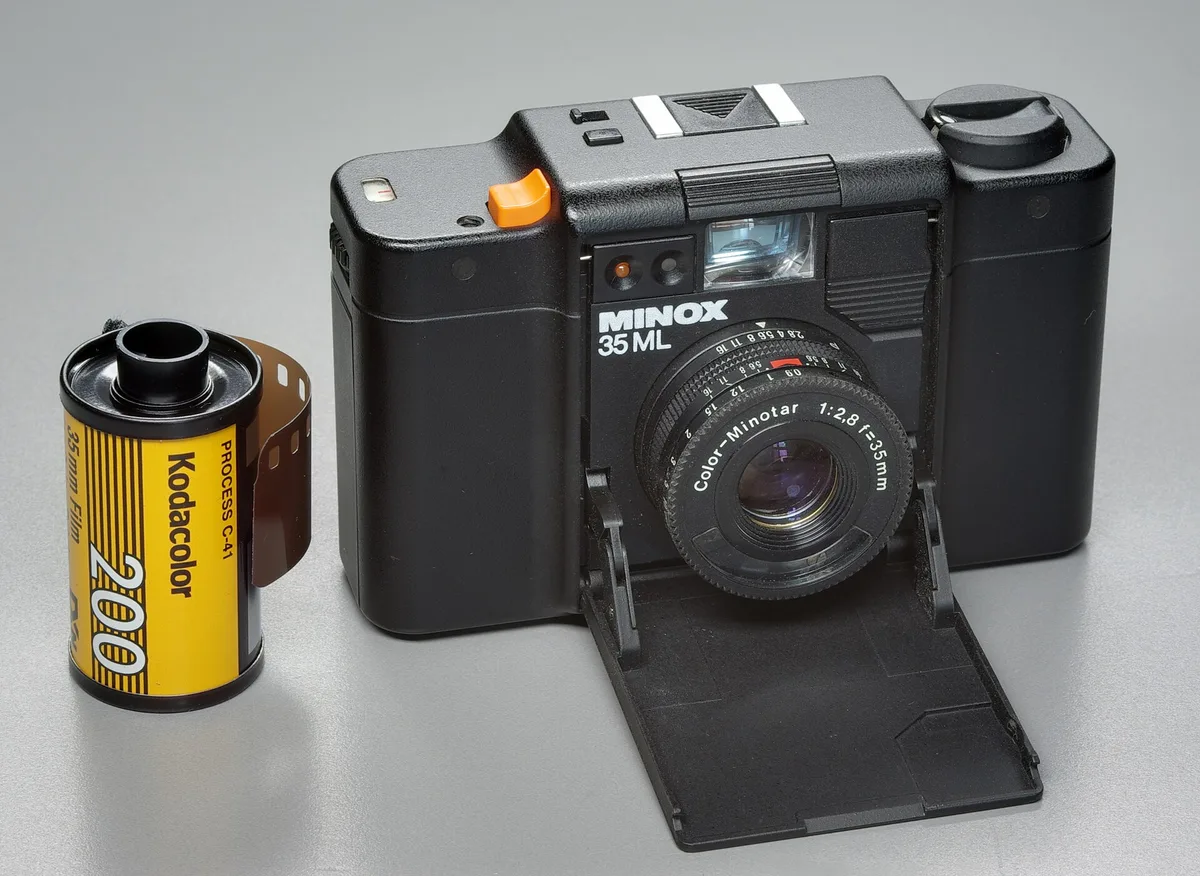
The good news is that the fun tier costs little and shoots happily. The genre was built for snapshots, parties, and vacations, not for spec sheets. Wikipedia's point-and-shoot entry describes the type as a camera designed primarily for simple operation, usually with autofocus or a focus-free lens, automatic exposure, and a built-in flash.
Why the Humble Compacts Still Deliver
These were the most common standalone cameras for decades, per the point-and-shoot entry on Wikipedia, and the design still earns its keep. Set the film, fire the flash when the room goes dim, and let the autofocus do the thinking. That is the whole job, and it leaves a shooter free to watch the party instead of the dials.
Sales collapsed after about 2010 as phones took over, the same entry notes, which is exactly why the fun tier is cheap now. Millions of sturdy little cameras sit in drawers and on thrift shelves. Most were never abused, because nobody carried them into bad weather. A roll of film is all the test drive they need. Readers following this should also see Cameras for Photography — How to Choose Your First Film Camera: A Beginner's Guide.
The charm is speed. A compact rides in a coat pocket, wakes fast, and shoots from the hip. Most of these cameras meter the scene and set the flash on their own, so the shooter just frames. That ease is why they ruled vacations, parties, and school hallways for two decades.
Where the Collector Trap Waits
The trap has a name and a price tier of its own. Kyocera built the Contax T line from 1984 through 2002, and Wikipedia's Contax T entry calls the T2 a compact rangefinder with a titanium body and a Carl Zeiss Sonnar 38 mm lens, introduced in 1991 with a 1/500 s top shutter speed. The first T set the template in 1984, a titanium body around a fixed 35 mm wide-angle lens.
The T3 followed, smaller again, with a six-element lens and a 1/1200 s top speed, per the same entry. The hardware is lovely and the pictures justify the legend. The trap is simple. When a camera becomes a status object, buyers start paying for the story, and a jammed gear train turns that story into a repair bill. In 2005 Kyocera quit the business entirely, so no factory stands behind these machines today.
How to Buy Smart Instead
- Start humble, shoot a few rolls, and let habit teach what a dearer body would actually add.
- Check the light seals and the battery door on any old compact, since foam ages before glass does.
- Fire the flash and run the motor through a full cycle before money changes hands.
- Treat a trophy compact as a luxury, budgeted like one, never as a first camera.
There is no shame in either path. A plain compact rewards every roll with easy pictures, and a Contax rewards a careful buyer. Trouble starts only when the wish list is written by hype instead of habit.
Prices move, and hype moves them faster. A patient buyer walks past the fashion shelf, finds the plain models, and spends the savings on film. That trade buys a thousand frames of practice before any big camera decision.
Conclusion: Fun First, Trophies Later
Point and shoot film cameras are cheap fun in their plainest form and a collector trap at the fashionable end, and the difference is mostly the badge. Start with a humble autofocus body from the drawer tier, per the sources above, and let it earn its keep one party at a time. If the habit sticks and the budget grows, the titanium shelf will still be there. The film does not care which camera it came out of. We covered a connected angle in Cameras for Sale: How to Buy a Used Film Camera Without Getting Burned.