Yes, if you check two things before paying. This Yashica Mat 124G TLR guide covers the cheapest credible door into square 6x6 film. Yashica's period specification sheet lists an 80mm f/3.5 Yashinon taking lens paired with a 1 to 1/500 Copal-SV leaf shutter, in a body introduced in 1970 and produced into the 1980s.
What is a Yashica Mat 124G, and why do people still love TLRs?
A twin-lens reflex holds two lenses in one front plate: the lower takes the picture, the upper feeds a waist-level viewfinder through a fixed mirror, so you look down into a big square of frosted glass and watch the world right-side up, laterally reversed. There is no mirror to swing at exposure, so the camera is quiet and vibration-free, qualities portrait and wedding photographers relied on for decades. The 124G closed out Yashica's Mat line, adding gold-plated electrical contacts for its cadmium-sulfide meter, per Yashica's own marketing copy, which is what the G stands for.
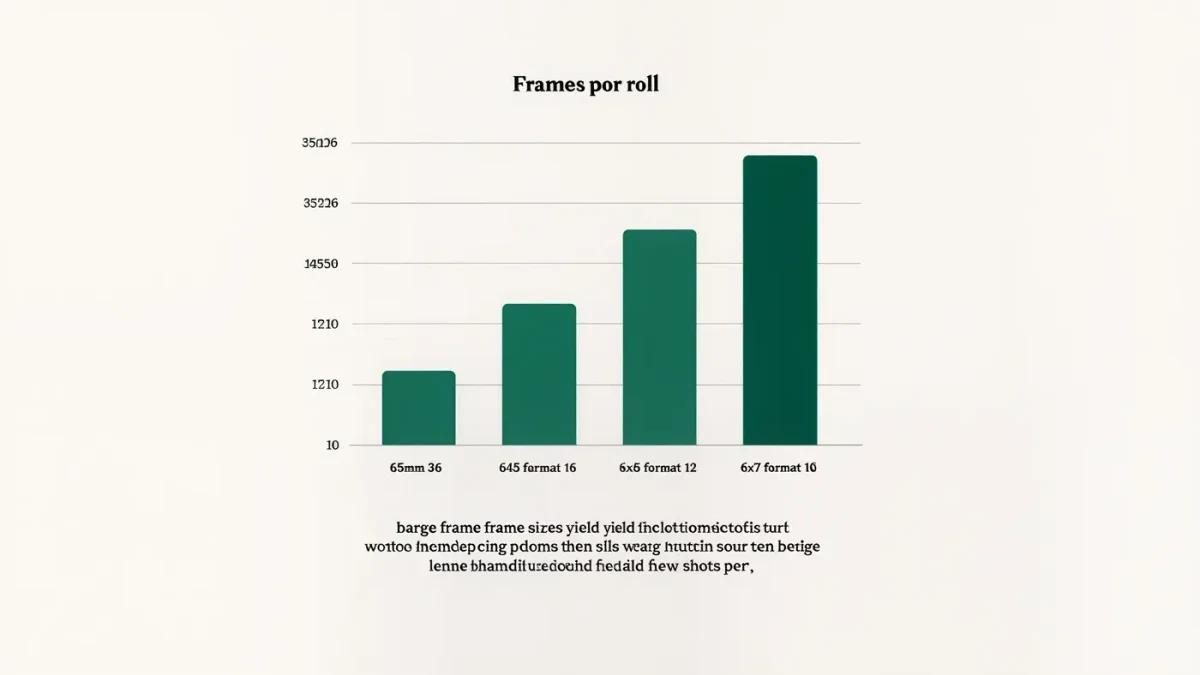
Practically, the camera exposes 12 square frames per roll of 120 film, advances by a single full crank turn, and focuses via a knob that moves the whole front plate on a rack. The meter is a simple match-needle window, designed for a mercury cell that has long since disappeared from most markets, so plan on an adapter cell, a modern replacement, or a phone meter. The 80mm focal length gives a normal field of view on 6x6, roughly equivalent to a 50mm on 35mm in coverage terms.
The square-format tradition these cameras served is visible at national scale in archives like the Library of Congress's Prints and Photographs Division, where square and medium-format negatives from studio photographers fill entire record groups.
What should you check before buying a used 124G?
Two faults dominate this model: tired leaf shutters and sloppy film transport. Everything else is secondary. Inspect in this order and let the results set the price.
| Check | How to test | Red flag |
|---|---|---|
| Shutter speeds | Fire every detent from 1 to 1/500 plus B, listening for lag | The slow speeds run long, meaning dried lubricant in the Copal-SV |
| Film spacing | Ask for a recent exposed roll, or run a cheap test roll before final payment | Overlapping frames, the classic 124G transport fault |
| Taking lens optics | Inspect front and rear elements of both lenses with a torch | Fungus filaments, haze, or cleaning swirls that photograph as softness |
| Aperture blades | Work the aperture lever and watch the blades respond | Oily, sluggish blades that fail to close at smaller stops |
| Focusing knob | Rack the front plate from close focus to infinity | Grit, stiff spots, or wobble in the focusing track |
| Meter | Compare against a known reference at the same ISO | Dead or wildly off; treat a working meter as a bonus, not a given |
The film-spacing check matters most after the shutter, because a transport fault turns half of every roll into overlaps, and the repair requires removing the whole side of the camera. A seller who has actually run film through the body recently and can say so concretely is worth a premium over a prettier camera described with confidence.
Where does the 124G show its age?
The viewing screen is dim by later standards, though bright aftermarket screens and fresnel upgrades exist and transform the experience. The meter should be assumed unreliable until proven otherwise, and the original mercury battery specification means exact voltage replacements require adapters or specially made cells. The 120/220 film switching inherited from earlier Mats is functionally obsolete since 220 film left the market, so the counter switch lives on 12 and stays there.
Parallax matters at close distances because the viewing lens sits several centimeters above the taking lens, so tight portraits need the built-in parallax compensation and some attention. None of this is hidden; it is simply the honest physics of a design that predates you by half a century. Repairs remain realistic because Copal leaf shutters are well understood and donor bodies are cheap.
Who is this camera for?
Anyone wanting a first medium-format camera without system expenses, portrait lovers drawn to the square, and deliberate shooters who enjoy the ritual: crank, look down, compose slowly, wind. The waist-level finder also changes social dynamics, since a camera held at chest height pointing down draws less self-consciousness than one raised to the face, a documented affection of wedding and street portrait photographers alike.
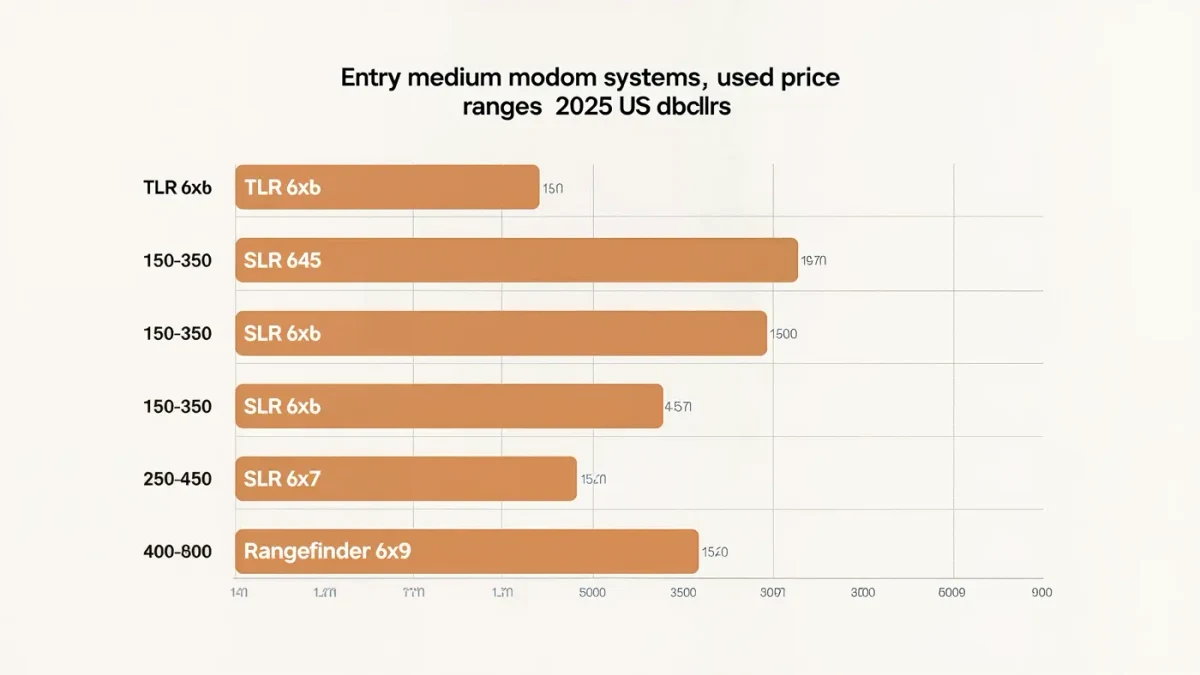
As of 2025, working 124G bodies commonly run $150-350 on the used market, with recently serviced examples and those fitted with bright screens at the top. A service for shutter and transport typically adds $100-200, so a cheap body with a lagging 1-second speed is rarely the bargain it appears to be. Against a Rolleicord it offers a similar experience for similar money with a more reliable supply; against a Mamiya C330 system it trades interchangeable lenses for simplicity.
What should your first rolls with a 124G look like?
Work close and work low. The 80mm lens behaves as a normal focal length on 6x6, but the square rewards filling the frame rather than cropping later, and the waist-level finder makes low viewpoints effortless: set the camera at hip height and the world quietly reorganizes itself. Shade the open hood with a hand in bright sun, because the screen needs help to judge focus honestly, and take the first roll slowly, twelve frames, each one an enlargement decision rather than a snapshot.
For portraits the camera is quietly excellent. The viewing lens looks at the subject from chest height, which most people read as less confrontational than an eye-level camera, and the leaf-shutter release is soft enough that subjects rarely brace. The f/3.5 maximum aperture renders backgrounds gently rather than obliterating them, a Tessar-type signature that flatters faces, and the square discipline teaches composition in both orientations at once.
One upgrade path deserves mention: bright aftermarket screens, fitted by several specialists, transform the finder for modest cost and pair naturally with a shutter service already in progress. The combined invoice still lands below the price of any 6x7 body. That is the sensible 124G endgame: service once, brighten the screen, shoot for years, and let the format's slowness do its quiet teaching.
Is the Yashica Mat 124G still worth buying?
As a working introduction to medium format, yes, emphatically, provided the shutter and spacing checks pass. It is one of the few remaining cameras where the entry price buys the format's full benefit, twelve real 6x6 negatives, with no compromises that matter for learning. Buy the condition, not the camera: two tested items decide everything.
And when the format finally clicks, a kept 124G resells for roughly what it cost, a safety net few hobbies offer and one more reason it remains the recommended first step into 6x6 film.