Movies treat the darkroom as the room where truth develops. The pull is old: Kodachrome, the color film Kodak sold from 1935 until 2009, per Wikipedia's entry, even carried its own thriller title in 2017. Two films carry most of that reputation: Blow-Up (1966) and One Hour Photo (2002).
The trade these films show has nearly left the street, which is part of the pull. Trays, dim light, and a print rising in the developer hand a director suspense without a word of dialogue. Here is how cinema uses the process, and what the famous scenes get right about the craft.
Blow-Up: The Darkroom as Truth Machine
The blueprint arrived in 1966. Michelangelo Antonioni's Blowup follows a fashion photographer in Swinging London who believes he has unwittingly captured a murder on film, per the film's Wikipedia entry. The title names the darkroom move itself: enlarge the negative until grain turns into proof. Truth and doubt develop side by side in the trays.
The film won the Palme d'Or at the 1967 Cannes festival, the entry notes, and its influence reached Francis Ford Coppola's The Conversation in 1974 and Brian De Palma's Blow Out in 1981. Directors learned the lesson well. A darkroom is a confession booth with a timer, and the picture only decides what it shows after the chemistry says so. Readers following this should also see Why Darkroom Chemistry Sells Out.
One Hour Photo: The Minilab Turned Glass Bowl
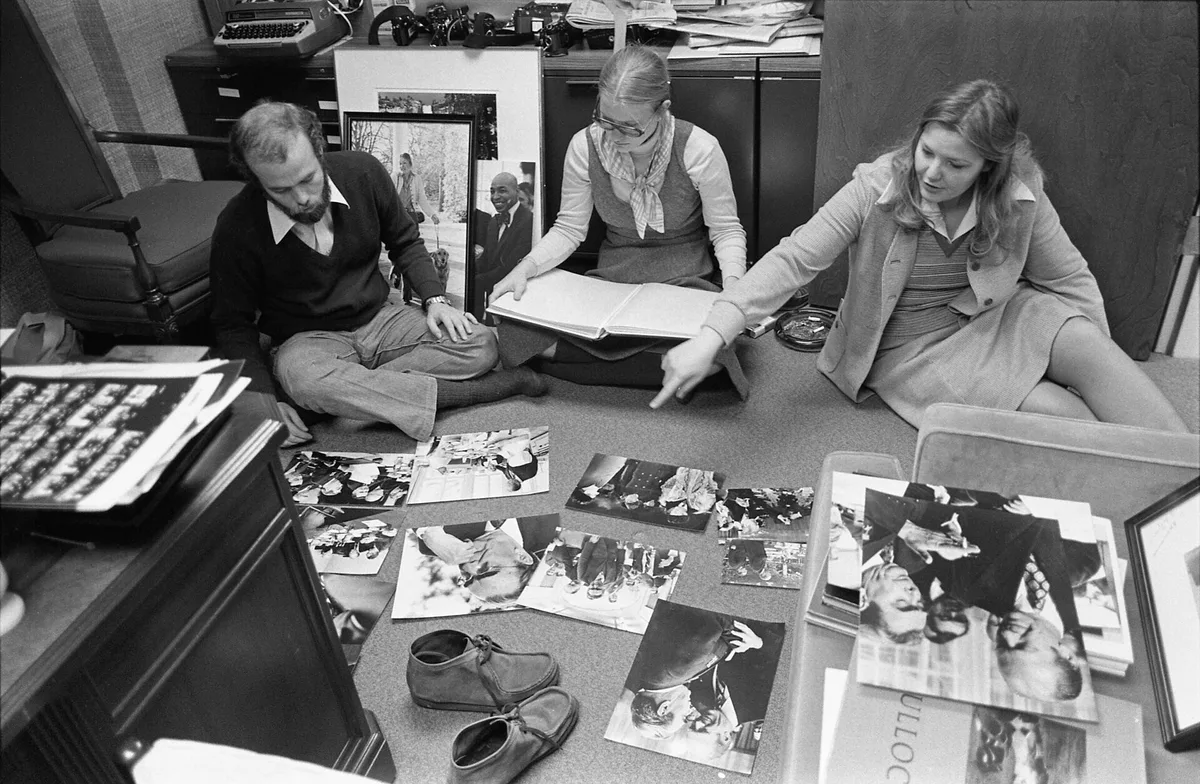
Decades later, Mark Romanek moved the drama from the home darkroom to the retail counter. One Hour Photo stars Robin Williams as Sy Parrish, a photo technician at a one-hour lab in a big-box store, per the Wikipedia plot summary. Sy has spent years developing one family's prints, and the obsession grows with every envelope. The lab here is bright, not red-lit, and the unease comes from routine.
The film premiered at the 2002 Sundance festival and grossed over $52 million on a $12 million budget, per the same entry. Those numbers say something about the audience. A story about prints and paperwork held screens for weeks, and the minilab, that humble cousin of the darkroom, turned out to be a stage of its own.
Kodachrome: A Film Stock Becomes the Story
Then cinema went one step further and made a film stock the main character. The 2017 film Kodachrome premiered at the Toronto International Film Festival and follows a dying photographer, played by Ed Harris, whose son, played by Jason Sudeikis, helps him get his last rolls processed, per the stock's Wikipedia entry. The deadline in the plot is real history. Kodak stopped making the film in 2009, and processing ended in December 2010, with rolls due at Dwayne's Photo in Kansas by December 30 of that year.
The road trip works as drama because the chemistry kept a clock. Real shooters mailed their final rolls to the same lab under the same cutoff, per the entry. Few props tie a plot to a documented date so neatly. The stock that recorded decades of family memories got a farewell ride on screen. We covered a connected angle in Lab vs Home Development Cost Math.
What Movies Get Right About the Process
Three things ring true across all three films. First, the delay: an image is not an image until the chemistry finishes, and no amount of money moves it faster. Second, the power: the person at the enlarger or the lab counter sees what everyone else only remembers. Third, the deadline, which Kodachrome's real exit turned into literal history.
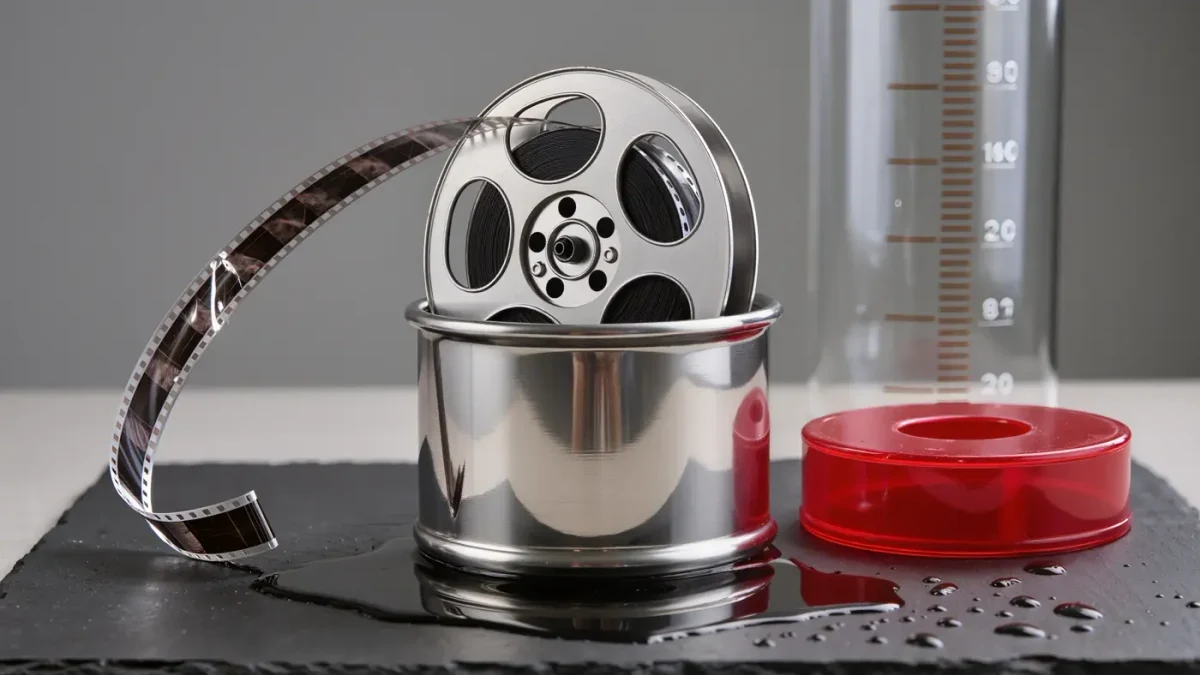
What the films skip is the tedium. Real development means measured chemicals, patient timing, and wet sleeves. Cinema cuts straight to the reveal. Fair enough: the reveal is why anyone keeps a darkroom at all.
Conclusion: Why the Darkroom Keeps Getting Cast
Movies portray the analog process as a place where secrets surface, and audiences keep proving them right. Blow-Up made the enlarger a detective's lens, One Hour Photo made the lab counter a stage, and Kodachrome gave a discontinued stock a send-off. Shooters know the scenes exaggerate. They also know why directors keep coming back: few rooms in any trade hold that much waiting, and waiting is the oldest engine of drama.