Analog processes shape contemporary art photography because their flaws carry meaning. Galleries now hang cyanotypes, the blue process Sir John Herschel announced in 1842, and platinum prints rated stable for thousands of years, per Wikipedia's platinum print entry. Collectors pay for the object, not just the image.
That is the quiet shift behind so much of the current show calendar. Museums and project spaces keep giving wall space to iron, platinum, and gelatin. The reason is not nostalgia. A chemical print makes a photograph feel like a made thing. It is slow to produce and hard to copy. That scarcity reads at gallery distance.
The Print Becomes the Object
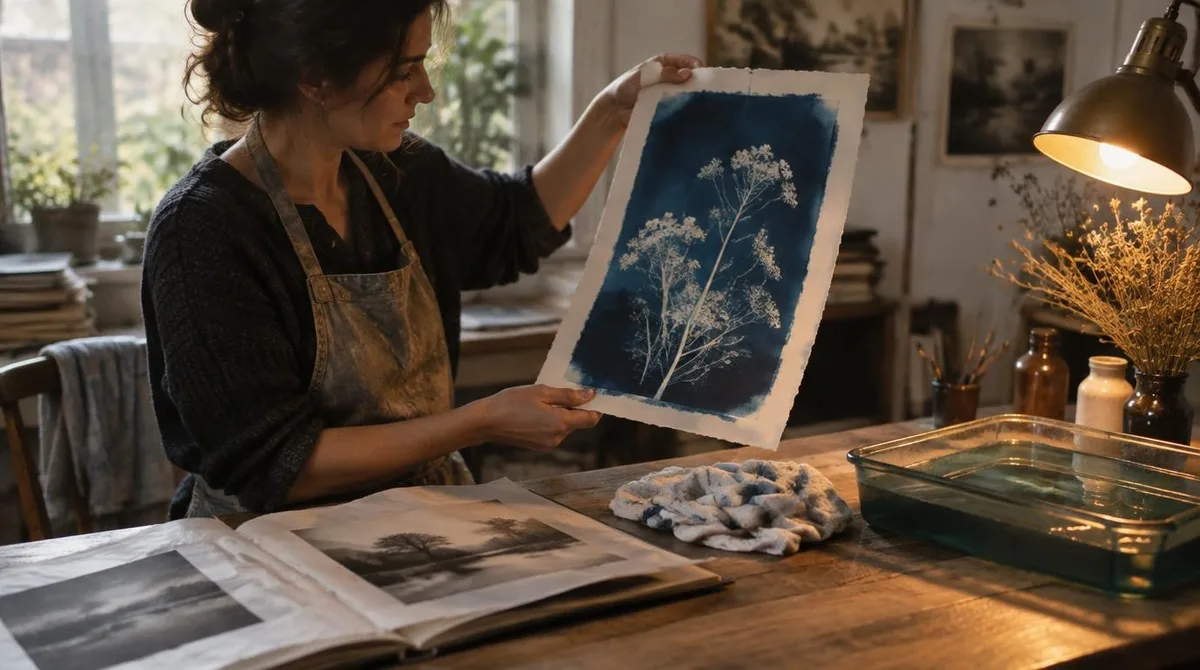
In contemporary art photography the process is often the subject. A cyanotype shows why. It is the oldest of these looks and the loudest. The process uses two chemicals, ferric ammonium citrate and potassium ferricyanide. It needs only water to develop and fix, as Wikipedia's cyanotype entry describes. In plain terms, paper brushed with green fluid turns deep blue in summer sun.
That sensory turn matters to curators. A cyanotype reacts to near-ultraviolet light, roughly the 300 to 400 nanometer band per the same entry. Each gallery print carries a small record of the sky that made it. Collectors read the brush marks and the uneven edges as proof of a hand. A file on a drive cannot offer that kind of evidence.
Platinum and the Promise of Permanence
Ask a printer why platinum still earns wall space and the answer is touch plus time. A platinum print leaves platinum metal on the paper surface, so the image stays absolutely matte, per the platinum print entry on Wikipedia. Tones run from neutral black through warm brown to blue-black, with a wide tonal range.
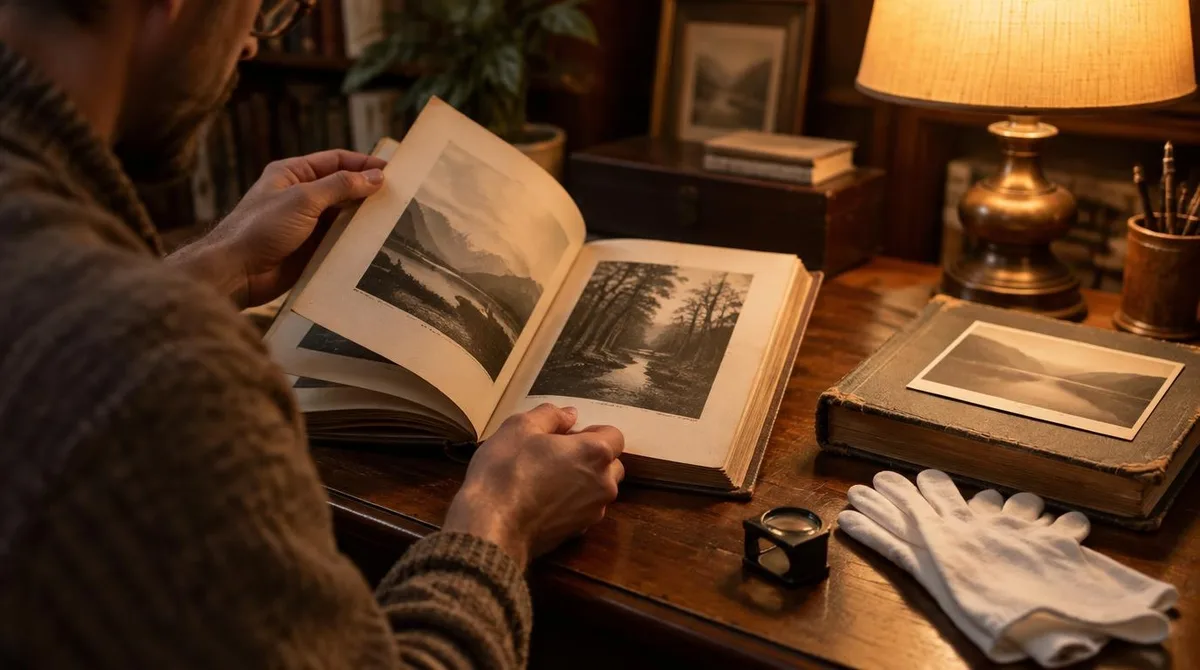
Durability closes the argument. The same entry estimates that a platinum image can last thousands of years, because the metal barely reacts with the chemistry that ruins weaker prints. To a museum that stability is a case for a purchase. To a collector it turns a photograph into something like a drawing. Such an object should outlive the wall it hangs on.
What the Film Revival Brings to the Gallery
The market followed the artists. As Wikipedia's analog photography entry notes, B&H Photo stated in 2017 that film sales were rising about 5 percent a year, helped by a renewal of interest in traditional process. Some of those new shooters were painters and sculptors first, and some never left the darkroom. We covered a connected angle in The Art Market for Film Prints.
Three habits of the current scene come straight from the chemistry:
- Editions of one, because a brush-coated cyanotype will not repeat itself.
- Wall text that reads like a recipe, with paper, chemistry, and light named.
- Quieter, slower pictures, since contact printing pushes artists toward big negatives.
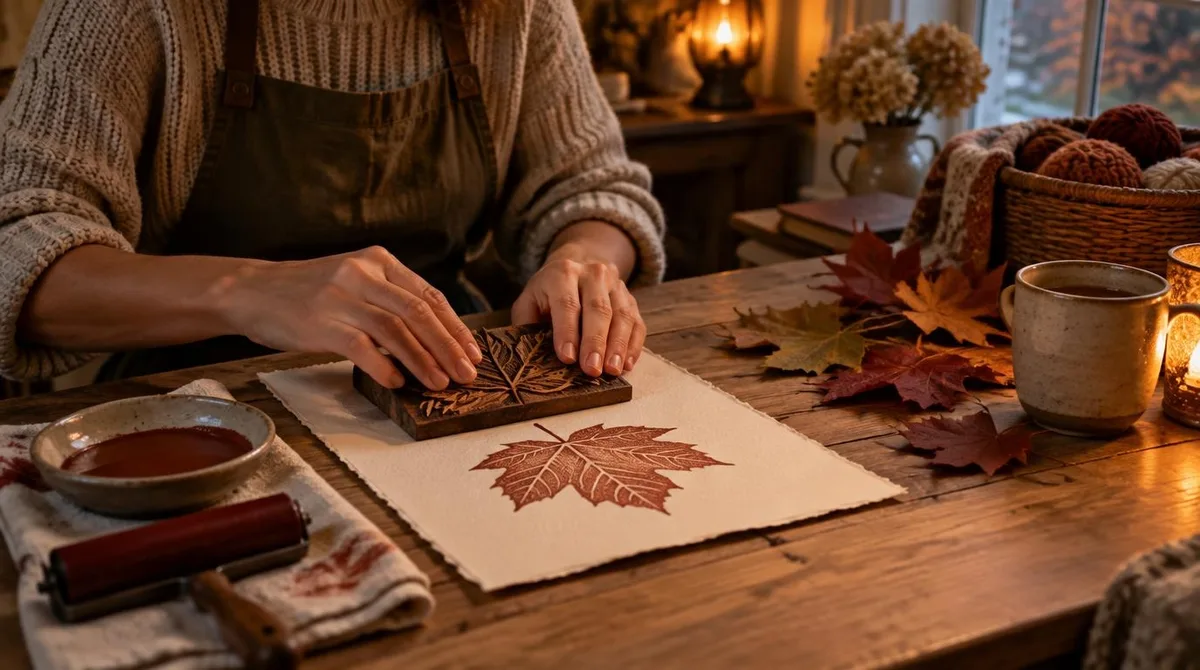
The lesson for a working artist is gentle. Chemistry rewards a plan, and it forgives a slip. A faded corner or a dry brush streak becomes part of the story a print tells on the wall.
None of this makes digital work less serious. It gives curators a reason to hang an object instead of an image. It gives viewers something a screen cannot hand over, a surface with weight, smell, and a memory of the weather outside the studio.
Conclusion: Chemistry as a Working Language
So how do analog processes influence contemporary art photography? They hand artists a vocabulary of touch. A cyanotype lets a photographer paint with water and daylight. A platinum print promises an object that can outlast the building around it. For working artists the advice is simple. Pick one slow process, learn its quirks for a season, and let the chemistry leave fingerprints. Prints made that way tend to carry what collectors keep asking for, proof that a person stood there. Readers following this should also see Art News Best Museums: The Best Museums for Photography Collections Worldwide.