Yes, but buy with your eyes open and your skepticism switched on. This Leica M6 buying guide treats the M6 as a working tool rather than a collectible. Per Leica's specification sheet, the M6 pairs a mechanically governed 1 to 1/1000 shutter with through-the-lens metering, in bodies produced between 1984 and 1998.
What is the Leica M6, and why does it cost this much?
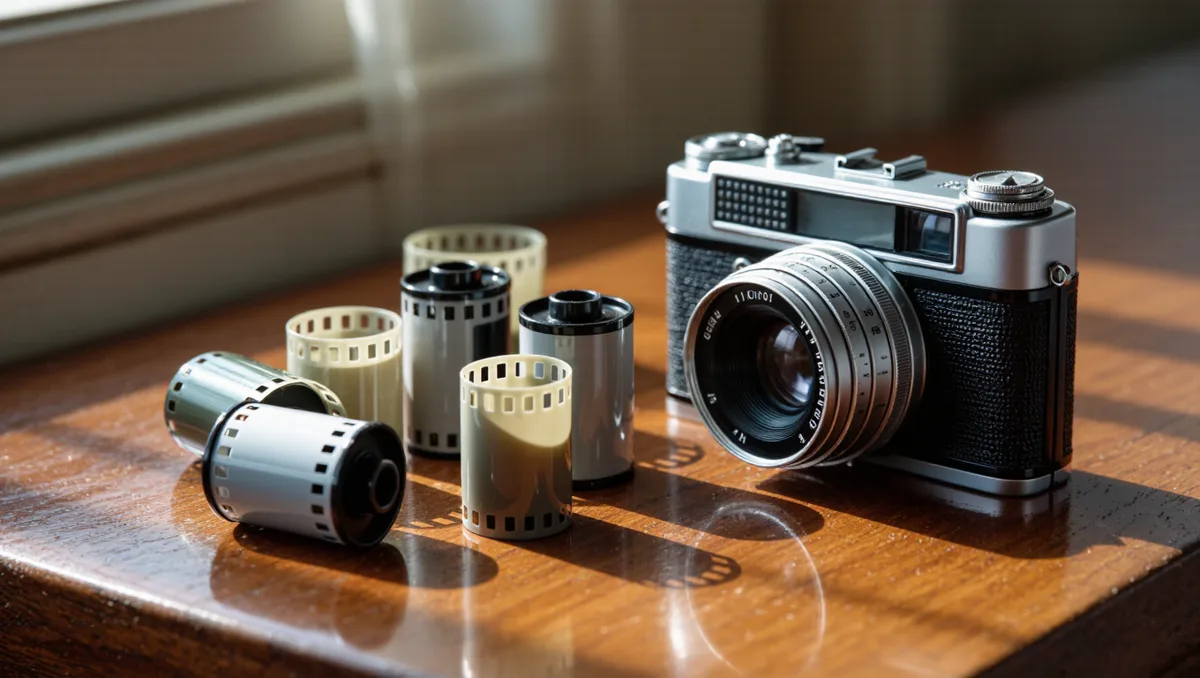
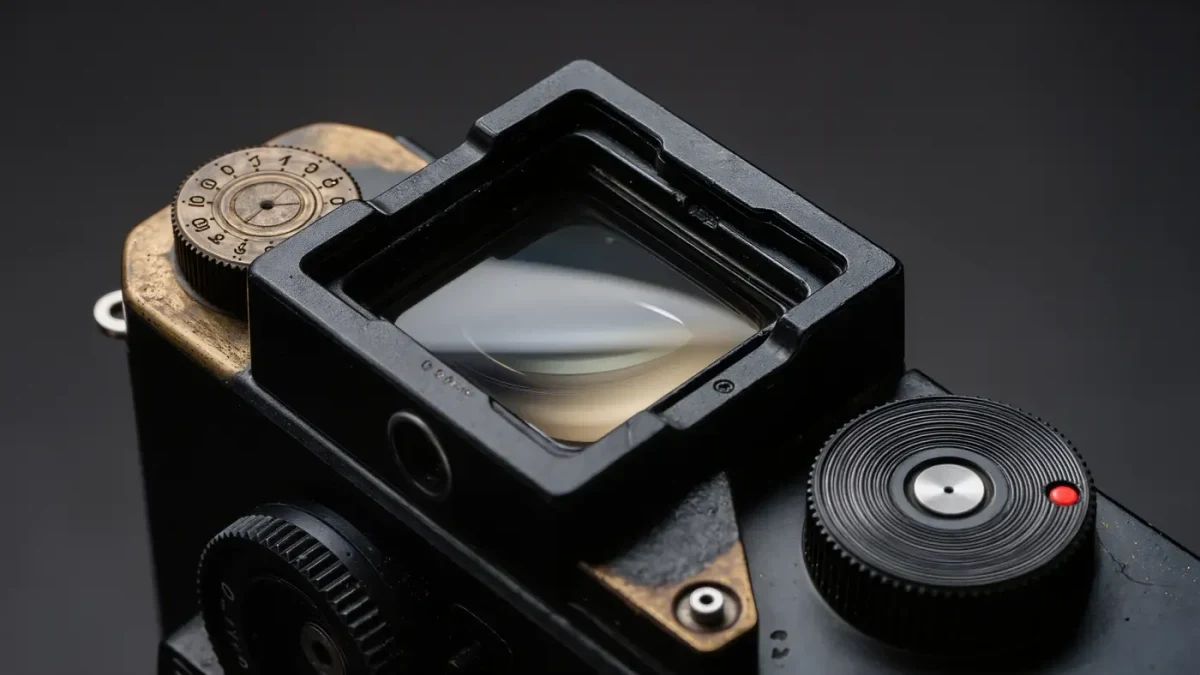
The M6 brought the M-series into the electronic-meter age: two silicon cells read light reflected from a patterned area ahead of the film, displaying the result as glowing arrows and a dot in the finder, a system Leica documented as the first through-the-lens metering in an M body. The shutter stays fully mechanical, from 1 second to 1/1000 with 1/50 flash sync, so batteries power only the meter. The 0.72x viewfinder was the standard, showing frameline pairs from 28mm to 135mm, with 0.85 and 0.58 magnification variants appearing later in the run.
Why the price? The M mount accepts every Leica lens made since 1954 plus decades of excellent third-party glass, the bodies were built in comparatively small numbers, and brand gravity compounds both facts. The M6 TTL followed from 1998 to 2002 with a larger shutter dial, TTL flash control, and reversed meter-arrow logic. A classic M6 is neither rarer nor better-made than its price suggests it should be; it is simply the camera everyone agrees to want, which is exactly why condition discipline matters at purchase.
Rangefinders occupy their own branch of photographic engineering, well represented in the camera holdings of the Smithsonian's National Museum of American History, where the coupled-rangefinder tradition the M6 perfected is documented alongside its ancestors.
What must you check on a used M6?
M6 faults concentrate in the viewfinder assembly and the meter circuit, both of which are invisible in listing photos. Test in person wherever possible.
| Check | How to test | Why it matters |
|---|---|---|
| Rangefinder alignment | Align a distant high-contrast edge at infinity; then test a measured close subject | Misalignment means back-focus errors no lens can compensate; a re-calibration is routine service |
| Patch brightness and flare | Point the finder at a lamp and watch the patch | Classic M6 finders flare against light sources; a dim, desilvered patch makes focus slow |
| Meter accuracy | Compare against a reference meter at several brightness levels | Drifted cells or loose wiring cause intermittent readings, a known M6 complaint |
| Shutter speeds | Listen to 1s through 1/1000, then film slow speeds with a phone | Mechanical drift usually appears first at the slow end |
| Curtains | Shine a torch into the open body in a dark room | Pinhole light leaks in aging curtains fog film edges |
| Cosmetics and serial | Match the serial to documented production ranges; inspect top plate and leatherette | Replaced parts or re-covering affect value far more than function |
Buying from a specialist who documents a recent calibration removes most of this risk, and the premium they charge usually undercuts the cost of the services you would otherwise schedule. A private-sale M6 needs every test above, no exceptions.
What are the M6's honest weak points?
The classic M6 finder flares when bright sources sit at certain angles, a documented annoyance Leica itself addressed in later finder designs; shooting technique or a finder upgrade mitigates it, but it is real. Flash sync stops at 1/50. The 0.72 framelines are tight for glasses wearers at 35mm and under. And nothing about the camera is cheap to service: specialist recalibration of finder or meter routinely runs several hundred dollars as of 2025, so the purchase price is a floor, not a ceiling.
One more practical annoyance: strap lugs on hard-used bodies work loose, and a dropped M6 lands with the value of a decent holiday inside it. Check that both lugs are tight and original, and fit a proven strap rather than a fashionable one. Small habits protect large sums here more than with any other camera in this price bracket.
The honest counterpoint is capability: a competent mechanical SLR at a fraction of the price does most of what an M6 does, photographically. What the M6 offers instead is the finder experience, the lens catalog, and the simple fact that a 1984-1998 body is supported by a service infrastructure that intends to keep it working indefinitely. Buyers should decide which of those they are actually paying for.
Who should spend M6 money?
Rangefinder devotees, street and documentary shooters who value the quiet shutter and the both-eyes-open finder, and photographers building around M lenses as long-term assets, since the glass holds value in ways bodies do not. Skip the M6 for macro, long telephoto, or action work, where an SLR is structurally the right answer and no rangefinder belongs.
As of 2025, classic M6 bodies commonly run $1,400-2,500 on the used market depending on condition and finder variant, with TTL versions in a similar band. Set aside a service budget of roughly $300-500 for finder or meter work at specialist shops unless paperwork proves it fresh. Lenses are the larger and longer investment; budget them as a separate decision.
Which lenses make sense for a first M6 setup?
The classic entry is a used 35mm f/2 or 50mm f/2; both frame naturally in the 0.72 finder, both focus quickly, and both hold value in ways camera bodies envy. Add a 90mm only when you know you need it, because longer framelines are where rangefinder patch precision starts to matter. Third-party options from Cosina Voigtlander and the Zeiss ZM line mount cleanly and cost a fraction of the Leica names; as of 2025 they are the rational first step while your focal-length taste settles.
Skip the collector reflex on bodies: black paint versus chrome, original versus recovered covering, and the presence of the red dot move price more than performance. A user-grade M6 with fresh calibration outshoots a shelf queen with drifted alignment every single frame. Put the savings into glass and into the service budget that keeps the finder honest.
One practical note on theft and insurance: an M6 attracts attention in ways plastic cameras do not, and replacement means full market price, as of 2025 commonly $1,400-2,500 for the body alone. Photographers who travel rough sometimes deliberately choose cosmetically poor examples for exactly this reason, and the negatives come out identical.
Is the Leica M6 worth buying in 2026?
If you want the rangefinder experience specifically, yes, and a condition-checked classic M6 is the rational entry versus everything above it in the brand's price ladder. If you merely want excellent film photographs, be honest that less romantic cameras deliver them for less. Run the alignment, patch, and meter tests, insist on service records, and the M6 becomes what it always was: a precise tool whose value you can defend at purchase and at resale.