Film keeps getting more expensive because every hand between the coating plant and your bag charges more than in 2021. Consumer prices rose about 25 percent from early 2021 to late 2025, per Bureau of Labor Statistics data, yet film shelves repriced faster — and Kodak Alaris confirmed another increase round for February 1, 2026, per its early-January retailer notices.
What are you actually paying for at the shelf?
The price tag on a roll of 35mm is not a factory price. It is a stack: the maker sells to a distributor or directly to a retailer, the retailer covers rent, staff, refrigeration and spoilage, and sales tax lands on top. This article deliberately stays on your side of that stack — what the shooter pays and why it moves. The chemistry and coating economics belong to a different conversation.
What matters at the shelf is that most of the stack repriced in the same window. Wholesalers raised list prices in annual rounds, freight surcharges appeared on imported stock, and retailers — many of them small specialists — passed the increases through with a lag, which is why the same emulsion could cost different amounts at two shops in the same town for months.
How much did 2021 through 2025 actually change the shelf?
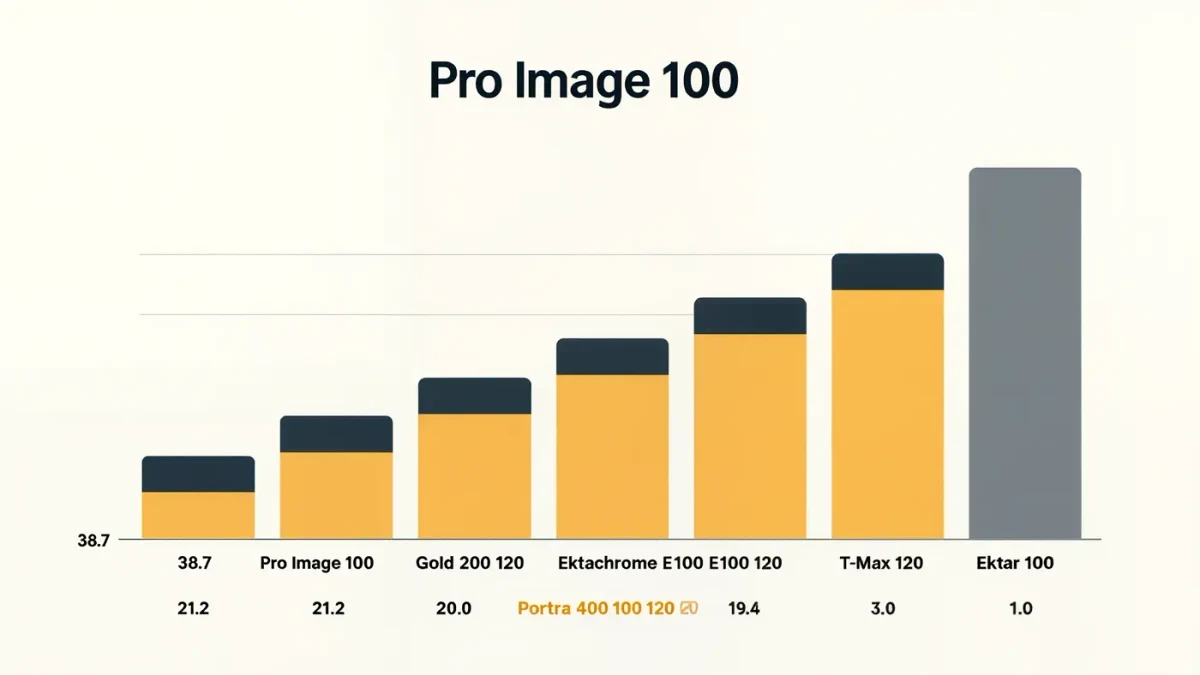
More than headline inflation, and in steps rather than one jump. Rounded figures from major US retailer listings tell the story: budget color negative that sold around $7-8 a roll in 2021 sat near $10-12 by late 2025, and professional 400-speed color added roughly $4-5 a roll over the same stretch. Kodak Gold 200, the standard reference roll, settled around $9-11 as of 2025.
The steps were announced, not accidental. Kodak Alaris raised distributed-film prices effective January 1, 2025, then confirmed another round effective February 1, 2026, announced to retailers in early January 2026. Fujifilm applied its own increases across stills film in 2025. When every maker moves in consecutive years, the shelf never gets a quiet season to settle.
| Shelf marker | 2021, roughly | Late 2025, roughly |
|---|---|---|
| Budget color negative, 36 exp | $7-8 | $10-12 |
| Kodak Gold 200, single roll | $8-9 | $9-11 |
| Professional 400-speed color | $13-14 | $16-18 |
| Typical C-41 develop and scan | $12-15 | $16-22 |
Why does silver matter for a roll of film?
Because film is, among other things, a silver product. Silver halide crystals are the light-sensitive part of every emulsion, color or black and white, and silver spent late 2025 near multi-decade highs. Manufacturers said so plainly: Kodak Alaris cited significant increases in the cost of silver and other components when confirming its February 1, 2026 increases. When the raw metal climbs, list prices follow with a lag of one distribution cycle — usually one price round.
Silver does not explain everything. It explains why makers raise list prices; it does not explain why the shop two streets over charges a dollar more. That part is the rest of the stack: freight, cold storage, minimum order quantities, and how fast a particular shop turns its stock over.
What did logistics do to the price tag?
The 2021-2022 freight spike is over, but its habits stayed. Air and sea rates normalized by 2023-2024, yet film logistics never fully returned to pre-pandemic patterns: makers ship smaller batches more often, allocate scarce lines among distributors, and importers still price in the volatility they absorbed. Refrigerated storage costs money all year, whether stock moves or not. A slow-selling emulsion sitting in a fridge for eight months is priced by someone who remembers that.
There is also the currency layer most shooters never see. Euro- and yen-made stock — Foma, Harman, Fujifilm — is priced for the US shelf months ahead, so exchange swings show up as quiet differences between brands rather than announced increases.
How do you track film prices instead of guessing?
Treat it like a small research habit, because the data is public and moves in visible steps.
- Watch the per-roll price of five-packs, not single rolls. Multipacks are the closest thing to a wholesale indicator and typically run 10-20 percent cheaper per roll.
- Note increase rounds in a dated list. January and February are when list changes tend to land; stock bought before the round sells at the old price until it runs out.
- Compare two specialist retailers monthly, plus one general photography store, to see pass-through lag rather than one shop's margin.
- Ignore marketplace listings during shortages. Third-party resellers price on scarcity, not on the list, and their numbers tell you about panic, not about film.
When is an expensive roll actually the cheaper one?
Do the arithmetic per keeper rather than per roll. A $17 roll shot carefully at 24 deliberate frames costs less per usable image than an $11 roll burned at 36 casual ones, and developing is charged per roll either way. The honest version of the price tracker is a shooting log: what was paid, where, when, and how many frames survived. Shooters who keep one stop guessing about whether their local shop is expensive or simply early with a new round.
The realistic outlook for the shelf as of early 2026: increases arrive in rounds roughly once a year, old-priced stock softens the landing for a month or two, and the whole shelf still costs more than it did five years ago by a wider margin than official inflation. Budget for it, buy multipacks of the stocks you actually shoot, and treat any single-roll price below the current range as a signal to check the expiry date before celebrating.