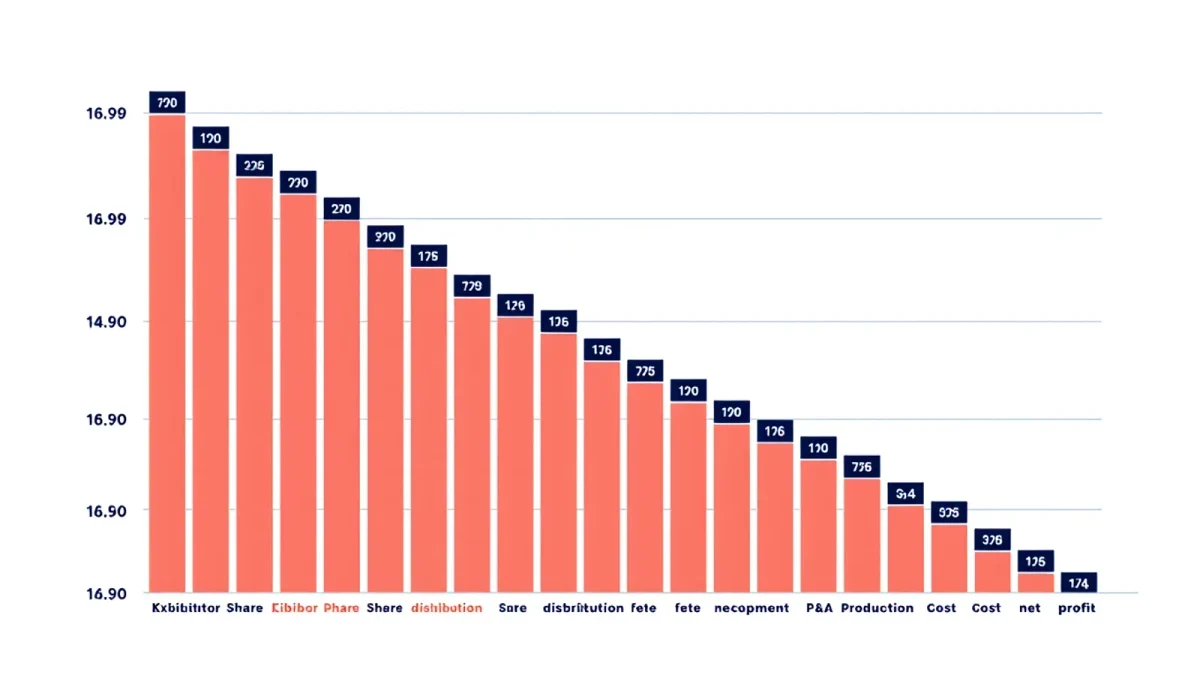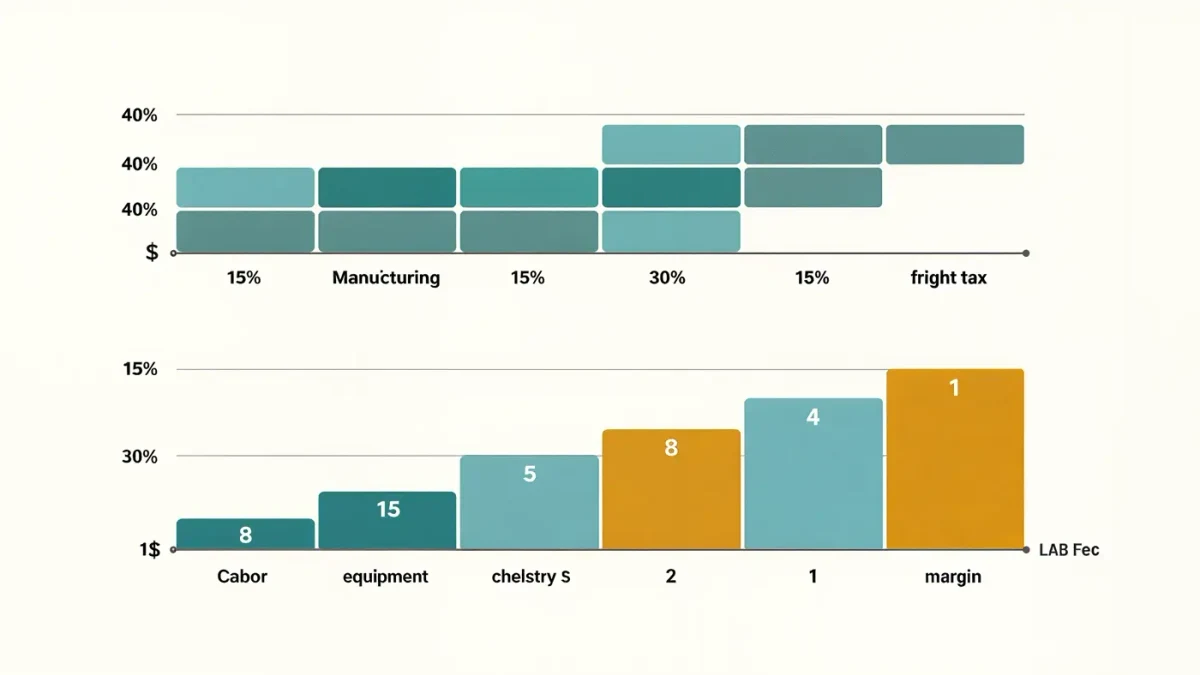
The film revival's profits sit downstream of the factory. A maker's margin on a $12 color roll as of 2025 stays thin, while retailers take their cut, labs convert every roll into service revenue, and the secondhand market moves thousands of cameras with no manufacturer involved. Follow a dollar through the ecosystem: it settles with services, not plants.
This is the revival's quiet structural fact: the demand rebounded, but the value chain around it re-formed in a different shape. In the analog economy's 1990s prime, money flowed to vertically integrated makers; in its second life, it flows to whoever touches the shooter most often — the shop counter, the lab envelope, the used-gear listing.
What does the maker earn per roll?
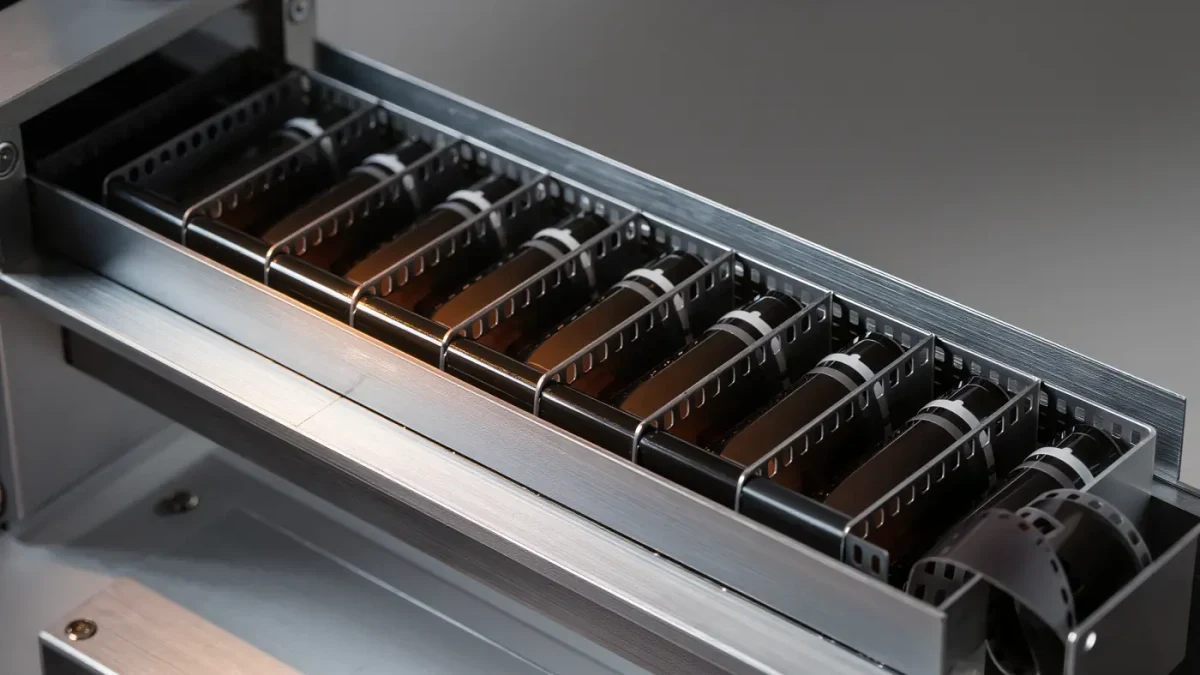
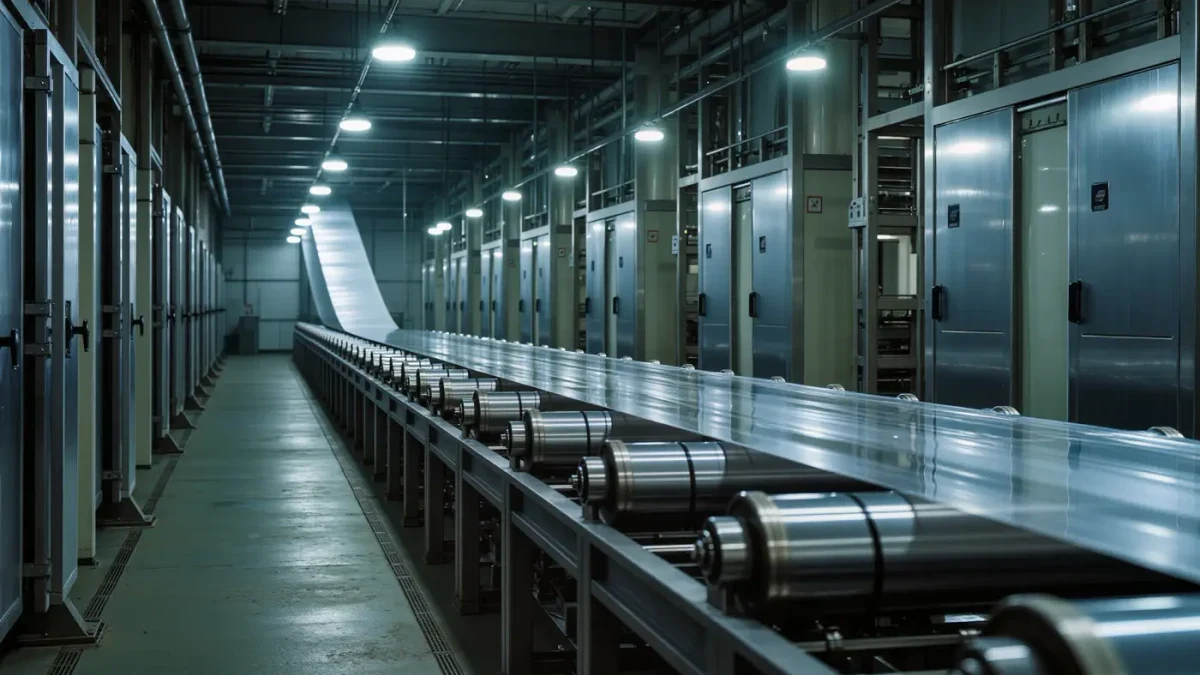
Manufacturers sell at list into distribution, and their economics are ruled by utilization: a coating line's fixed costs divide across however many sellable rolls the year produces. Harman Technology publicly reported record trading through the revival years — demand that let its Mobberley lines run fuller, which is precisely how a thin-margin business turns comfortable. Kodak's side of the story split in two: Eastman Kodak coats the film, while Kodak Alaris has long distributed the consumer stocks in many markets. That arrangement shifted in September 2025, when Eastman Kodak began distributing Kodacolor, Gold and UltraMax itself in North America, ending Alaris's decade-long exclusive on its best-known emulsions — a reminder that even the value inside one brand gets fought over. Meanwhile raw silver, the input no maker can dodge, spent late 2025 above $50 an ounce for the first time since 1980, per Reuters — squeezing exactly the cost line revival demand could not fix.
Where does the retail margin sit?
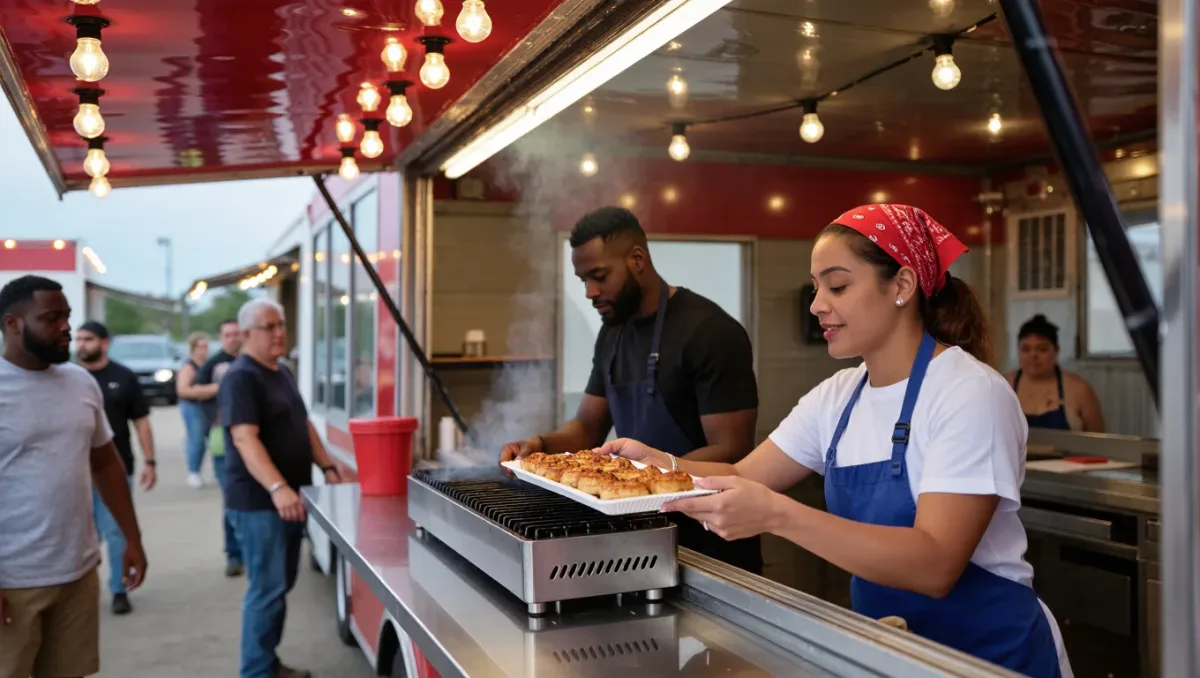
For specialty camera shops, industry-typical gross margins on film run roughly 20-40 percent — thinner than on used gear or accessories — and refrigeration, expiry dating and spoilage quietly consume part of that. Film is a traffic product: shops stock it because it brings the shooter back every few weeks, and the profitable attach is whatever rides along — a strap, a filter, the developing mailer. Multipack discounts and subscription bundles trade margin for predictability, a rational exchange in a business where the freezer is financed twelve months ahead of the sale. The shelf-price climb that outran US consumer inflation — roughly 25 percent from early 2021 through late 2025, per Bureau of Labor Statistics data against film's steeper list-price rounds — lands partly in retail margins, but the pass-through costs behind it are real.
How do labs capture recurring revenue?
Labs are the revival's steadiest earners. Chemistry costs $1-3 per roll against a $12-18 develop-and-scan menu price as of 2025, so the service converts processing volume into labor-priced revenue on equipment that, for many labs, was bought years ago and is now fully utilized. The wait-list years of 2021-2023 let labs reprice to actual cost, and the mail-order consolidators turned freight batching into manufacturing-style throughput. Every new shooter entering the hobby is, from a lab's perspective, an annuity: thirty rolls a year at stable margin, indefinitely.
Who profits on used gear and repairs?
The largest money flow in the revival might be the one no manufacturer sees. Used-camera dealers buy below auction, grade, service and sell with warranty at a premium; platforms take fees in the 10-13 percent range; and repair benches booked months deep at $100-250 per clean-lubricate-adjust. Scarcity did the marketing: a Contax T2 that listed around $300 in the mid-2010s traded near $900-1,500 in rounded marketplace data as of 2025, and every one of those transactions paid a dealer, a platform or a technician — never a factory. The revival's most reliable investment, it turns out, was a repair certification.
What about the brands in the middle?
A cluster of revival-native brands occupies the space between plant and shelf, and their economics are often healthier than the plants'. Lomography designs and markets its emulsions — and its cameras — while contracting production into existing coating capacity, converting marketing reach into hardware margin without carrying a factory. CineStill's model is value-added finishing: buy cinema stock, remove the remjet layer, rebrand, and capture the spread between motion-picture pricing and still-photography pricing — small per roll, meaningful at volume, and famously unencumbered by capital equipment. Boutique rebranders and store-label films run the same play at smaller scale. The pattern repeats: the plant carries the fixed cost, the brand carries the customer, and the customer-facing margin tends to win.
Did any of it reach the people doing the work?
Partly, and unevenly. Kodak's Rochester operation and Harman both hired through the recovery years — publicly reported, and notable precisely because photographic manufacturing employment had spent two decades in near-monotone decline. Lab wages for experienced scanner and process technicians rose as backlogs bit. But energy costs in Europe, silver above $50 an ounce and the small-batch economics of niche stocks kept maker-side margins disciplined. The honest ledger: the revival distributed its gains to whoever owns a bottleneck — a coating line fully utilized, a scanner running two shifts, a repair bench with a waitlist — and bottleneck ownership, in this industry, now lives mostly outside the factory gates.
For shooters, the distribution has a practical meaning: the price of a roll funds less coating capacity than it appears to, while the price of a lab order or a serviced camera funds exactly the people keeping the hobby runnable. Paying for the developing envelope, the dealer warranty and the repair queue is not a tax on the revival — as of 2025, it is close to the only thing that reliably funds it.