Cyanotype Process — Cyanotype Beyond the Blue: The Oldest Process Finds New Fans
The cyanotype process, announced by Sir John Herschel in 1842, still needs only two chemicals and water, and about 10 English-language books a year now carry its name.
The cyanotype process, announced by Sir John Herschel in 1842, still needs only two chemicals and water, and about 10 English-language books a year now carry its name.
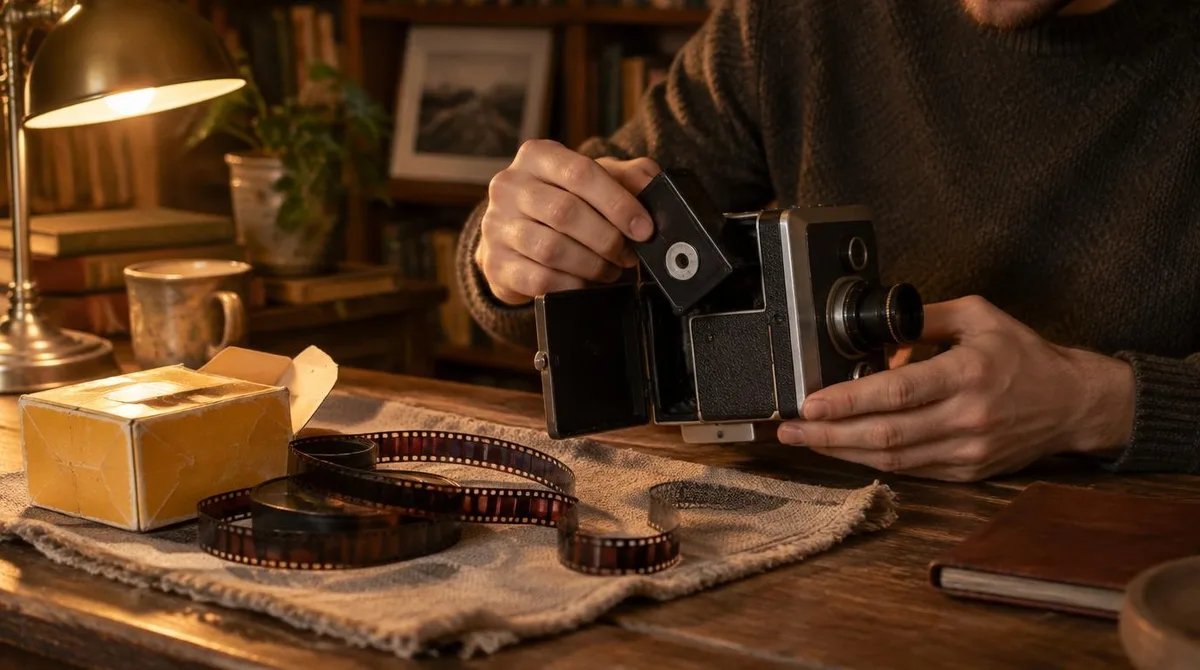
Motion picture film looks intimidating. It isn't. Here's how to pick a Super 8 body, budget for the film, and shoot your first roll without frustration.

Pentax's return to film after two decades is a $499 half-frame compact. Here's what the documented specs and published impressions say about whether it earns a place in your pocket.

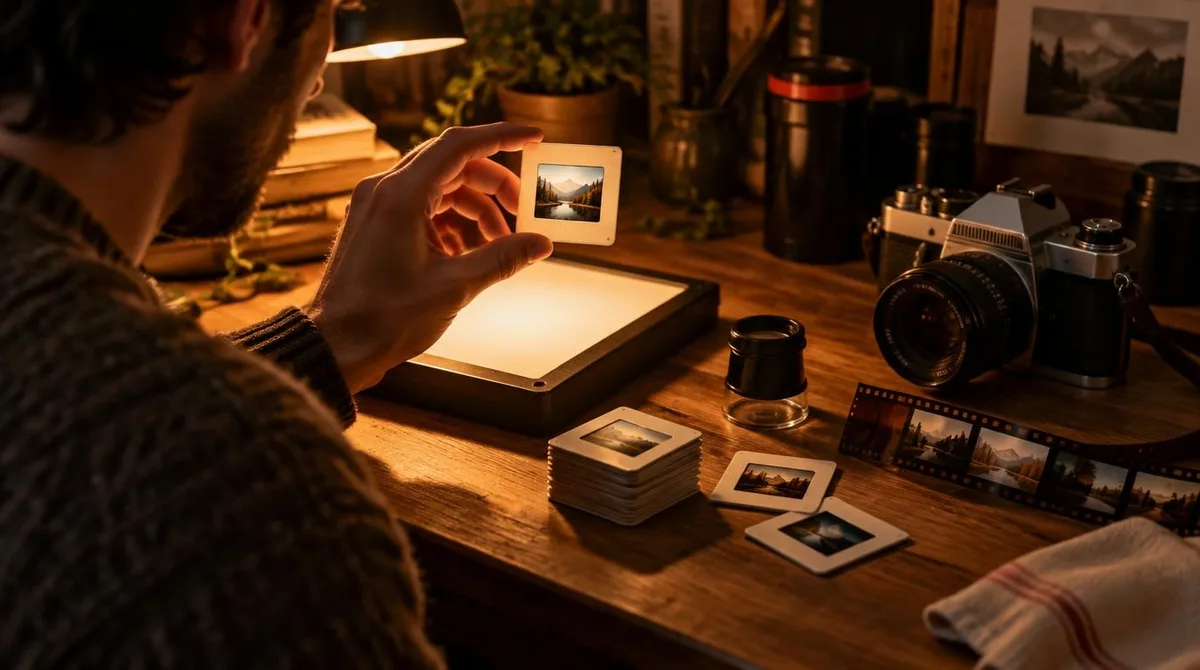
Slide film returns a finished positive, and Kodak's Ektachrome, back in 35 mm since 2018, is the stock that carries the reversal look today.

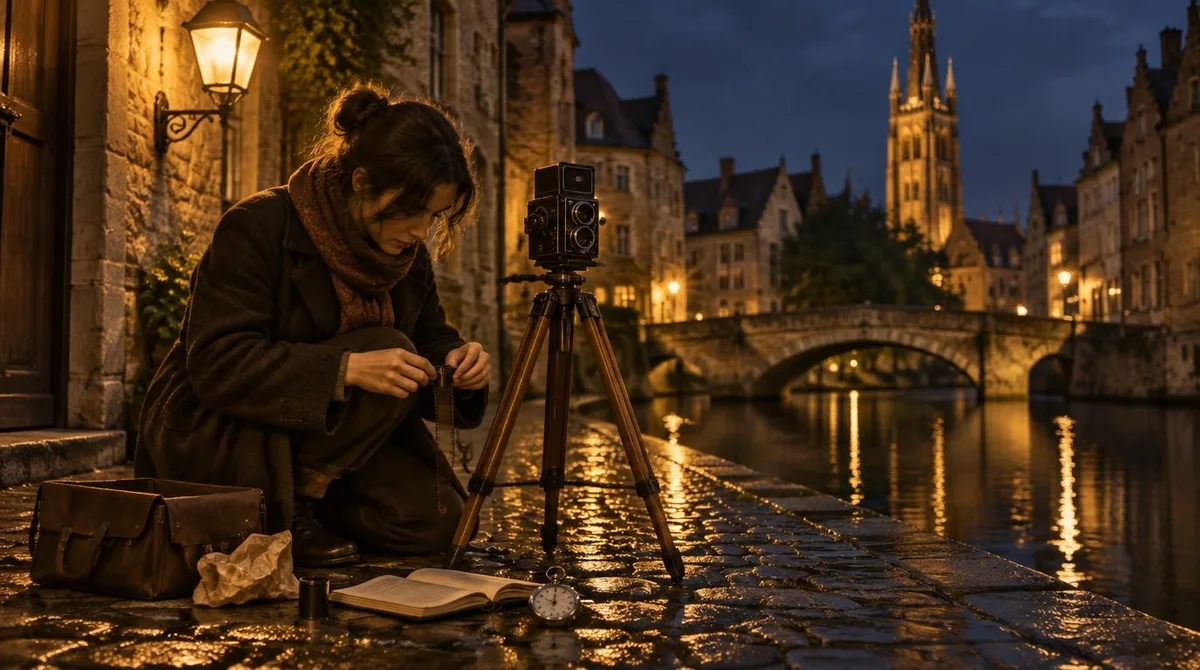
Reciprocity failure becomes significant past about 1 second on film, and the night photography record answers grain with tripods, flash, and patience.

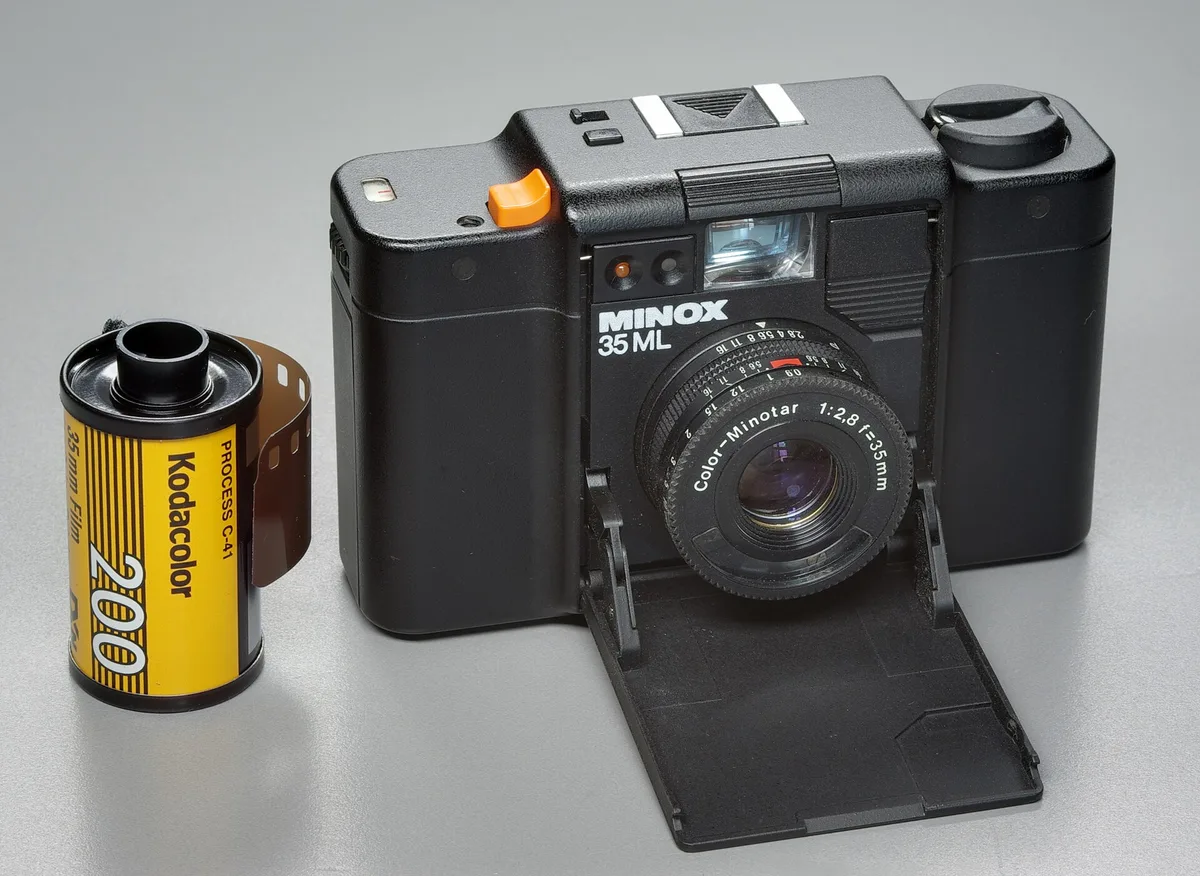
A humble point and shoot film camera is cheap fun, while hyped titanium compacts like the Contax T2 reward patience over impulse.

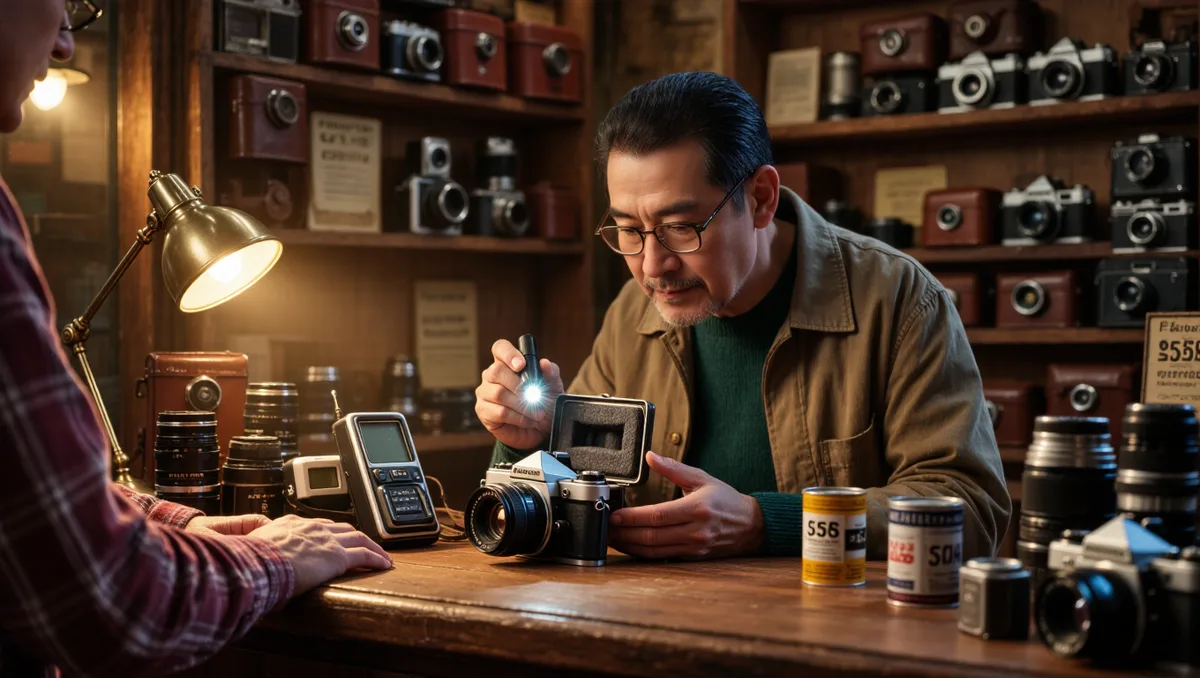
A patient inspection checklist for light seals, shutters, meters, and price — so the bargain stays a bargain.

Portraits sort into three documented stocks: Kodak Portra 400 for color work it was built for in 1998, Kodak Tri-X at ISO 400 for grain with a temper, and Ilford HP5 Plus on a line dating to 1931.

Winter film photography leans on fast rolls, honest metering over bright snow, warm batteries, and the long-exposure chart after early dusk.

The best first film camera is usually the cheap, boring, dependable one — here is how to pick it and where the money should go instead.