Topic
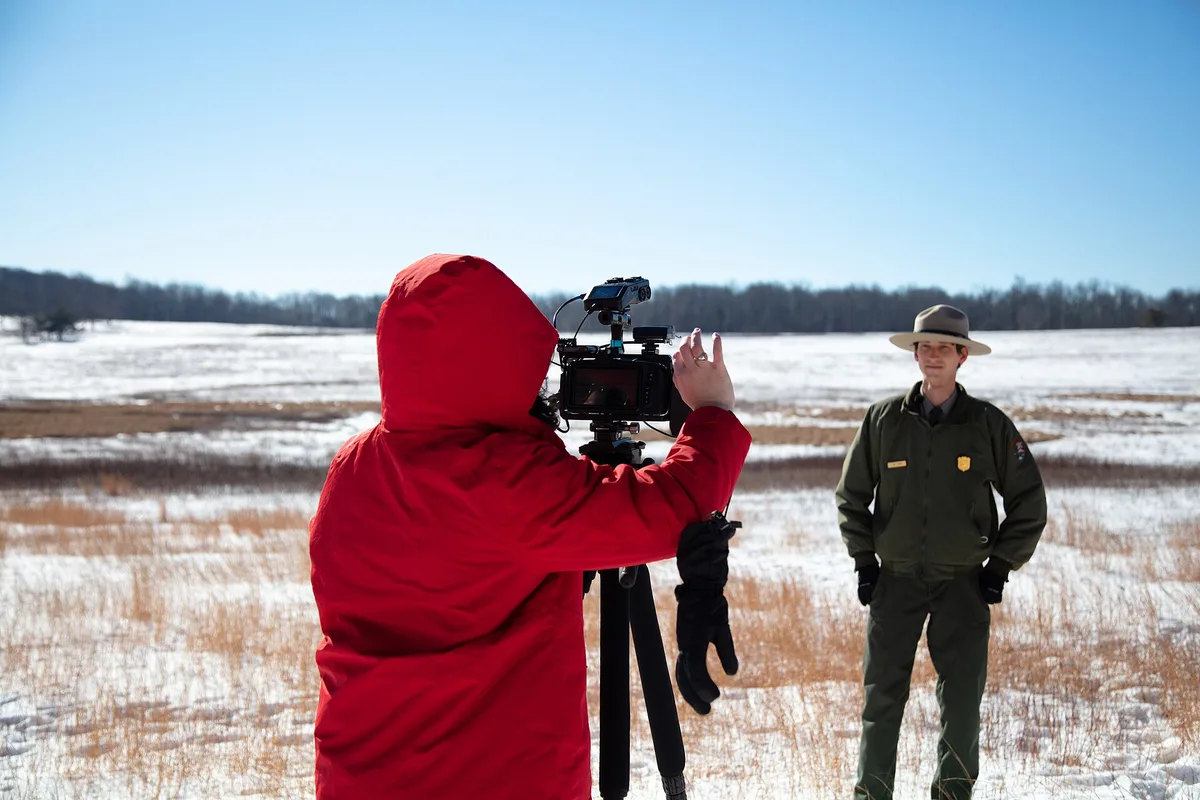
A Seasonal Guide to Shooting Film in Harsh Winter Light
Winter film photography leans on fast rolls, honest metering over bright snow, warm batteries, and the long-exposure chart after early dusk.
Winter film photography leans on fast rolls, honest metering over bright snow, warm batteries, and the long-exposure chart after early dusk.
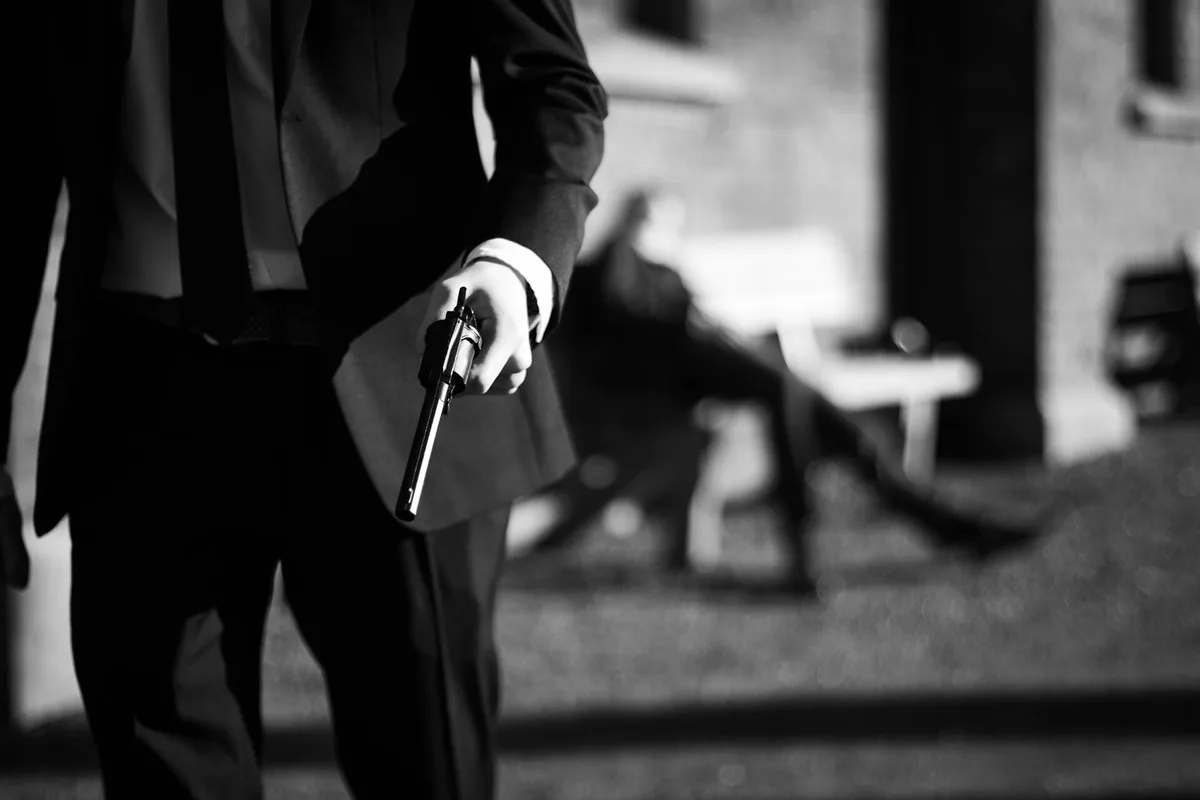
Film noir's classic period ran from the 1940s into the 1950s, built on low-key black-and-white lighting, a faster Kodak stock released in 1935, and cities that photograph like traps.
The covers you remember share a few working traits — and none of them is luck.
Stop bath and a plain water rinse are not the same step. One halts the developer with acid, the other dilutes and slows it. Here is what each one does.
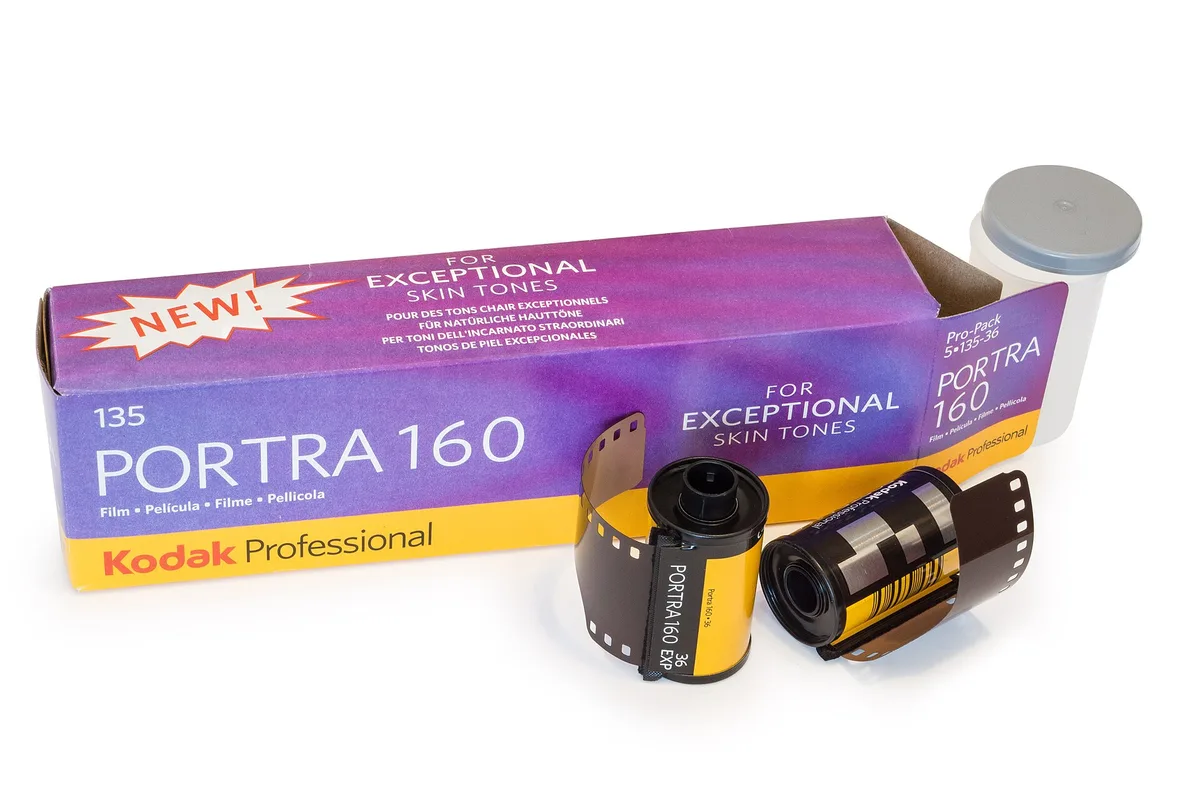
Portra 160 and Portra 400 differ mainly in speed, and speed drives grain, light needs, and subject choice. Here is when the slower film wins.
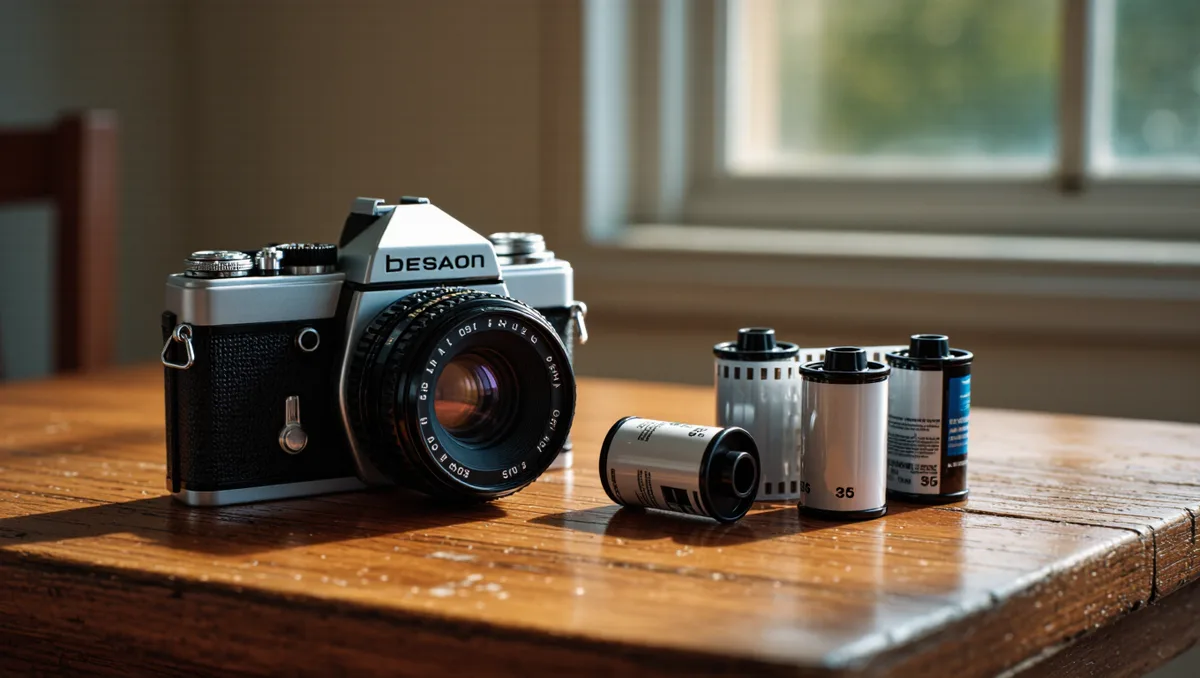
The best first film camera is usually the cheap, boring, dependable one — here is how to pick it and where the money should go instead.
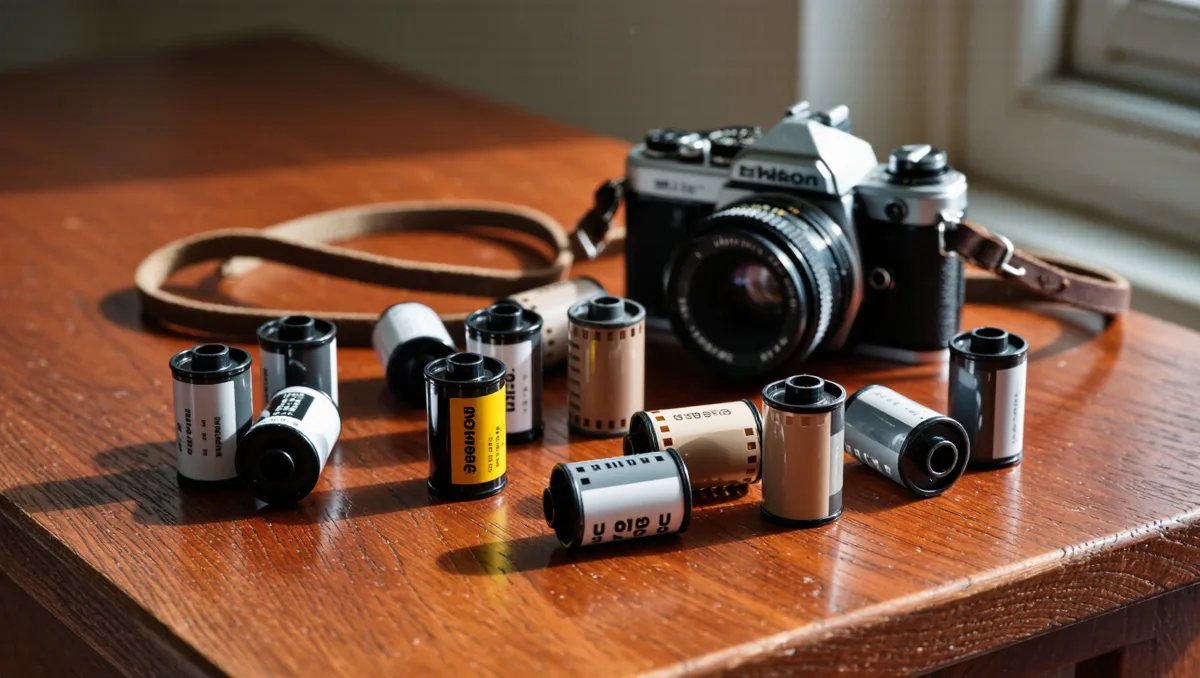
A walk through the chemistry, the enlargers, and the people whose hands touch every negative.
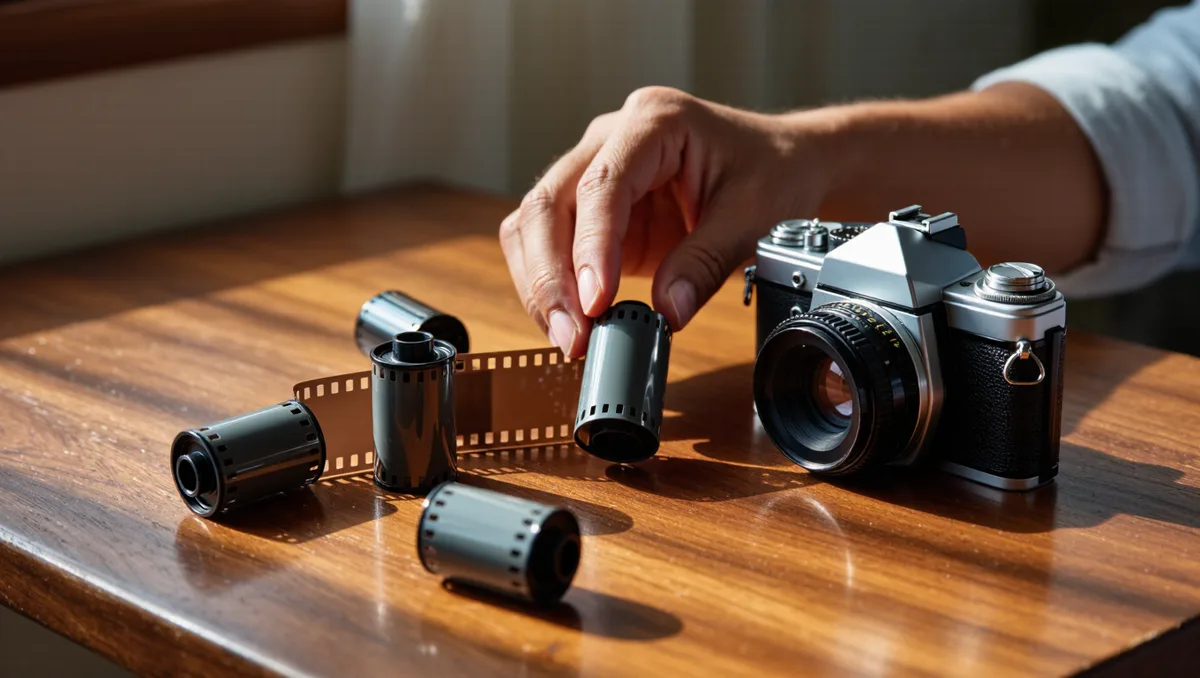
Replicas, franken-cameras and mislabeled classics are everywhere at markets and online. Here is how to read the tell-tale signs before money changes hands.
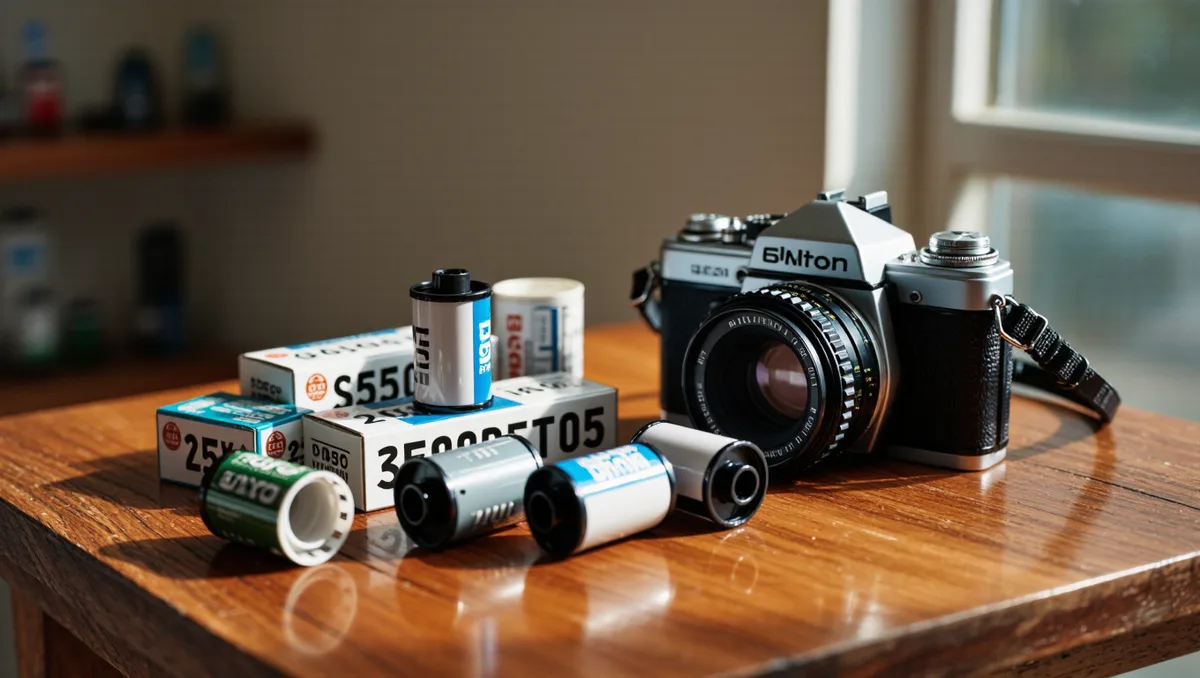
A ranking is only as honest as its criteria. Here is what actually separates a good mail-in lab from a careless one, and how to judge price, scans, and packaging without trusting a star rating.
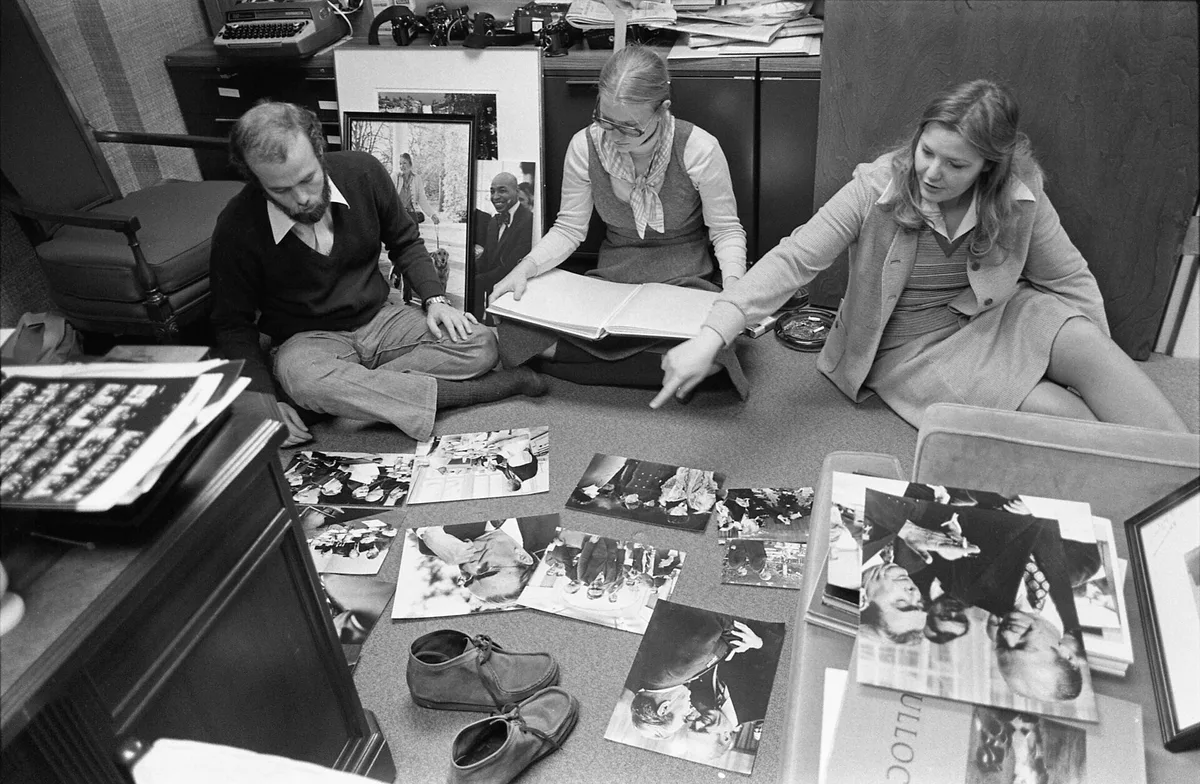
Light, color fidelity and patience: what painters, printmakers and galleries need to document work that sells and survives.