Cyanotype Process — Cyanotype Beyond the Blue: The Oldest Process Finds New Fans
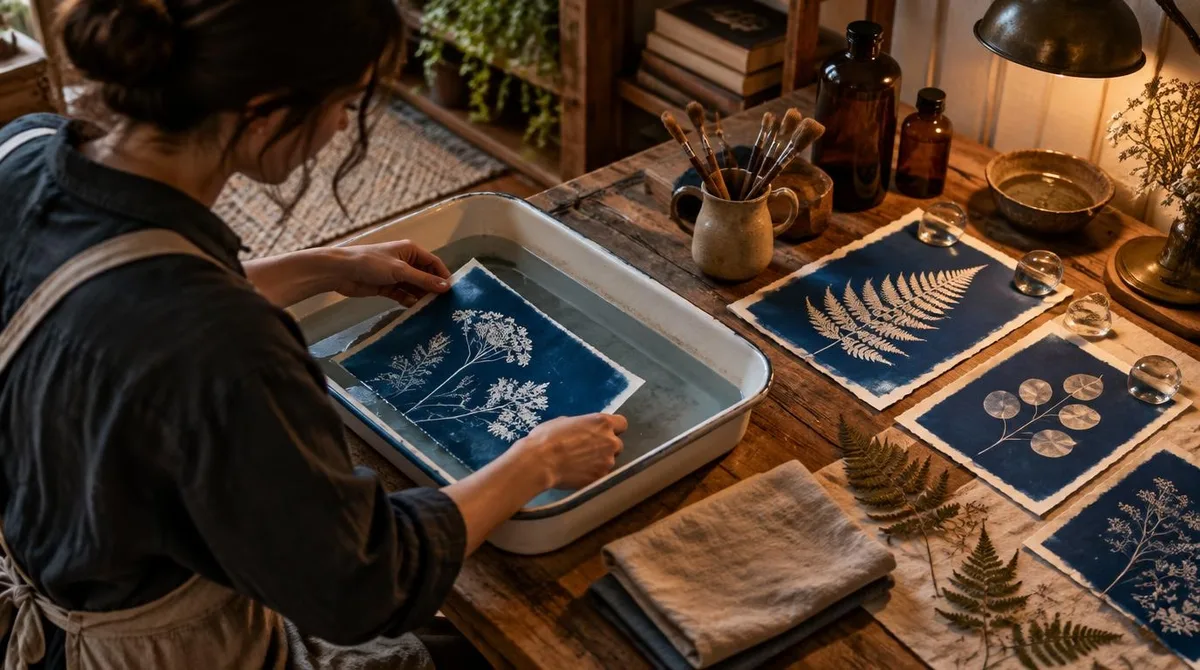
The cyanotype process, announced by Sir John Herschel in 1842, still needs only two chemicals and water, and about 10 English-language books a year now carry its name.
The cyanotype process, announced by Sir John Herschel in 1842, still needs only two chemicals and water, and about 10 English-language books a year now carry its name.
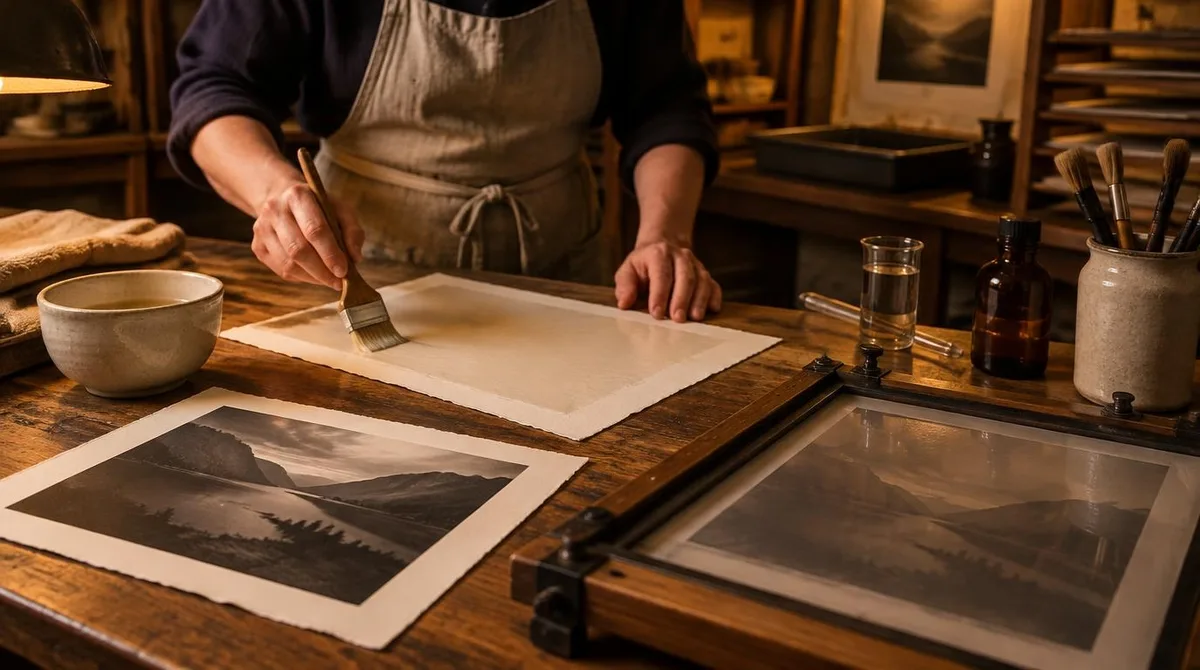
Platinum and palladium printing survives on hand-coated paper and an archival reputation that traces back to William Willis and his 1873 platinotype patent.

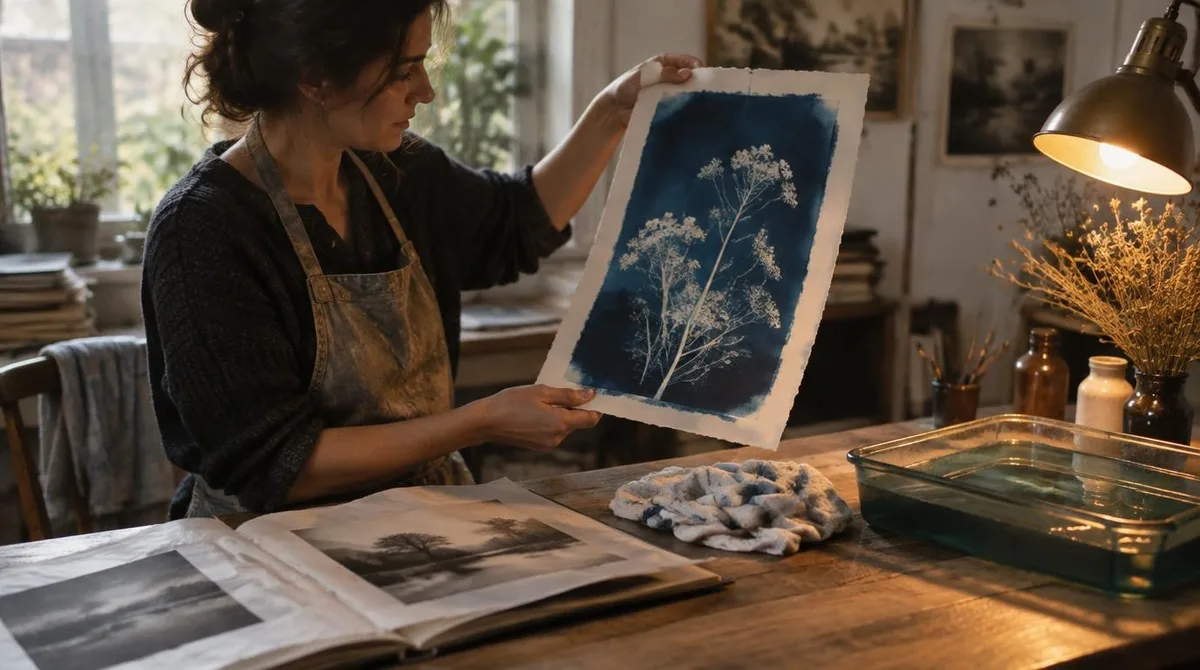
Cyanotypes and platinum prints give contemporary artists an object with hand marks and chemistry that a plain digital file cannot copy.

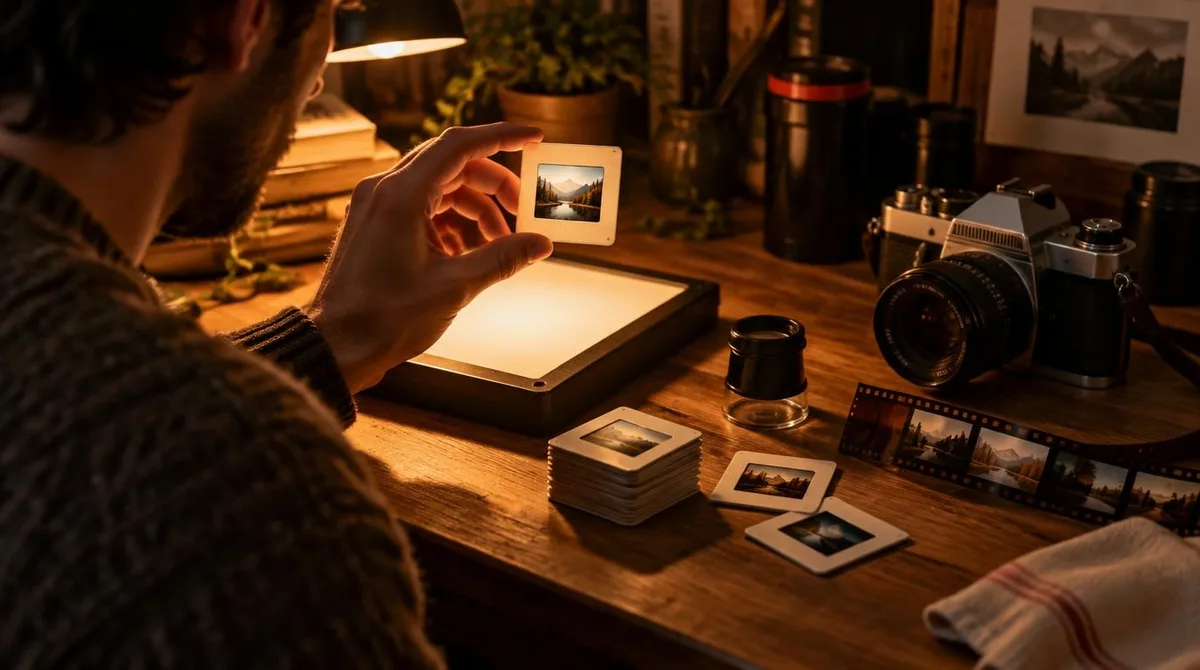
Slide film returns a finished positive, and Kodak's Ektachrome, back in 35 mm since 2018, is the stock that carries the reversal look today.

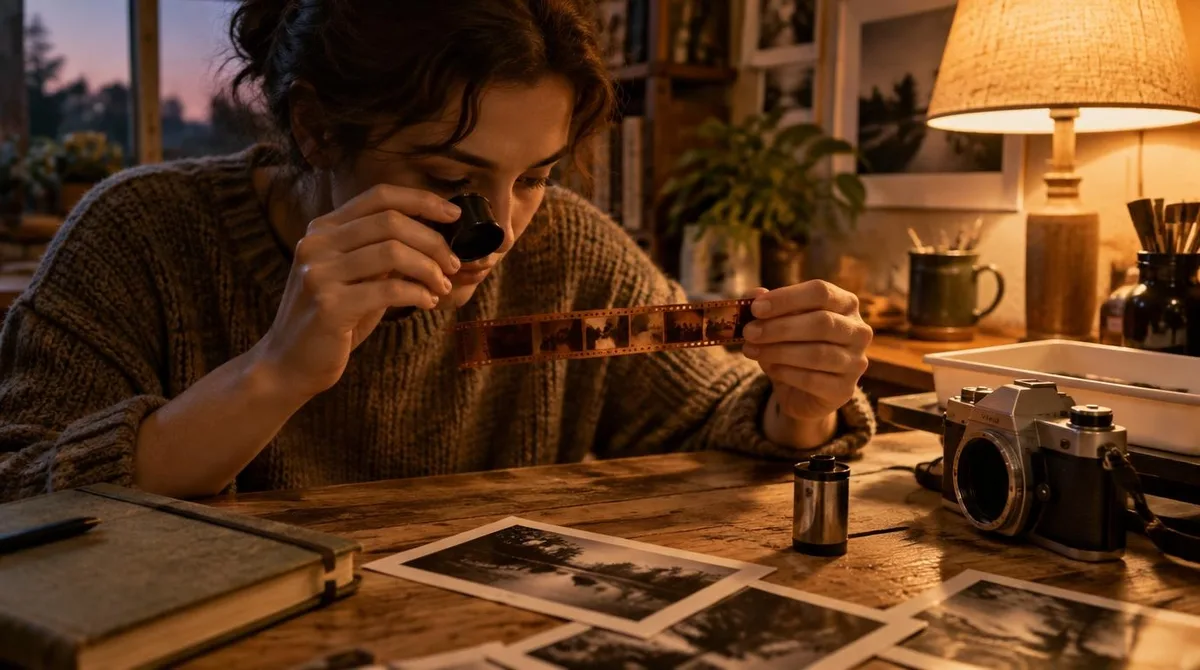
The gauge that started in Edison's lab still runs the stills world. Here's what the strip actually is and how to pick a speed.

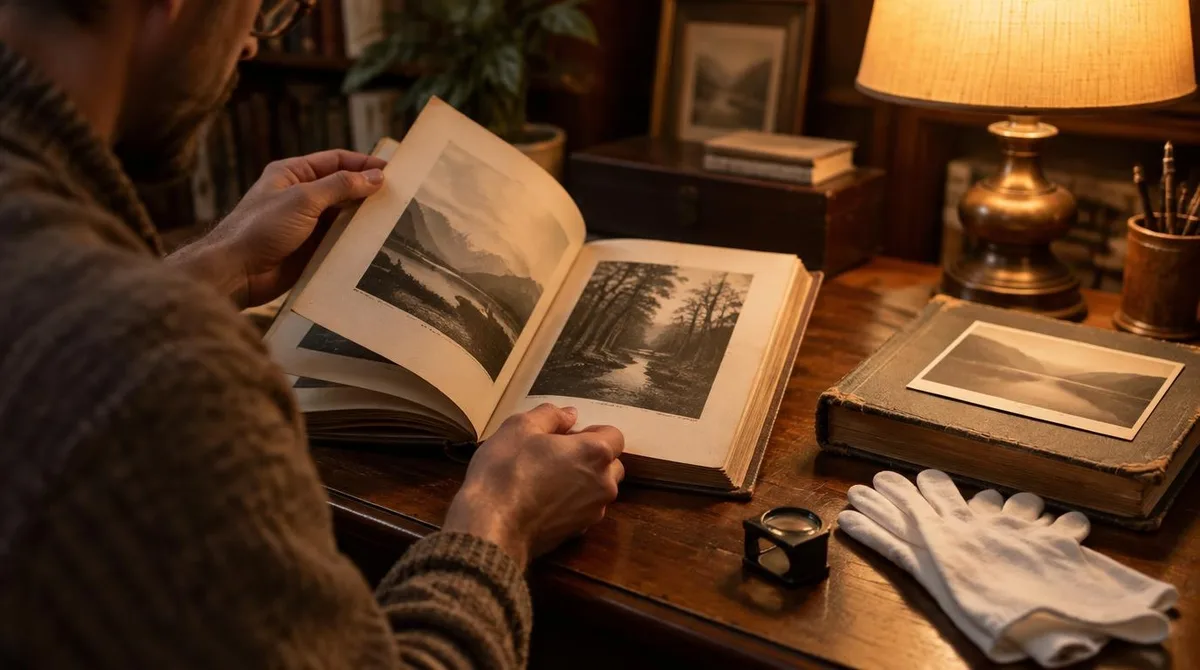
Few early photo books survive light and handling, and Robert Frank’s The Americans went from poor sales to landmark status after its 1958 debut.

Cinema keeps casting the darkroom as the room where secrets surface, from Blow-Up's enlarger to Kodachrome's real processing deadline.

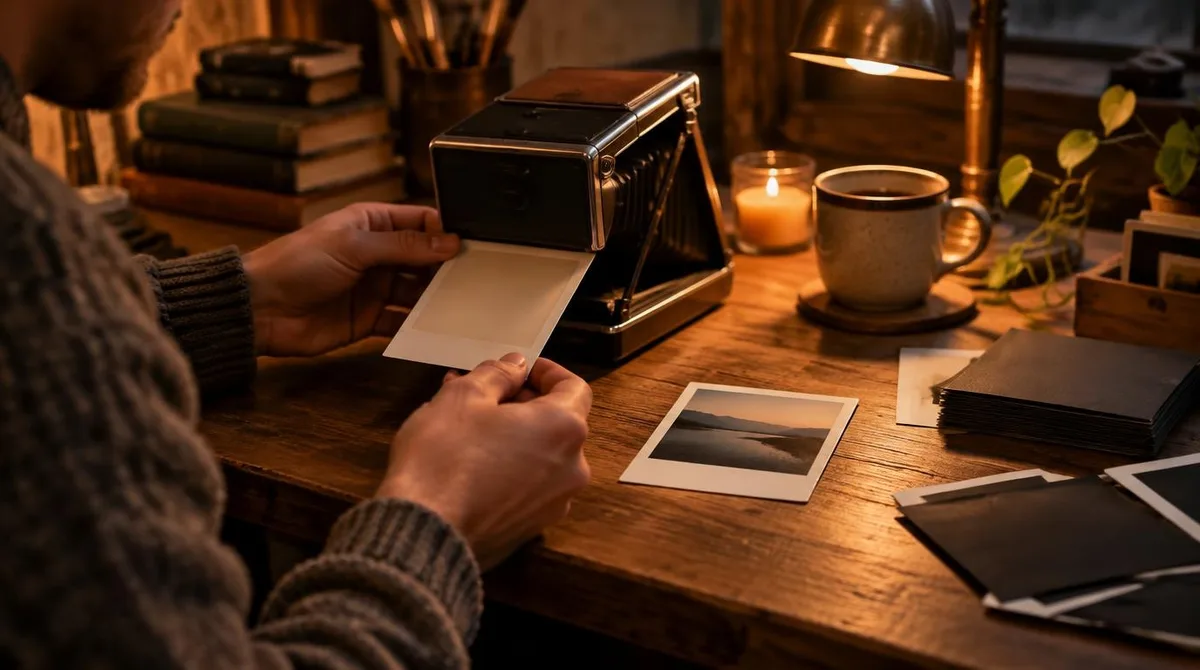
Instant film carries its developer inside the sheet, so a picture finishes itself in minutes without a lab or a tank.

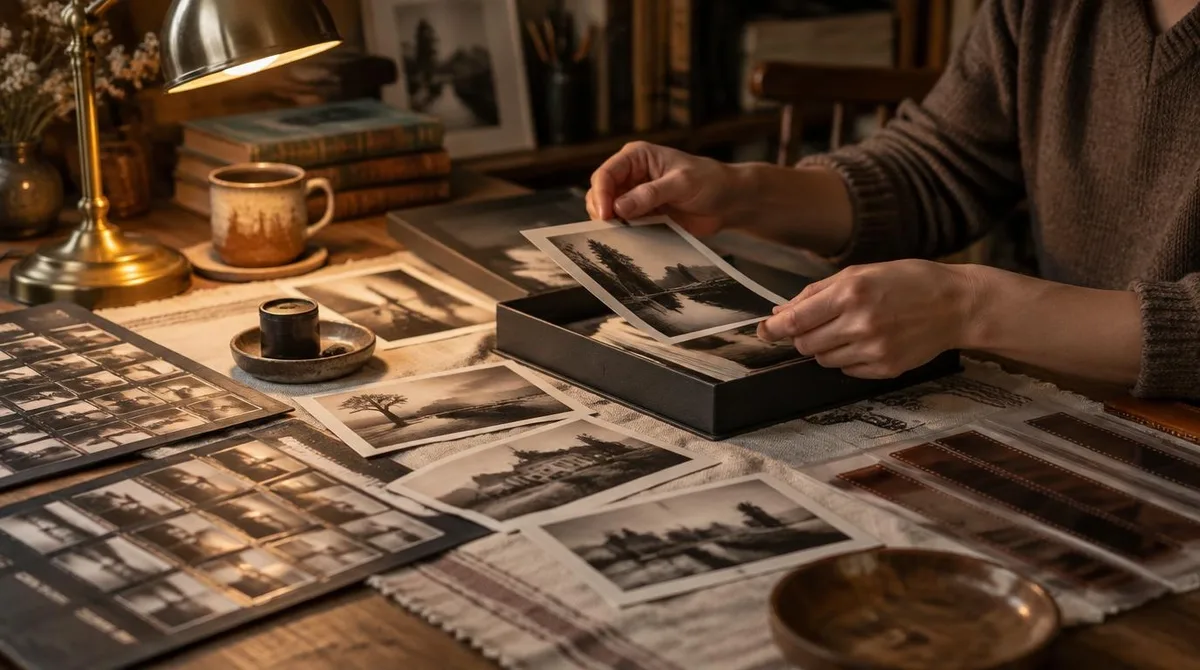
Editors do not browse. They judge fast, and a film portfolio has to survive that judgment in the first ten images.

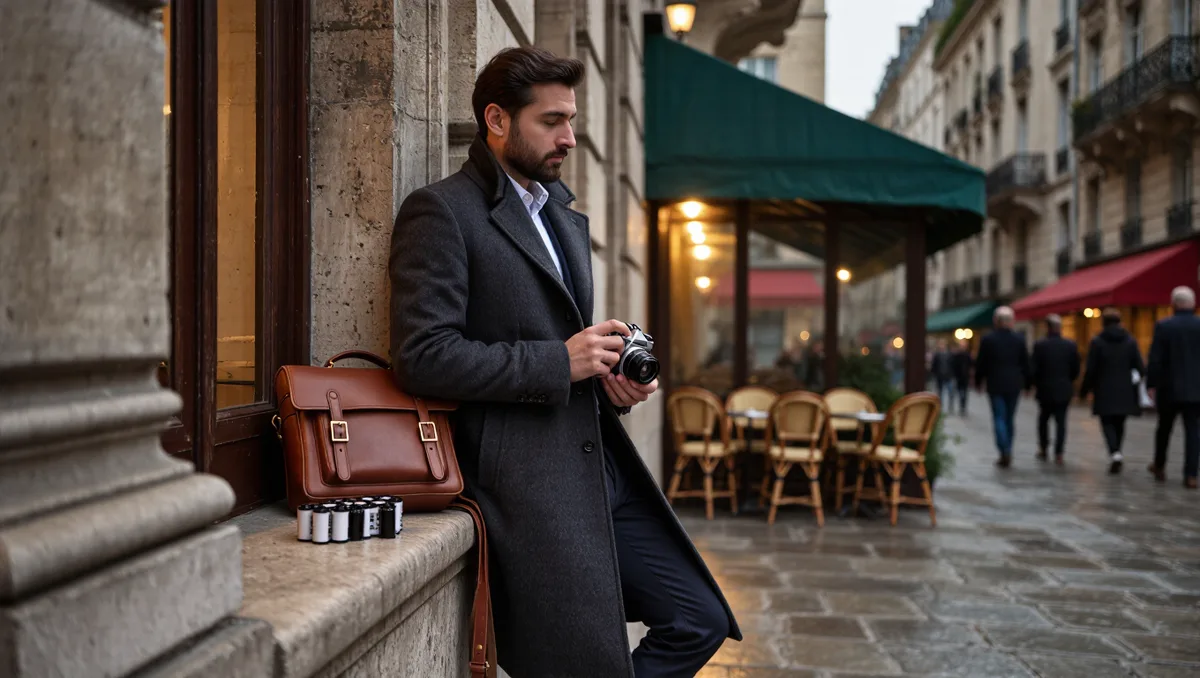
Film street photography is legal across most public places, a genre reaching back to Daguerre in 1838, where the real work is conduct: knowing the law, honoring strangers, and keeping the nerve to press once.