Topic
Platinum Palladium Printing: The Resurgence of Platinum and Palladium Printing
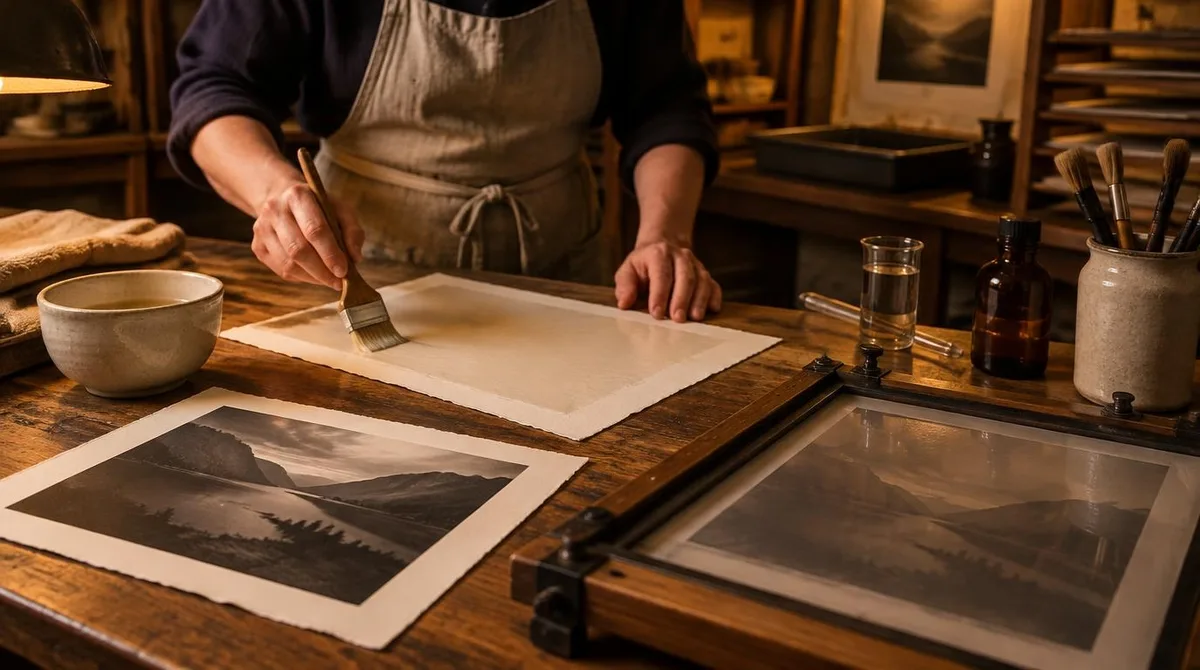
Platinum and palladium printing survives on hand-coated paper and an archival reputation that traces back to William Willis and his 1873 platinotype patent.
Platinum and palladium printing survives on hand-coated paper and an archival reputation that traces back to William Willis and his 1873 platinotype patent.
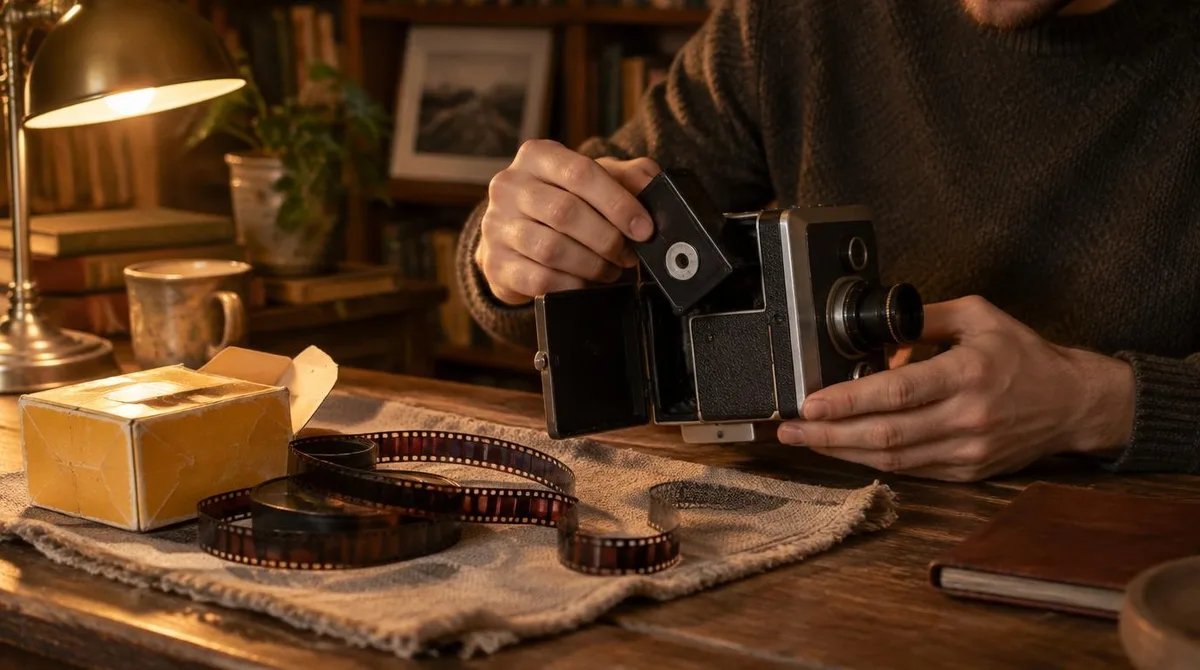
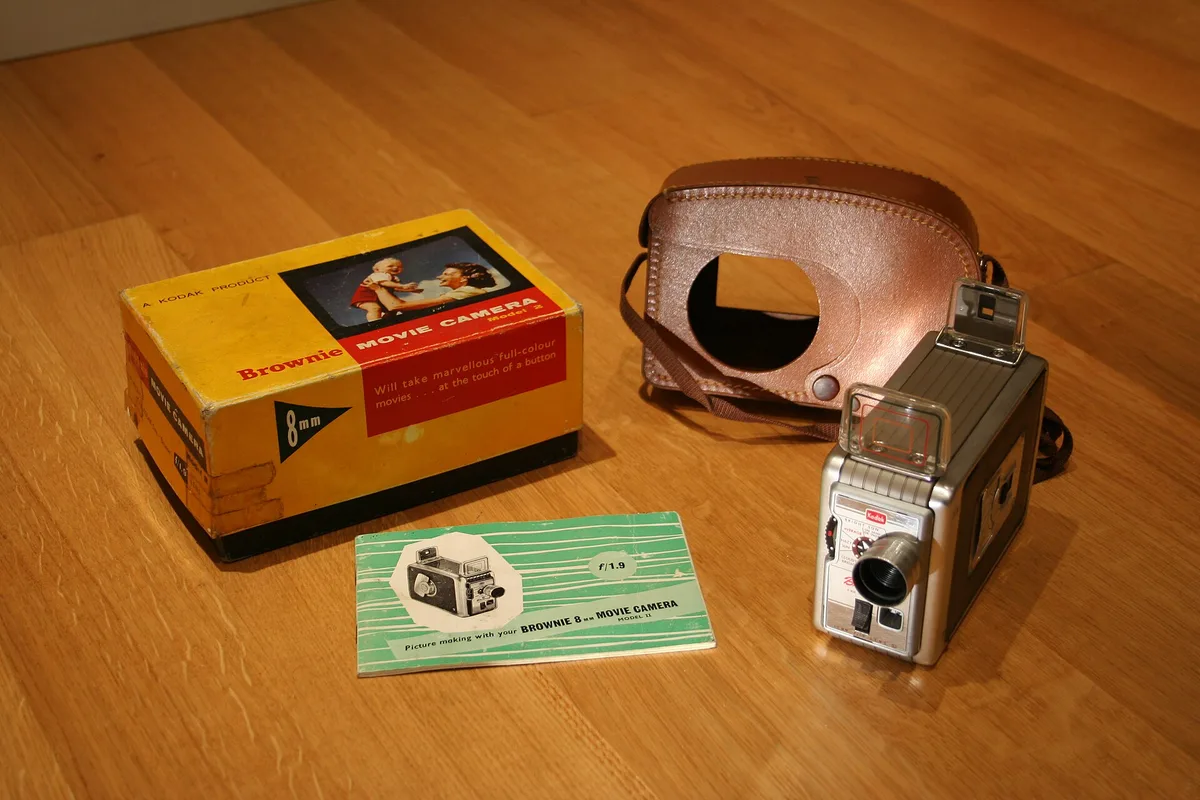
Motion picture film looks intimidating. It isn't. Here's how to pick a Super 8 body, budget for the film, and shoot your first roll without frustration.
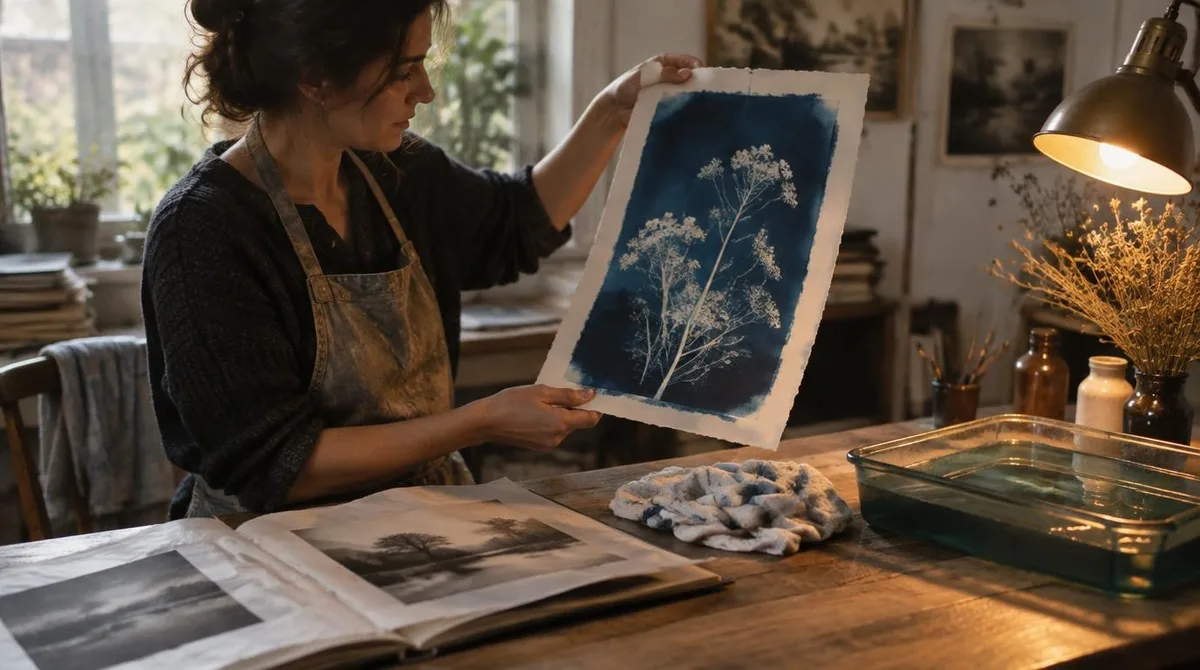
Cyanotypes and platinum prints give contemporary artists an object with hand marks and chemistry that a plain digital file cannot copy.
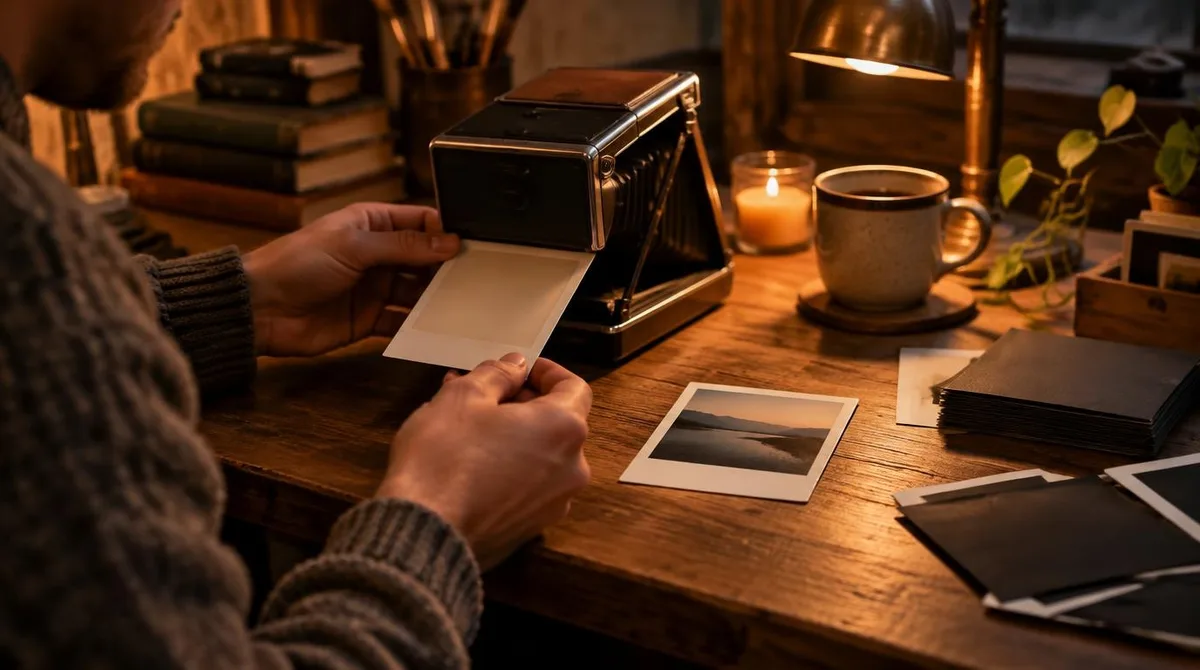
Instant film carries its developer inside the sheet, so a picture finishes itself in minutes without a lab or a tank.
A trustworthy local film lab runs real chemistry on site, C-41 color in as little as 20 minutes, careful hand-processed black and white, and clean scans of every frame.

The covers you remember share a few working traits — and none of them is luck.

Stop bath and a plain water rinse are not the same step. One halts the developer with acid, the other dilutes and slows it. Here is what each one does.
A ranking is only as honest as its criteria. Here is what actually separates a good mail-in lab from a careless one, and how to judge price, scans, and packaging without trusting a star rating.
What an editorial shoot on medium format actually looks like, hour by hour, when the camera takes one roll at a time.
What separates a storage room with cameras from a collection worth flying for.