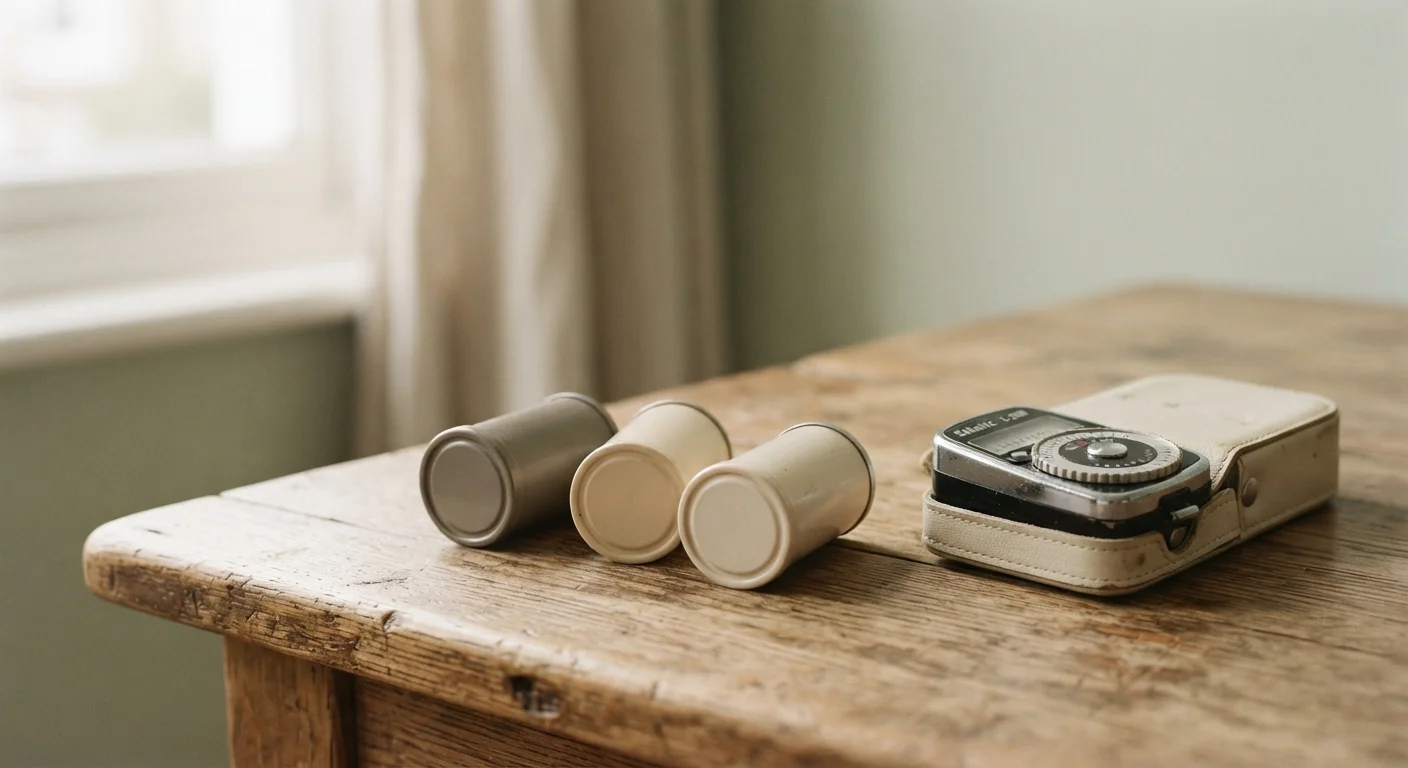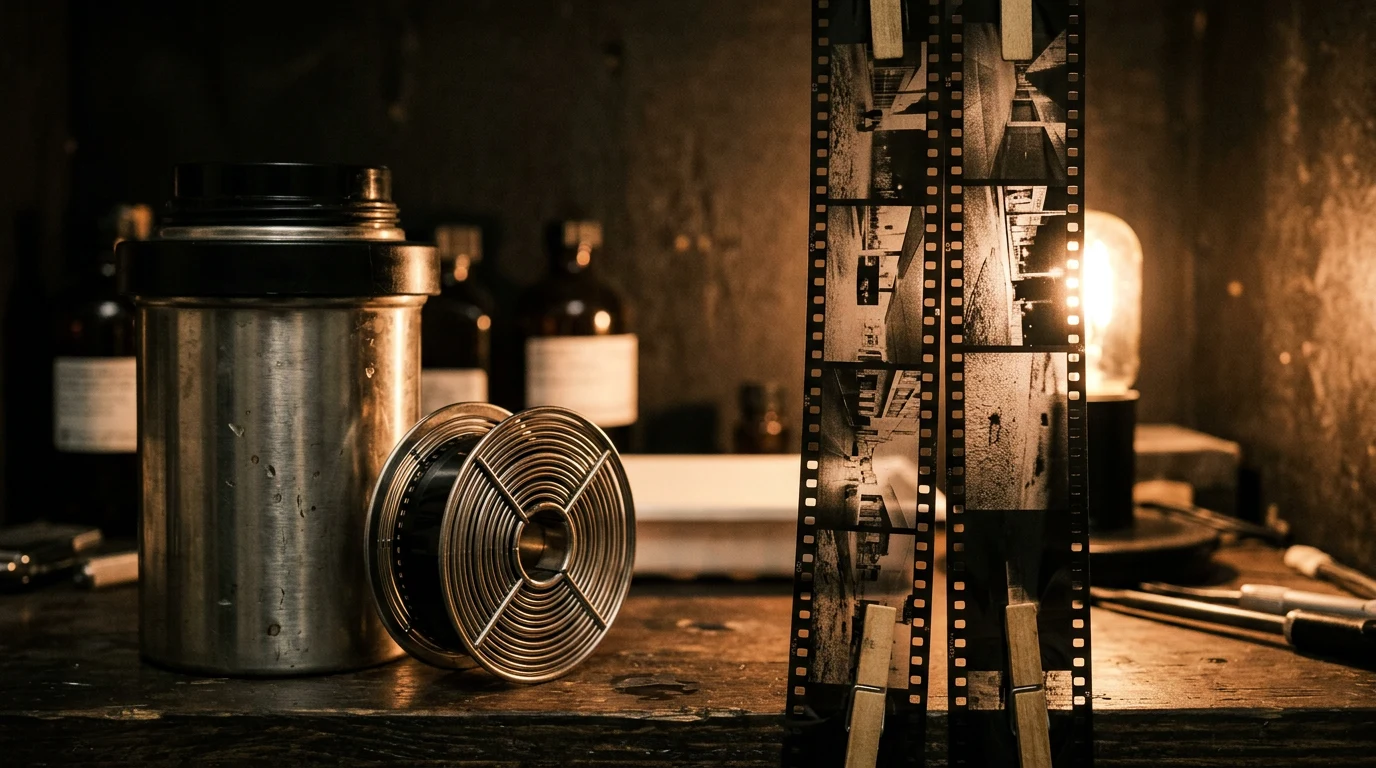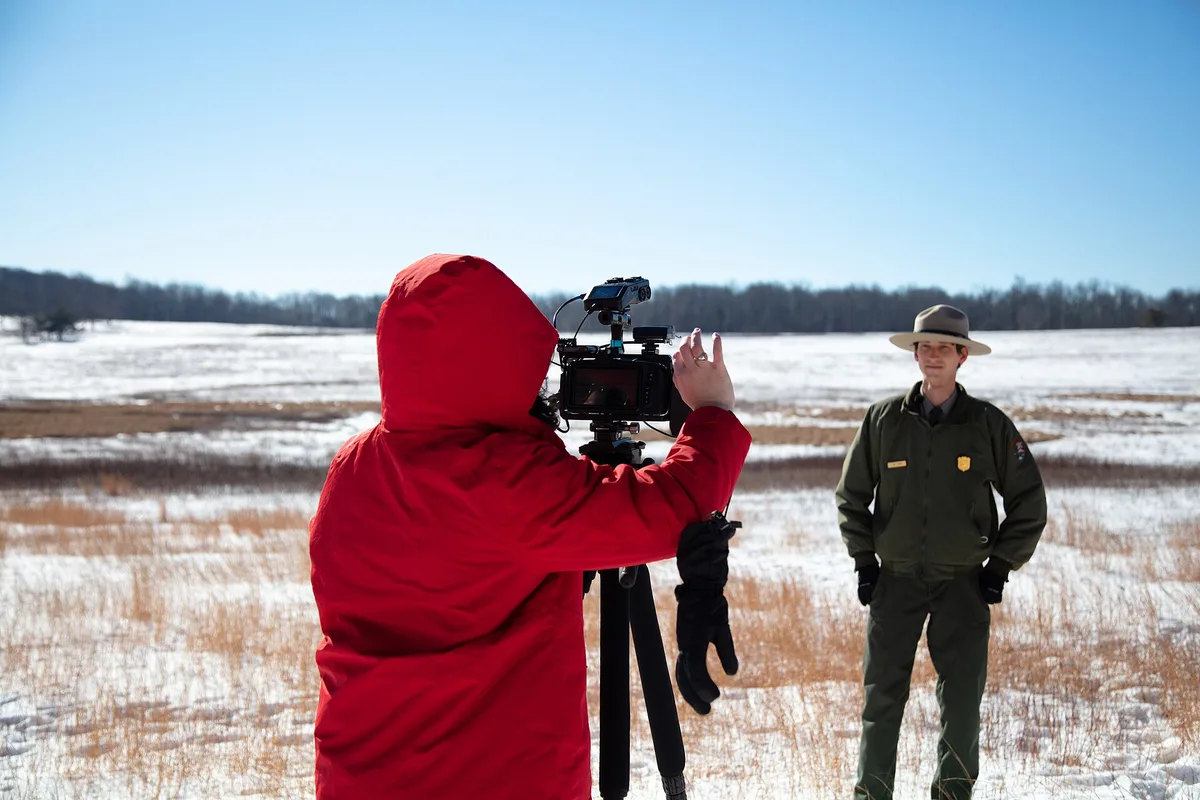
Winter is a generous season for film once the meter is trusted carefully. Fresh snow reflects as much as 90 percent of the light that lands on it — an albedo of 0.9, per the standard albedo reference — which is why a roll of Tri-X behaves differently over a snowfield than over wet asphalt.
The same light that flatters the eye flatters the negative: long shadows, clean air, and a sky that works like a giant softbox. The catches are cold, early dark, and a meter that snow can fool. The walk-through below covers the roll in the camera, the metering habit, the long-exposure chart, and the batteries in the pocket.
Let the Snow Do the Lighting Work
Snow is the largest reflector most shooters will ever stand on. Published values run from 0.9 for freshly fallen snow down to about 0.4 for melting snow and 0.2 for dirty snow, per the albedo record, and that brightness reshapes a whole scene. Up-light fills shadows under faces. White walls of snow bounce window light back into rooms. A gray afternoon over snow often exposes more gently than a sunny one in July.
Metering is where the season bites. Meters are built to render an average scene as middle gray, and a snowfield is not average. Trust the reading straight and the snow prints dull. Give the frame extra exposure and the white comes home, which is the whole trick of winter negatives.
Pick the Roll Before the Cold Does
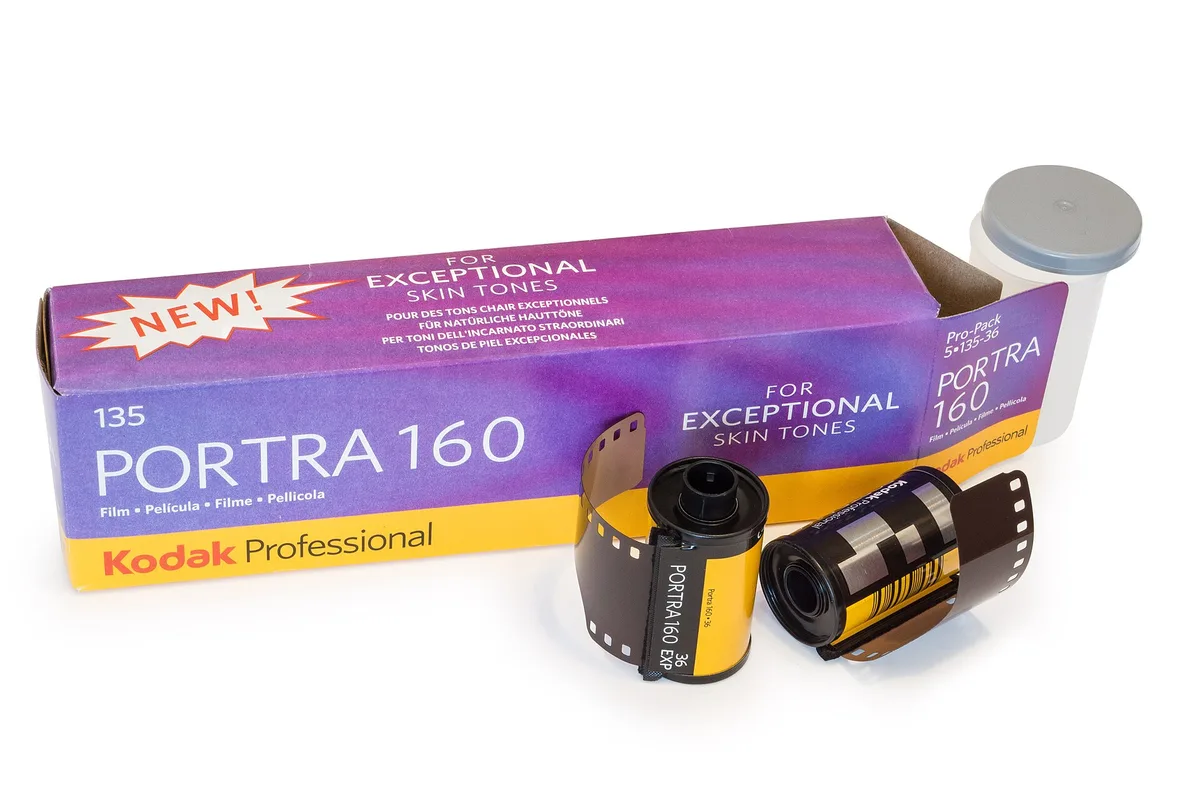
Short days reward the faster rolls in the drawer. The trade is the one every datasheet describes: speed for grain, convenience for texture. A quick black-and-white stock keeps shutter speeds handheld through the blue hour. Slower fine-grain films still earn their keep on bright snowfields, where the reflected fill lets a tripod shot stop down for sharpness. For related coverage, see Kodak Portra 160 vs 400: When the Slower Film Wins.
Color negative film takes the flat overcast days in stride, holding skin tones when the sun stays hidden for a week. Black-and-white turns bare trees, low sun, and long shadows into graphic studies. The choice is a mood decision as much as a technical one, and winter flatters both. This connects to our earlier piece, Portra 400 Is the Most Forgiving Color Film You Can Buy — That's the Whole Pitch.
When Dusk Comes Early, Mind the Chart
The winter evening is a long-exposure season, and long exposures change the rules. Reciprocity failure is the documented drift where film returns less response than the meter predicts outside its normal range, so the datasheet's correction chart earns its space in the camera bag. A dusk scene that meters for seconds may ask for far more once the chart speaks, and tripod work stops being optional.
The fix is a habit, not a struggle. Set up before the light goes. Read the chart for the stock in the camera before the trip, not on the frozen bridge. Bracket the long frames, because each film answers the drift a little differently.
Keep the Batteries Warm, Keep Shooting
Cold reaches the electronics first. At low temperatures a battery cannot deliver as much power, per the standard battery reference, which is why metered cameras slow down and light meters wander on bitter mornings. Fully mechanical bodies shrug and keep firing. Spare cells live in an inside pocket, close to body heat, and rotate through the camera instead of camping in it.
Film itself prefers gentle handling in a freeze. Wind the advance with even pressure, tuck the camera inside the coat between frames, and let gear reach room temperature indoors before the back is opened, so condensation stays off the emulsion.
Conclusion: Winter Is a Season, Not a Stop
Harsh winter light is generous once the habits click: extra exposure over bright snow, faster rolls in short days, the reciprocity chart after early dusk, and warm batteries. A beginner can start with one rule, which is to give snow its brightness back. A committed shooter will find the clean air and low sun repay every frozen fingertip with negatives no summer walk can match.