Film noir gave photography its most copied look: hard light, deep shadow, a city that feels like a trap. The classic period ran from the 1940s into the 1950s, per Wikipedia's film noir entry, built on low-key, black-and-white lighting with roots in German expressionism, and helped along by a faster Eastman Kodak stock released in 1935.
The style never left. It walked out of the crime dramas and into portrait studios, street work, and night shoots, and it still shapes how photographers see a wet street after rain. The recipe is public, the tools are plain, and the style rewards almost any black-and-white roll.
What the classic films put on screen
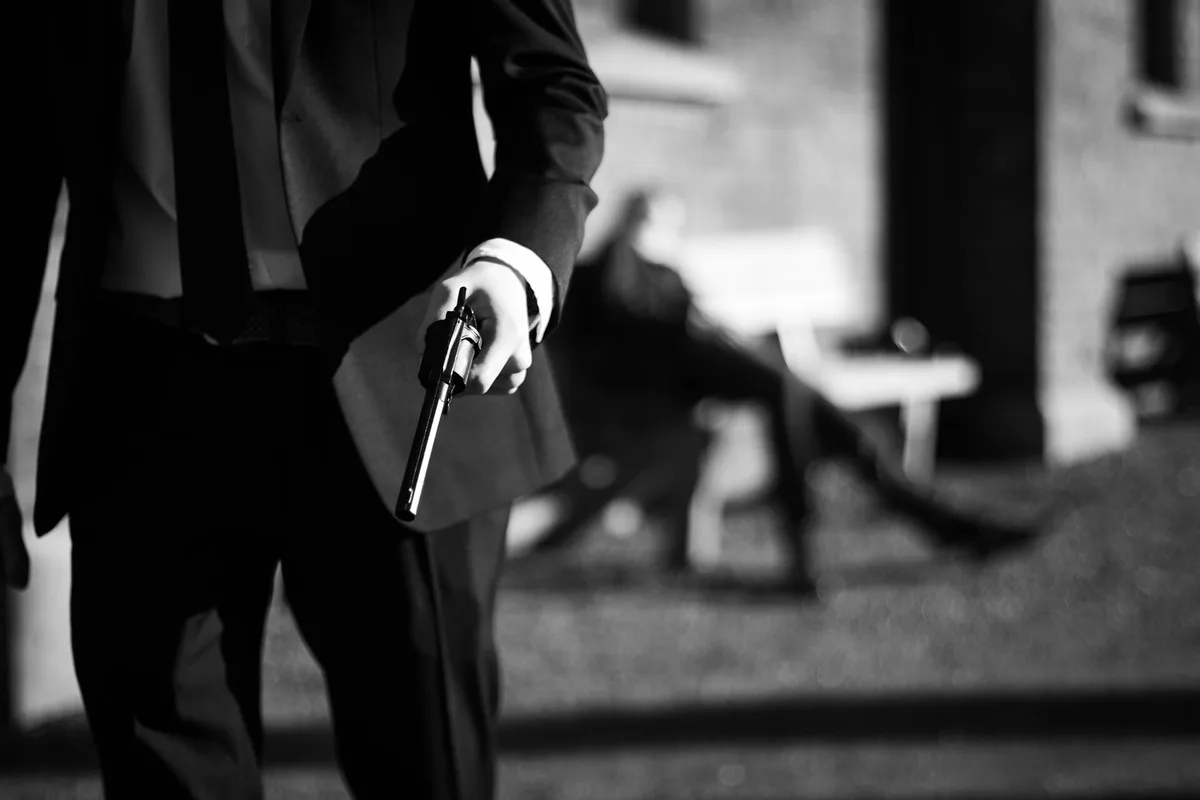
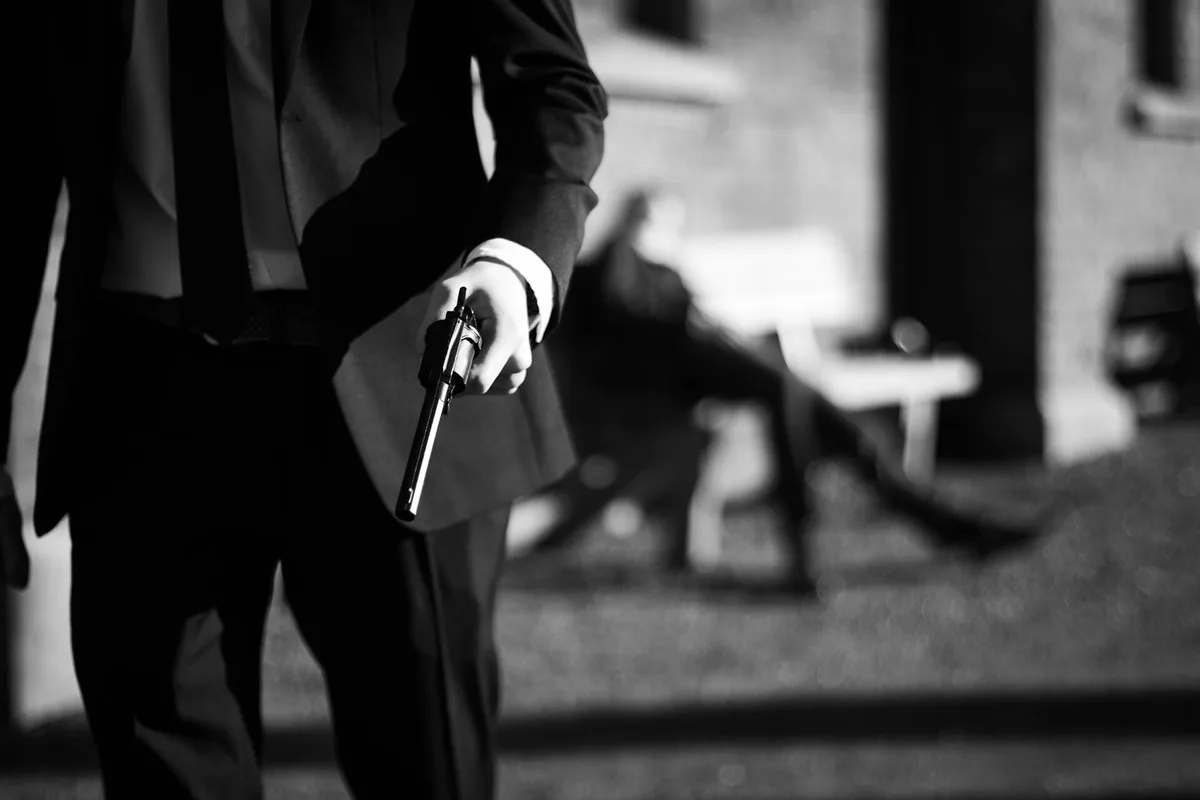
The entry reads like a lighting course. Classic noir is tied to stark contrasts of light and dark, a style called chiaroscuro, a term borrowed from Renaissance painting, per Wikipedia's film noir entry. Shadows from Venetian blinds or banister rods fall across faces and walls. Characters hide half in darkness, a rare sight in Hollywood work of that era.
The camera work stays just as pointed. The entry counts low-angle, wide-angle, and Dutch angle shots among noir habits, along with faces caught in mirrors and views bent through curved glass. Night-for-night shooting replaced the usual day-for-night trick. Location work grew more common from the mid-1940s on.
The faster film that started it
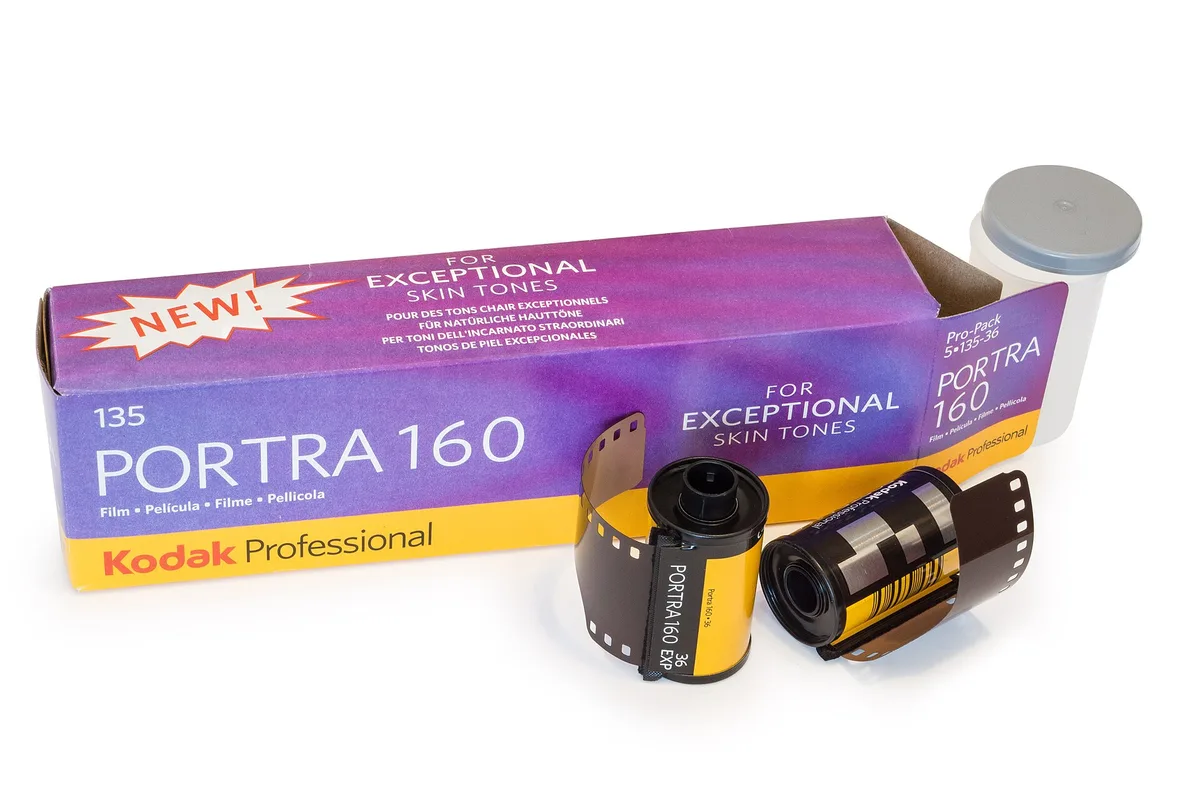
One film stock deserves the credit line. Beginning in 1935, Eastman Kodak released a new, higher-speed stock, per the entry. Because it captured light faster, crews no longer needed to flood a set with lamps, so lighting turned expressive and scenes turned dark, dominated by shadow. The entry adds a coda: by the 1950s the unstable nitrate base gave way to acetate safety film, which drew a flatter, less contrasty image, and the hard noir look faded with it. Readers following this should also see Kodak Portra 800 in Low Light.
The light that builds the mood
Low-key lighting is a style for photography, film, or television, and it is a necessary element in creating a chiaroscuro effect, per Wikipedia's low-key lighting entry. Classic three-point lighting carries a key, a fill, and a back light. Low-key often runs on the key alone, maybe tamed by a simple reflector. The entry even puts a number on the mood: low key means a high lighting ratio, near 8:1, while high-key lighting can approach 1:1.
That ratio is the whole trick. A hard key light carves contours out of shade, and the entry notes the style heightens a viewer's sense of alienation, which is why dramas, film noir, and horror films all reach for it. We covered a connected angle in Portra 400 Is the Most Forgiving Color Film You Can Buy — That's the Whole Pitch.
How to borrow the look
- One lamp, no fill. The low-key entry keeps the kit small: a key light, an optional reflector, and nothing else on the stand.
- Let shadow eat half the frame. Noir faces sit partly in darkness, per the film noir entry, so put blinds, slats, or a doorway between the light and the subject and let the stripes fall.
- Work the street at night. The entry lists night-for-night shooting, mirrors, and skewed angles as noir signatures, and cities still stage all three after dark.
- Choose speed over size. Kodak's 1935 higher-speed stock bought darker scenes with fewer lamps, per the entry, and a fast modern roll buys the same freedom handheld.
From neon signs to modern negs
The legacy runs straight through current work. The film noir entry tracks a neo-noir wave and its neon-noir strain, which keeps the old chiaroscuro but swaps the streetlamp for neon signs and brightly lit buildings. Michael Mann's Thief from 1981 and Heat from 1995 sit in that mode, per the entry. For a stills shooter the translation is short: a city at night already stages the genre, and a high-ratio print finishes it.
Conclusion: shadow is a choice, so choose it
Film noir survives because its look costs almost nothing to copy: one hard light, deep shade, and patience. A portrait shooter can start with a single lamp and push the ratio toward the entry's 8:1 until faces turn into terrain. A street shooter can chase rain, neon, and blinds instead of budgets. The style asked for one fast stock and one city with corners, and both remain easy to find.