Slide film hands you the finished picture: a positive on a clear base, straight from the chemistry. The stock to know today is Ektachrome, back in 35 mm on September 25, 2018 after a full stop by late 2013, per Wikipedia's entry. Here is how reversal film works and how to shoot it now.
Reversal film asks for a different rhythm than a negative. The exposure is the print, so metering matters, and the colors come home exactly as the lab made them. The reward is a mounted frame that glows on a light table with no printing step at all, on a look that magazines once built their name on.
What Reversal Film Actually Is
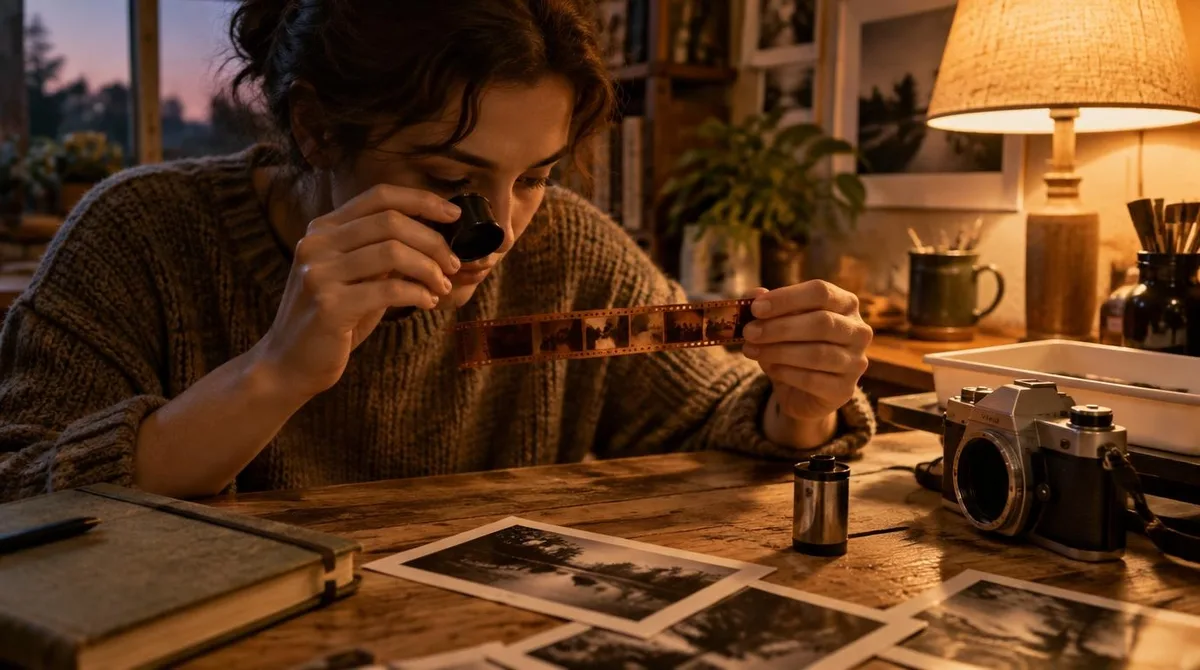
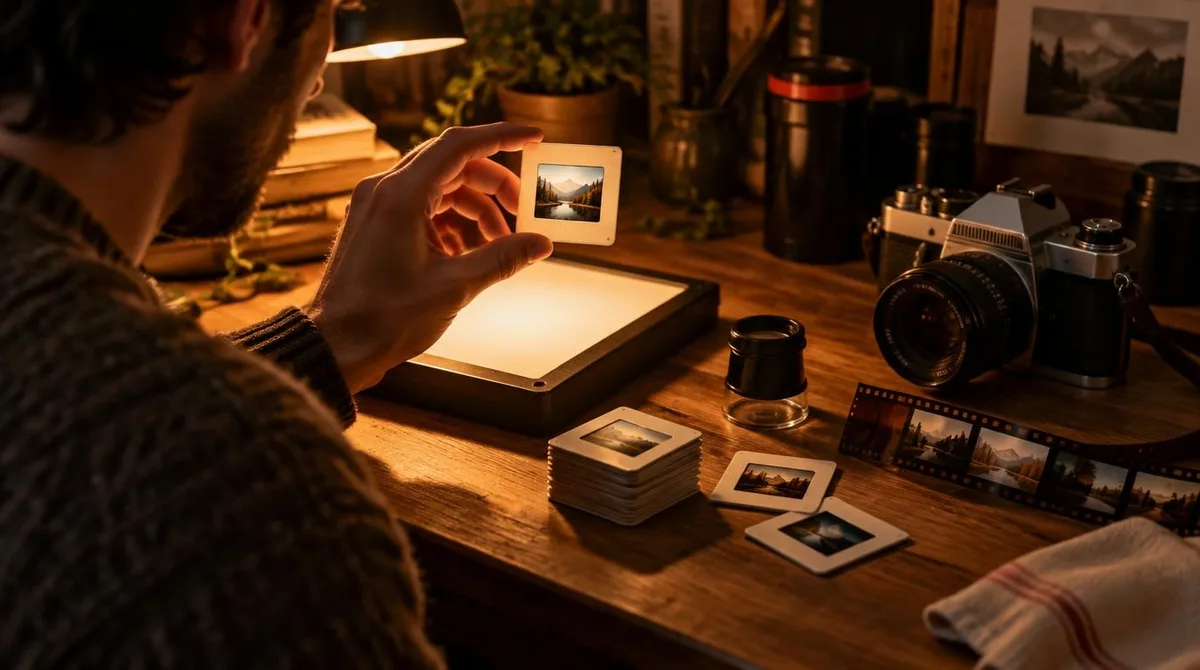
The name says the trick. Where a negative records a reversed image, reversal film produces a positive image on a transparent base, per Wikipedia's reversal film entry. The mounted frame is a diapositive, and the usual version is a 35 mm frame set in a 2 by 2 inch mount of cardboard or plastic, ready for a projector. Hold one up to a window and the picture glows like stained glass.
That directness shapes every habit around slides. There is no negative to rescue in the darkroom and no print to fix an error. The shot you take is the shot the frame shows. Shooters who come from negative stock feel the difference inside the first roll.
Why Ektachrome Carries the Look Today
Ektachrome arrived in 1946 and its look became familiar to readers of National Geographic, which used it extensively for decades in settings where Kodachrome was too slow, per the Wikipedia entry. Kodak wound the line down by late 2013, then brought the 35 mm format back on September 25, 2018. The entry also records a quiet gift for slow shooters: the film holds its speed between ten seconds and 1/10,000 of a second, so long exposures keep their color.
There is history in that choice of stock. Kodachrome's development was too intricate for small labs, while Ektachrome processing was simpler, per the same entry, so local labs could run it for decades. That openness is why the reversal look survived in community labs and home tanks alike.
Developing at Home: The E-6 Route
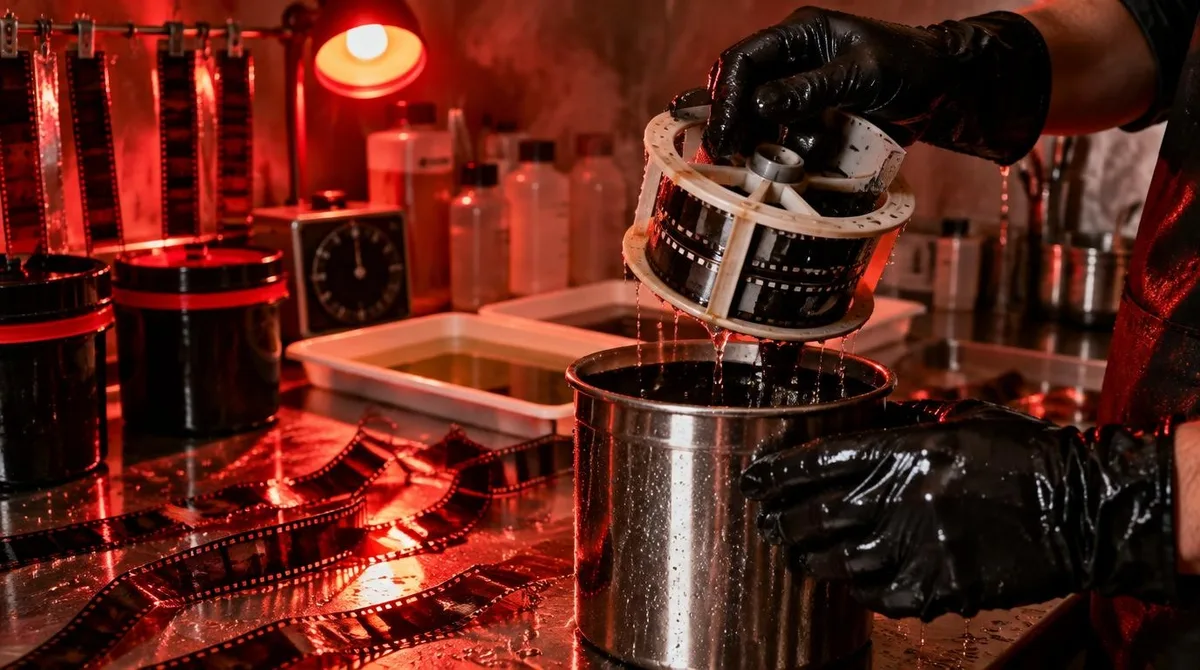
Modern Ektachrome runs through the E-6 process, and the barriers are lower than most shooters expect. The entry on the E-6 process notes that individual users can run it with the same equipment used for black-and-white or C-41 film. The one hard rule is heat. The first developer and first wash sit at 100.0 degrees Fahrenheit, 37.8 Celsius, and a heated water bath is mandatory to hold the tolerance.
- 1. Load the tank in total darkness, exactly as with a negative roll.
- 2. Set a water bath and hold the first developer at 100.0 degrees F.
- 3. Run the baths in order, keeping each time exact to the second.
- 4. Dry the strip, then mount the keepers or feed the scanner.
Labs still run E-6 at scale, too, so a home tank is a choice, not a chore. Many shooters send the first rolls out and only then start mixing chemistry.
Shooting Habits That Reward Slides
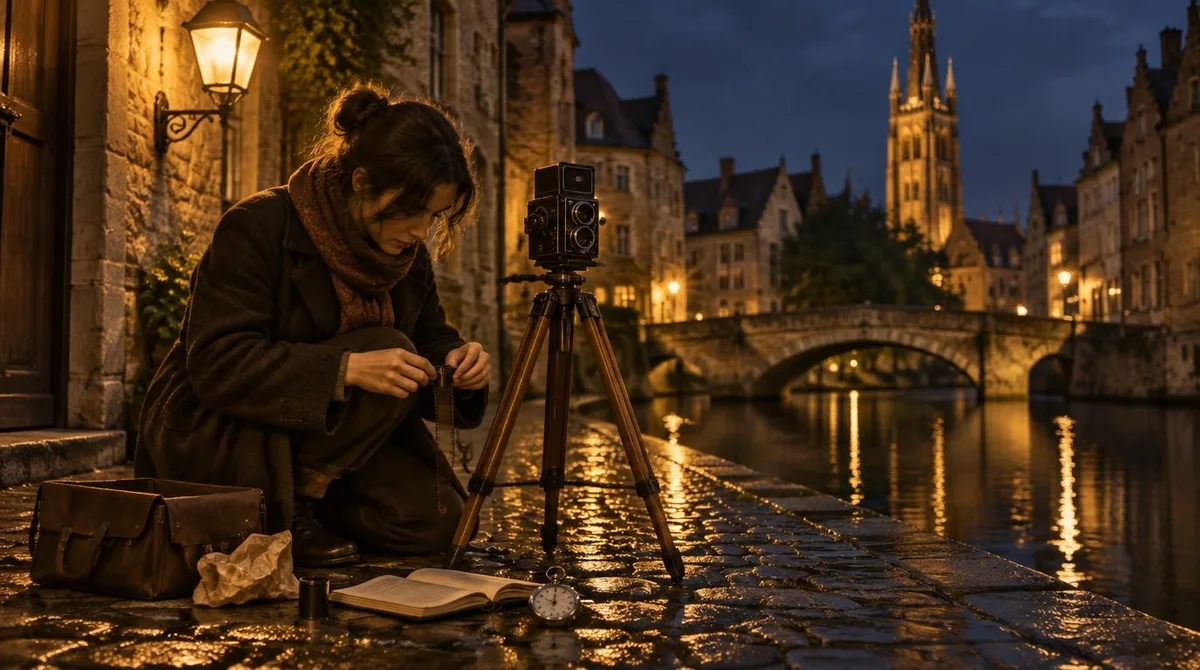
Meter with care, because the transparency leaves no print stage to soften a miss. Expose for the highlights you want to keep, and let shadows fall where they fall. Rate the roll at its marked speed for the first pass, then adjust by habit rather than hope. On a tripod, the long-exposure stability noted above buys night work that negative shooters lose to color shifts. This connects to our earlier piece, Kodak Ektar 100: Max Color.
Slides also change how a shoot ends. The keepers are projectable objects, not files, so a finished roll invites a screen, a dark room, and an audience. That small ceremony is half of why the format never fully went away.
Conclusion: Slides Still Earn Their Keep
Reversal film gives up forgiveness and takes back control. Shooters who project, scan, or simply want colors that arrive as shot will find Ektachrome a warm host, with a documented track record from 1946 to today. Shooters who work fast in messy light may still want negative stock in the bag. Start with one roll, meter with care, and hold the chemistry to its temperatures. The stain-glass glow on the light table does the rest. For related coverage, see 35mm Film Explained: Formats, Speeds, and What Shooters Should Know.