
Topic
The Darkroom in Cinema: How Movies Portray Analog Process
Cinema keeps casting the darkroom as the room where secrets surface, from Blow-Up's enlarger to Kodachrome's real processing deadline.
Cinema keeps casting the darkroom as the room where secrets surface, from Blow-Up's enlarger to Kodachrome's real processing deadline.
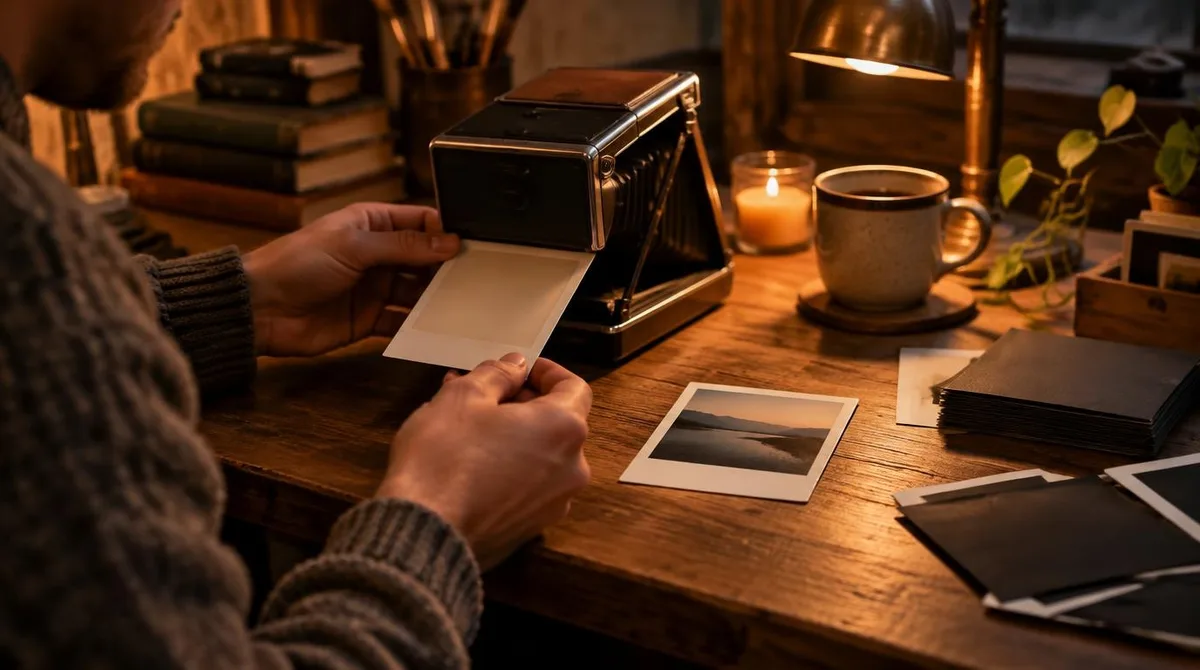
Instant film carries its developer inside the sheet, so a picture finishes itself in minutes without a lab or a tank.
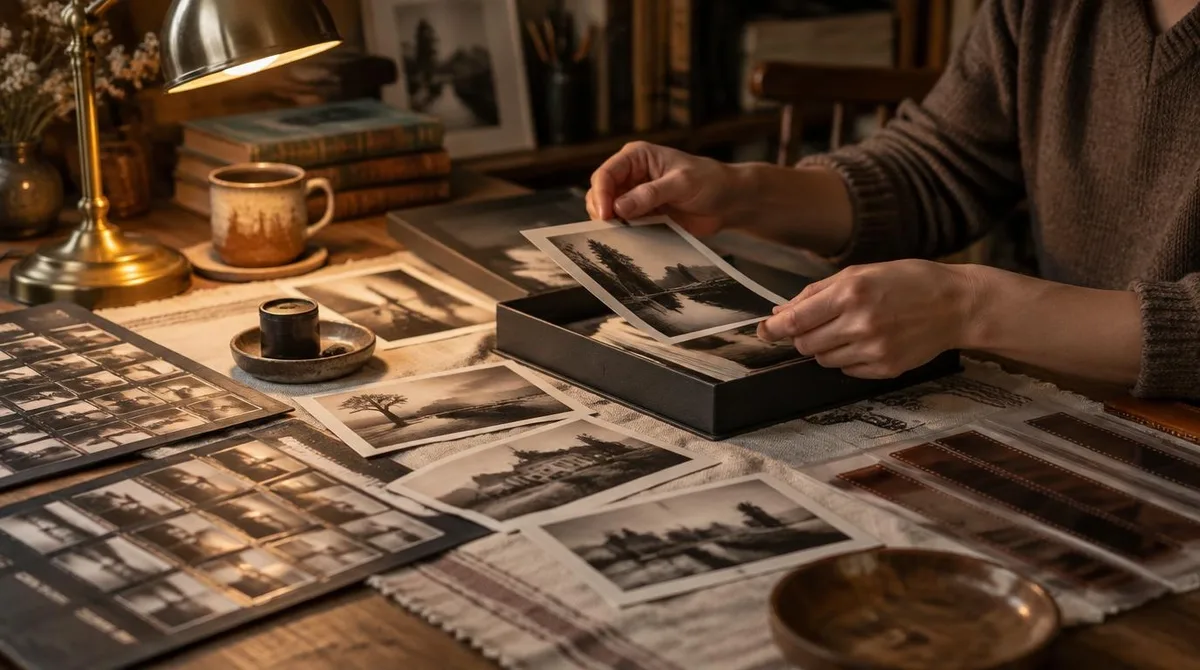
Editors do not browse. They judge fast, and a film portfolio has to survive that judgment in the first ten images.
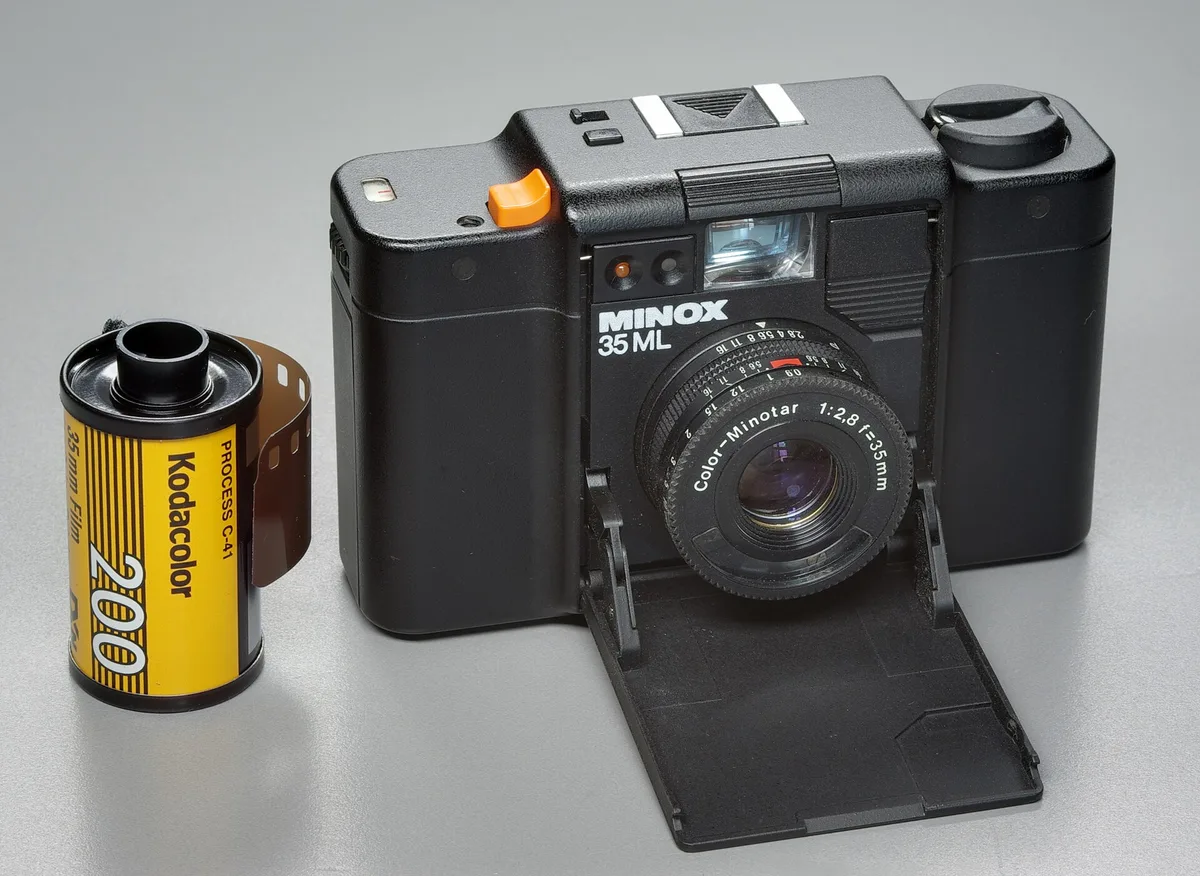
A humble point and shoot film camera is cheap fun, while hyped titanium compacts like the Contax T2 reward patience over impulse.
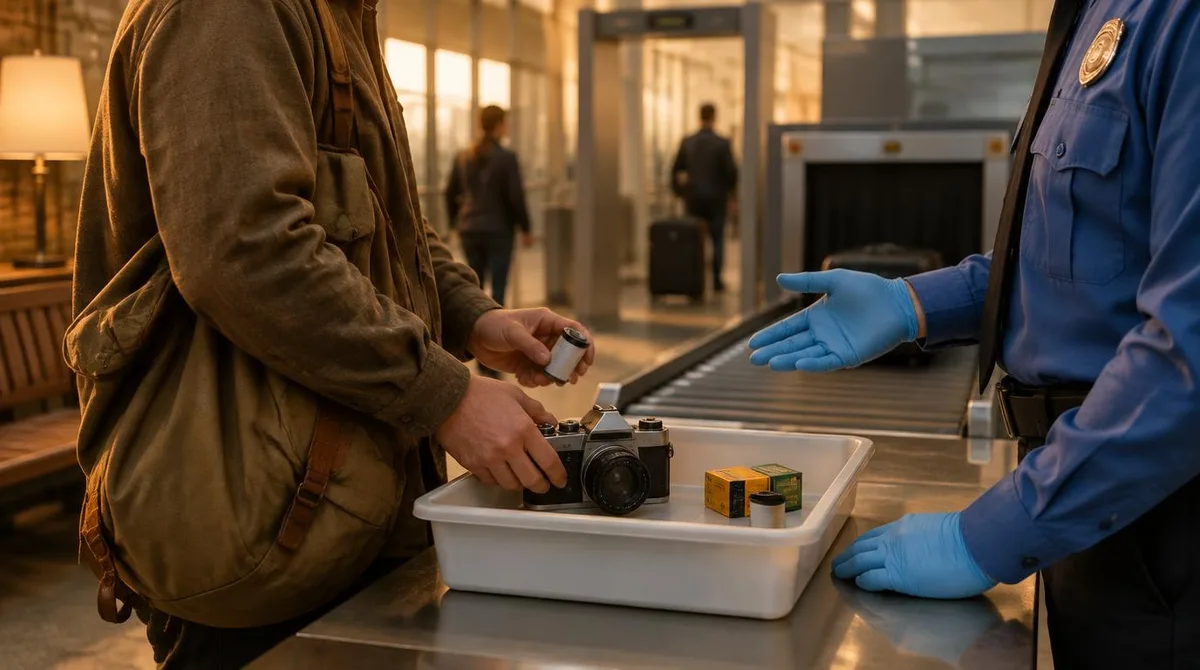
Airport X-ray risk starts above 800 ISO, and the TSA asks travelers to keep undeveloped film in carry-on bags and request hand inspection.
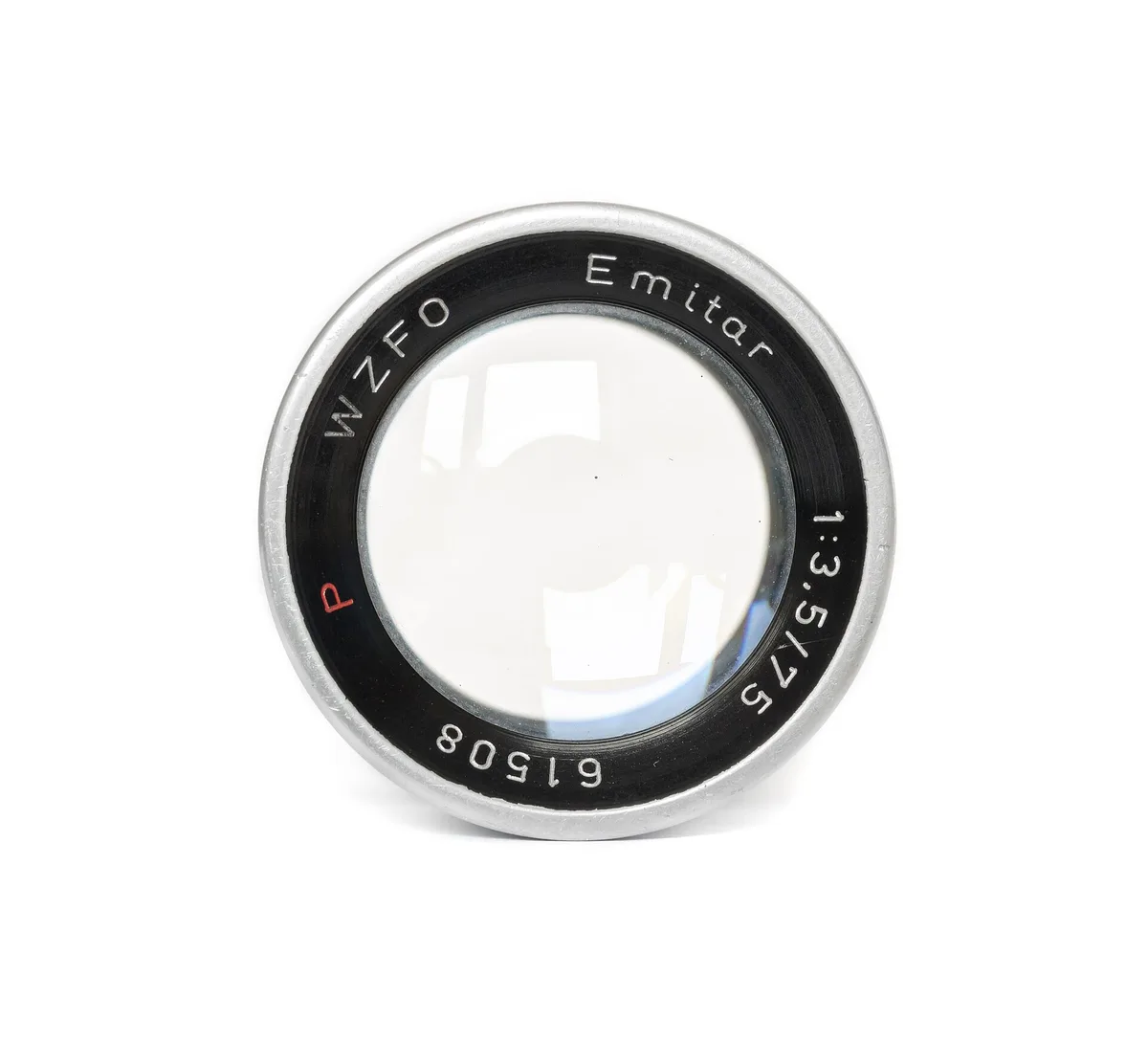
A twin lens reflex camera pairs two matched lenses with a waist-level finder, a design that has run since the Rolleiflex of 1929.
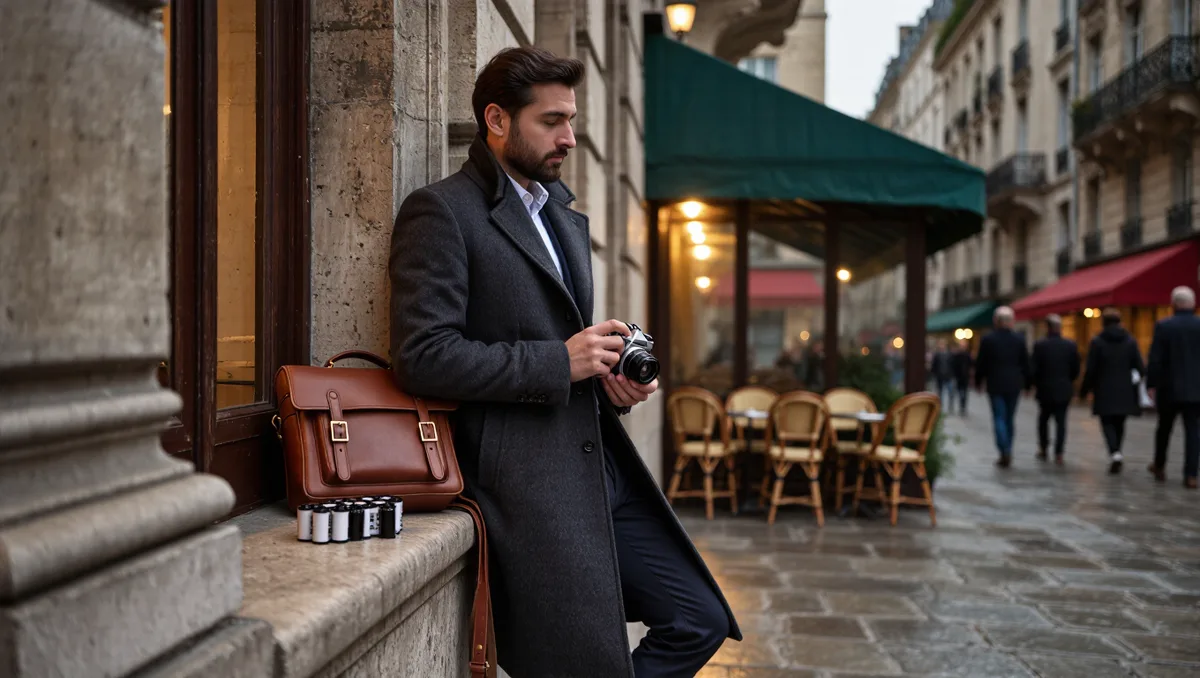
Film street photography is legal across most public places, a genre reaching back to Daguerre in 1838, where the real work is conduct: knowing the law, honoring strangers, and keeping the nerve to press once.
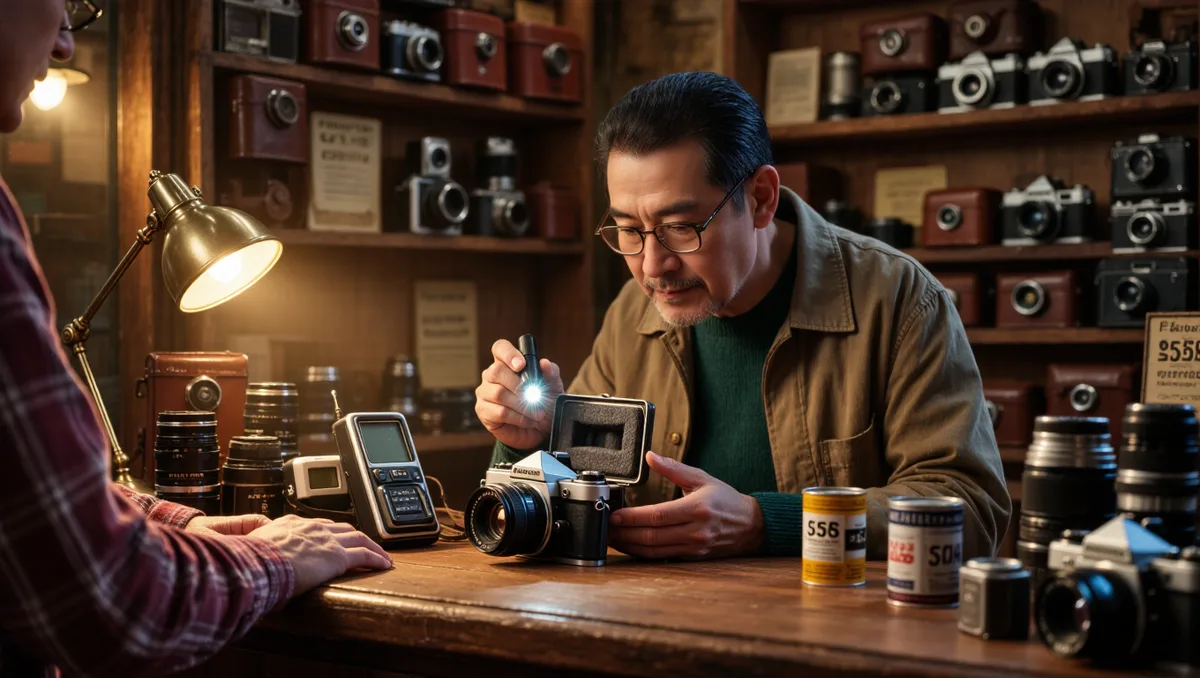
A patient inspection checklist for light seals, shutters, meters, and price — so the bargain stays a bargain.
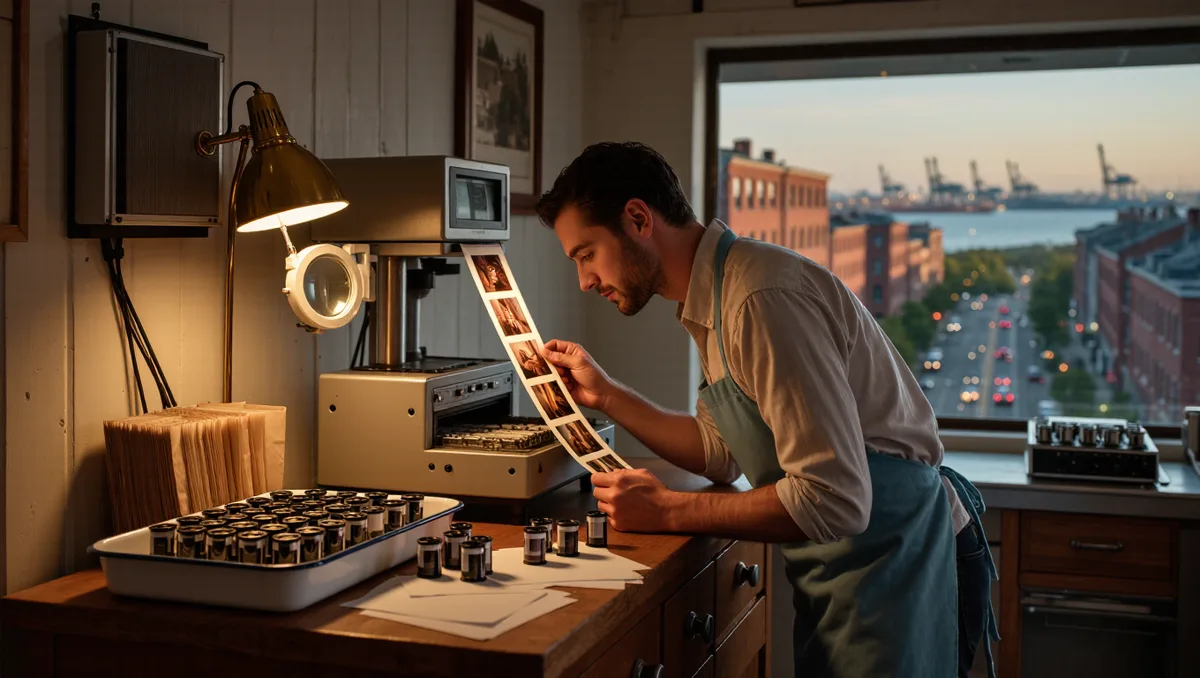
Margins are thin, chemistry is unforgiving, and the customers who keep a lab open are not who you think.
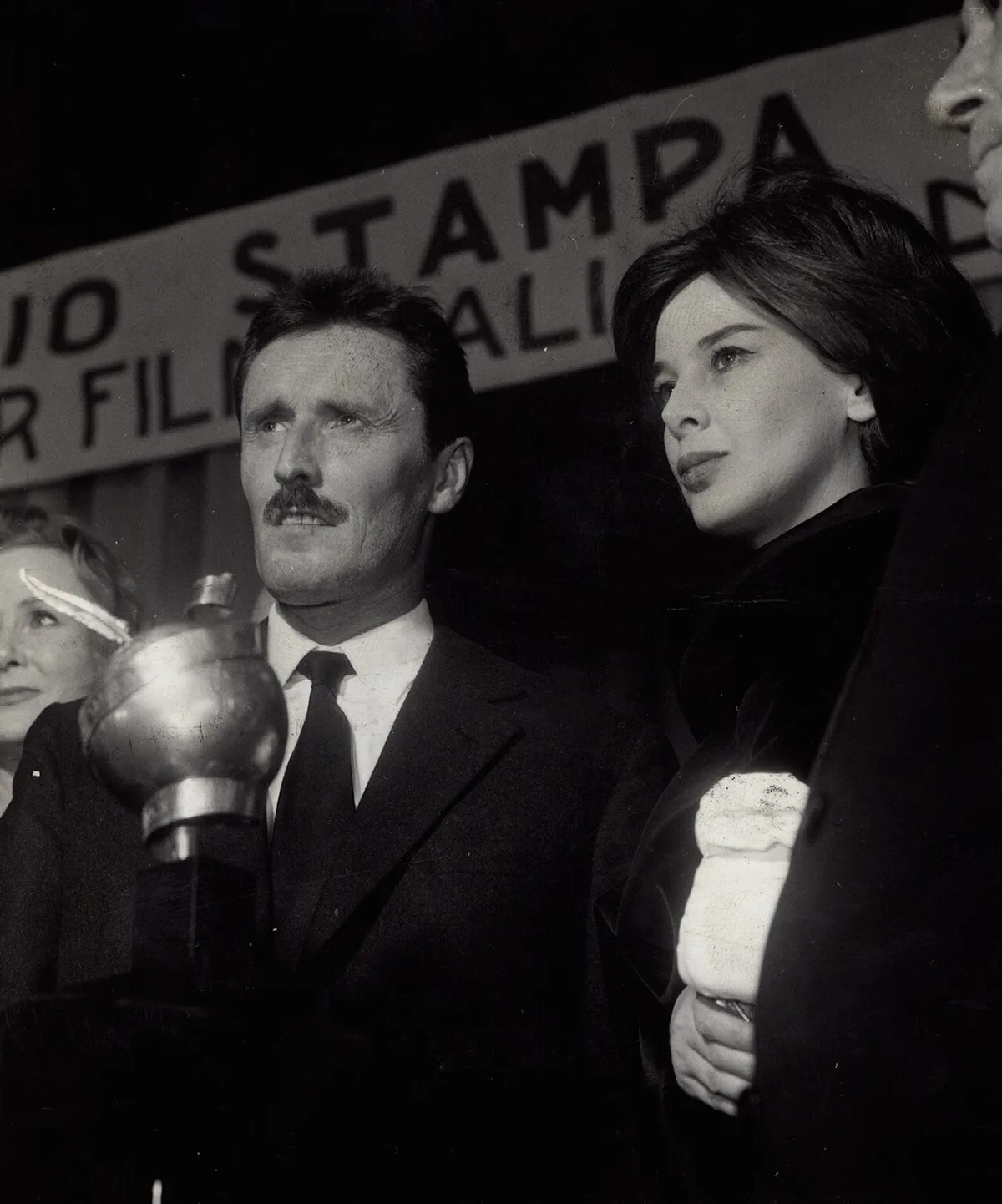
Portraits sort into three documented stocks: Kodak Portra 400 for color work it was built for in 1998, Kodak Tri-X at ISO 400 for grain with a temper, and Ilford HP5 Plus on a line dating to 1931.